Common Sunflower Farming Mistakes and How to Avoid Them
Sunflower farming success in Kenya depends on avoiding preventable mistakes: soil testing before planting determines nutrient management, proper plant spacing prevents disease and maximizes yields, and weekly pest monitoring catches problems early. Certified seeds and agronomic guidance through contract farming programs ensure farmers access the support needed to overcome these common challenges.
See everything Sunflower Africa can do for you.
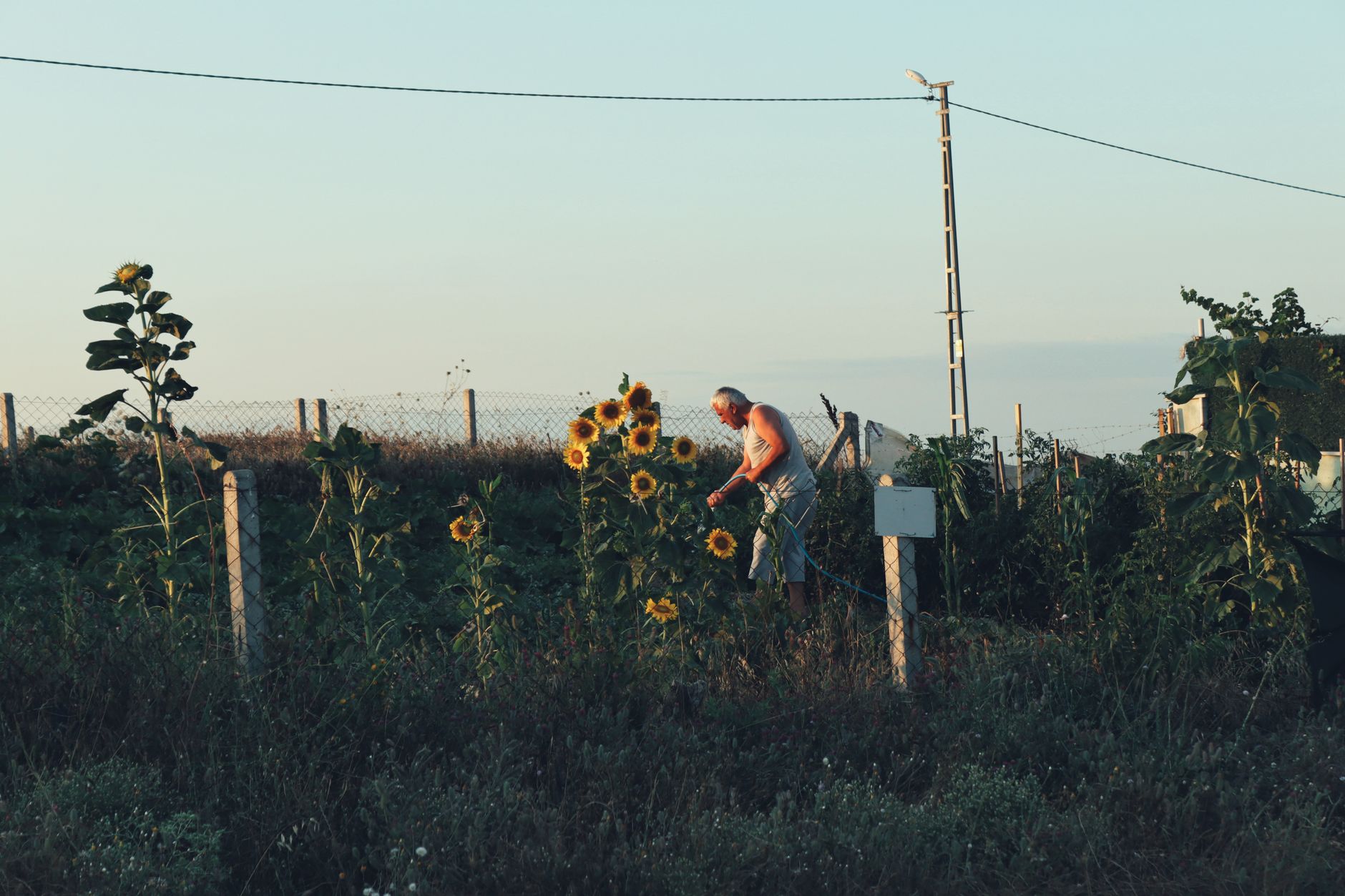
Sunflower farming in Kenya rewards farmers who pay close attention to the details, but it also punishes common oversights quickly and without mercy. Across the counties where Sunflower Africa works, from Narok to Bungoma and Busia to Tharaka Nithi, we see the same handful of mistakes cutting into yields season after season. The good news is that every one of these mistakes is preventable with the right information and the right support in place.
Poor Soil Testing Before Planting
Many farmers skip soil testing because it feels like an extra step before the real work begins, but this shortcut often costs far more than it saves. Without knowing your soil's nutrient profile, you are essentially guessing what fertilizer to apply, and wrong guesses lead to nutrient deficiencies that stunt growth from the very first weeks. A plant struggling for phosphorus or fighting excess acidity will never recover that lost potential, no matter how well you manage everything else. The cost of a soil test at a county agricultural office or a certified laboratory typically runs between KSh 500 and KSh 1,500 per sample, while a failed or underperforming harvest can wipe out an entire season's investment. Getting this right at the start is one of the highest-return decisions a sunflower farmer can make.
Sunflowers perform best in well-drained loam or sandy loam soils with a pH between 6.0 and 7.5. Soils that are too acidic, common in parts of Embu and the highlands, will lock out nutrients even when fertilizer is applied generously. Organic matter above 2 percent improves both water retention and microbial activity, which directly supports root development during the early growth stages. Poor drainage is a separate but equally serious concern, because waterlogged roots suffocate and become vulnerable to fungal infections. If your land tends to hold water after heavy rains, raised beds or proper furrows should be part of your land preparation plan before a single seed goes in.
Extension officers in most Kenyan counties can help you interpret your soil test results and recommend corrective measures that fit your budget. Lime applications to raise soil pH, for instance, work best when done at least four weeks before planting so the soil has time to stabilize. Sunflower Africa's agronomists can also walk you through soil preparation during our capacity building sessions, where we translate test results into practical action plans. Farmers who test their soil consistently across seasons begin to build a clear picture of how their land behaves over time. That accumulated knowledge becomes one of their most valuable farming assets.
Overcrowding Plants and Ignoring Spacing
Planting sunflowers too close together is one of the most common mistakes we observe during field visits, and it quietly undermines an entire crop. When plants are crowded, air circulation between them drops significantly, creating the warm and humid microclimate that fungal diseases like powdery mildew and Alternaria leaf spot thrive in. Competition for light also causes plants to grow tall and thin rather than developing the strong stems needed to support heavy seed heads. A farmer who plants densely thinking they will get more yield per acre usually ends up with the opposite result. Adequate spacing is not wasted space; it is productive space that each plant uses to reach its full potential.
For most open-pollinated sunflower varieties grown in Kenya, a row spacing of 75 centimeters and plant spacing of 30 centimeters within the row is a widely recommended starting point. Hybrid varieties with larger head sizes may benefit from slightly wider spacing to prevent canopy overlap at the flowering stage. The specific variety you plant matters here, which is one reason Sunflower Africa provides variety-specific agronomic guidance alongside certified seeds. Getting spacing right from the beginning saves you the labor of thinning later and ensures you are not wasting seed. Always confirm spacing recommendations for the specific variety you are growing before you mark your rows.
Marking rows accurately before planting is a practical step that many successful farmers have built into their routine. A simple rope or measuring stick cut to the correct inter-plant distance removes the guesswork from placing seeds in the ground. Some farmers in Bungoma and Busia use a calibrated planting string with knots tied at the correct intervals to move efficiently across large fields. This small investment of time during planting pays back every day of the growing season through better airflow, easier weeding between rows, and more uniform crop development. A well-spaced sunflower field is also far easier to scout and manage during the weeks leading up to harvest.
Delaying Pest and Disease Monitoring
Pest and disease problems in sunflower crops rarely arrive with obvious warning signs until the damage is already widespread. Aphids typically colonize the undersides of young leaves and tender growing tips first, and a colony can triple in size within a week during warm weather. Stem borers leave small entry holes near the base of the plant that are easy to miss on a casual walk-through but signal serious internal damage. Powdery mildew begins as faint white patches on older leaves and spreads rapidly when humidity rises. The only reliable way to catch these problems early enough to act is to walk your field systematically every week.
Weekly field walks do not require any expensive equipment, just a routine and an observant eye. Choose a consistent path through your field that covers different sections, including edges, which tend to be the first entry points for insects. Flip leaves over, check stems at ground level, and look at the growing tip of each plant you inspect. Keeping a simple notebook with dates and observations helps you notice when populations are building or when a disease is spreading in a particular direction. Early detection consistently gives you more response options and cheaper ones.
When intervention becomes necessary, the choice between organic and chemical treatments should be guided by the severity of the infestation and the growth stage of the crop. Neem-based sprays and insecticidal soap solutions work well for light to moderate aphid pressure early in the season. Registered chemical pesticides used at label rates are appropriate when populations reach economically damaging thresholds and organic options have proven insufficient. Avoid blanket spraying on a fixed schedule without first confirming what you are dealing with, because this approach kills beneficial insects and can accelerate resistance in pest populations. Sunflower Africa's field support teams can help farmers in our network identify what they are seeing and recommend appropriate responses for their specific county and season.
Inconsistent or Irregular Watering
Sunflowers are often described as drought-tolerant, and while they do handle dry periods better than maize, they are not immune to water stress at critical growth stages. The flowering and seed-filling stages are particularly vulnerable, and drought stress during these windows can reduce seed set by more than 40 percent. A plant that produces a beautiful large head with poorly filled seeds is the direct result of water shortage during the weeks immediately after the flowers open. Inconsistent watering that swings between dry spells and flooding confuses root development and weakens the plant's ability to recover. Understanding the crop's water needs at each stage is the foundation of good irrigation or rainwater management.
During germination and early vegetative growth, sunflowers need moderate and consistent moisture to establish strong root systems. As the plant enters the bud and flowering stage, water demand increases, and this is when supplementary irrigation adds the most value on farms that rely on rainfall alone. After pollination, as seeds develop and mature, water requirements gradually decline, and excess moisture at this point can actually cause problems with mold in the seed head. Timing your irrigation schedule to match these phases, rather than applying water on a fixed calendar basis, makes every liter count more. Farmers who track rainfall using simple rain gauges and observe their crops closely can make much more precise decisions.
Drip irrigation and simple rainwater harvesting systems are increasingly accessible for smallholder farmers across Kenya's major sunflower-growing counties. A gravity-fed drip system connected to a storage tank can deliver precise amounts of water directly to the root zone with minimal evaporation loss. Rainwater harvesting through zai pits, half-moon catchments, or farm ponds allows farmers to store water during heavy rains for use during dry spells. Signs of overwatering include yellowing lower leaves, a sour smell near the soil surface, and roots that appear brown and soft when you gently pull a seedling. Waterlogging is particularly dangerous in heavier clay soils and should be addressed immediately through improved drainage or by ridging rows to lift plants above standing water.
Using Low-Quality or Unverified Seeds
The seed you plant is the single greatest determinant of what you will harvest, and cutting corners here costs farmers more than almost any other decision in the production cycle. Non-certified seeds from informal sources tend to have highly variable germination rates, meaning you may only get 60 to 70 percent stand establishment instead of the 85 to 95 percent that certified seeds reliably deliver. Beyond germination, uncertified seeds often produce plants with uneven maturity, making it extremely difficult to harvest efficiently without losing part of your crop to over-drying or mold. Lower oil content in seeds from unknown varieties also directly reduces the market price you receive, because buyers and processors pay premiums based on oil percentage. The few hundred shillings saved on cheaper seed regularly translates into losses of several thousand shillings at the end of the season.
Certified sunflower seeds undergo rigorous testing for germination rate, genetic purity, moisture content, and freedom from seed-borne diseases before they are released for sale. Uniform maturity across a certified variety means that a farmer can time their harvest to a single pass through the field, reducing labor costs and post-harvest losses simultaneously. Higher oil content in certified varieties, often ranging from 38 to 44 percent depending on the variety, directly improves the price per kilogram when selling to processors who grade on quality. Farmers in our network consistently report that switching to certified seeds, even at a higher upfront cost, is the change that made the biggest difference in their seasonal income. The predictability of a certified variety also makes planning and budgeting far more straightforward from one season to the next.
Sunflower Africa sources its certified seeds from verified breeding programs and KEBS-certified suppliers, and each seed lot comes with documentation that farmers can request and review. Our agronomists verify seed quality at the point of distribution and provide traceability so that if any issue arises during the growing season, we can trace it back to the source. We strongly caution farmers against purchasing seeds from roadside traders or informal markets, even when the packaging looks similar to certified products, because counterfeiting is a known problem in the Kenyan seed market. If you are ever uncertain whether a seed source is legitimate, you can reach out to our teams in any of our county offices before you buy. Protecting your season starts with protecting your seed supply.
Harvesting at the Wrong Time
Harvesting too early is just as damaging as harvesting too late, and both mistakes reduce the value of the crop you have worked an entire season to grow. Premature harvest means seeds have not reached their maximum oil content, which directly lowers the price processors are willing to pay and can make the seed unfit for planting in the next season. Late harvest, on the other hand, exposes dry seed heads to birds, wind shatter, and mold if any late-season rains arrive. Timing is not something you guess; it is something you observe carefully using clear visual and physical indicators that are consistent across most Kenyan sunflower varieties. Getting this one decision right protects everything that came before it.
The most reliable indicator of harvest readiness is the back of the seed head turning from green to a dry yellow-brown or tan color, while the bracts surrounding the head become papery and dry. At this stage, the seeds themselves should be firm and filled when you press them with your thumbnail, and the moisture content of the seed should be approaching 20 percent or below for field harvest. In higher-altitude counties like Tharaka Nithi and Embu, where morning mists and cooler temperatures are common, maturity can come slightly later in the season than in the warmer lowland areas of Busia or Narok. Developing a habit of checking several heads across different parts of your field gives you a more accurate picture than checking just one or two plants at the edge. If in doubt, a moisture meter borrowed from your local cooperative or Sunflower Africa field officer is a fast and definitive tool.
After harvest, proper drying is essential to prevent the mold and aflatoxin contamination that can render an entire batch unmarketable. Seeds should be dried on clean raised drying platforms or tarpaulins off the ground, in direct sunlight, with the seed spread in thin layers and turned regularly throughout the day. Target a final moisture content of 9 to 10 percent before bagging for storage or delivery, as anything above this invites mold during storage. Storage bags should be clean, dry, and kept off the ground in a well-ventilated space away from direct sunlight and moisture. Clean harvesting practices, including removing excess plant debris from harvested seeds, also affect the grade you receive at market, and cleaner lots consistently attract better prices through Sunflower Africa's guaranteed market system.
Every mistake covered in this post is one that farmers across our network have already worked through and learned from, which means you do not have to repeat those experiences yourself. Soil testing, correct spacing, consistent scouting, smart water management, certified seeds, and well-timed harvest are the six pillars that separate an average sunflower season from a profitable one. If you want practical support putting any of this into practice, our teams are present in your county and ready to walk your farm with you.
See everything Sunflower Africa can do for you.
Visit Sunflower Africa →