How Sunflower Farm Gate Prices Are Set in Kenya
Standing at your farm gate watching a buyer weigh your sunflower crop, not knowing whether the price offered is fair, costs you real money season after season. The sunflower farm gate price Kenya farmers receive depends on specific, learnable factors including seed grade, oil content, market timing, and the type of buyer across the table. Knowing those factors before harvest gives you the position to negotiate with confidence and get what your crop is worth.
See everything Sunflower Africa can do for you.
If you have ever stood at the edge of your farm watching a buyer weigh your sunflower and wondered whether the price offered is fair, you are asking exactly the right question. The sunflower farm gate price kenya farmers receive is not random, even though it can feel that way from season to season. Several specific, learnable factors shape every offer a buyer makes, and understanding those factors puts you in a much stronger position during every sale. Many farmers lose real money not because their crop is poor but because they lack the information to push back on a low offer. This post walks through what actually drives the price you receive at your farm gate, and what practical steps you can take to protect your income season after season. For a broader look at sunflower prices kenya farmers face across different seasons and markets, the pillar resource connected to this blog covers the full picture in detail.
What Determines Your Sunflower Farm Gate Price
The farm gate price is the amount you receive when a buyer comes directly to your farm, or to a nearby collection point, before your produce travels anywhere else in the supply chain. Because transport, handling, and processing costs have not yet been added, this price is almost always lower than what the same sunflower fetches at a depot or processing facility, which means every factor that influences buyer behavior at your farm matters enormously. Seed quality, moisture content, and cleanliness are the three physical characteristics buyers examine first, and they use these to assign your harvest to a grade before they quote a number. Beyond the physical characteristics, broader market conditions including how much sunflower is available in the region at that moment shape how eager or reluctant a buyer feels about paying a good rate. The type of buyer standing in front of you, whether a local trader, an oil processor, or a contract partner, also determines the ceiling on what they are willing to offer. Knowing these layers of influence helps you judge every offer on its merits rather than simply accepting the first number you hear.
Seed Quality and Grade: The Primary Price Driver
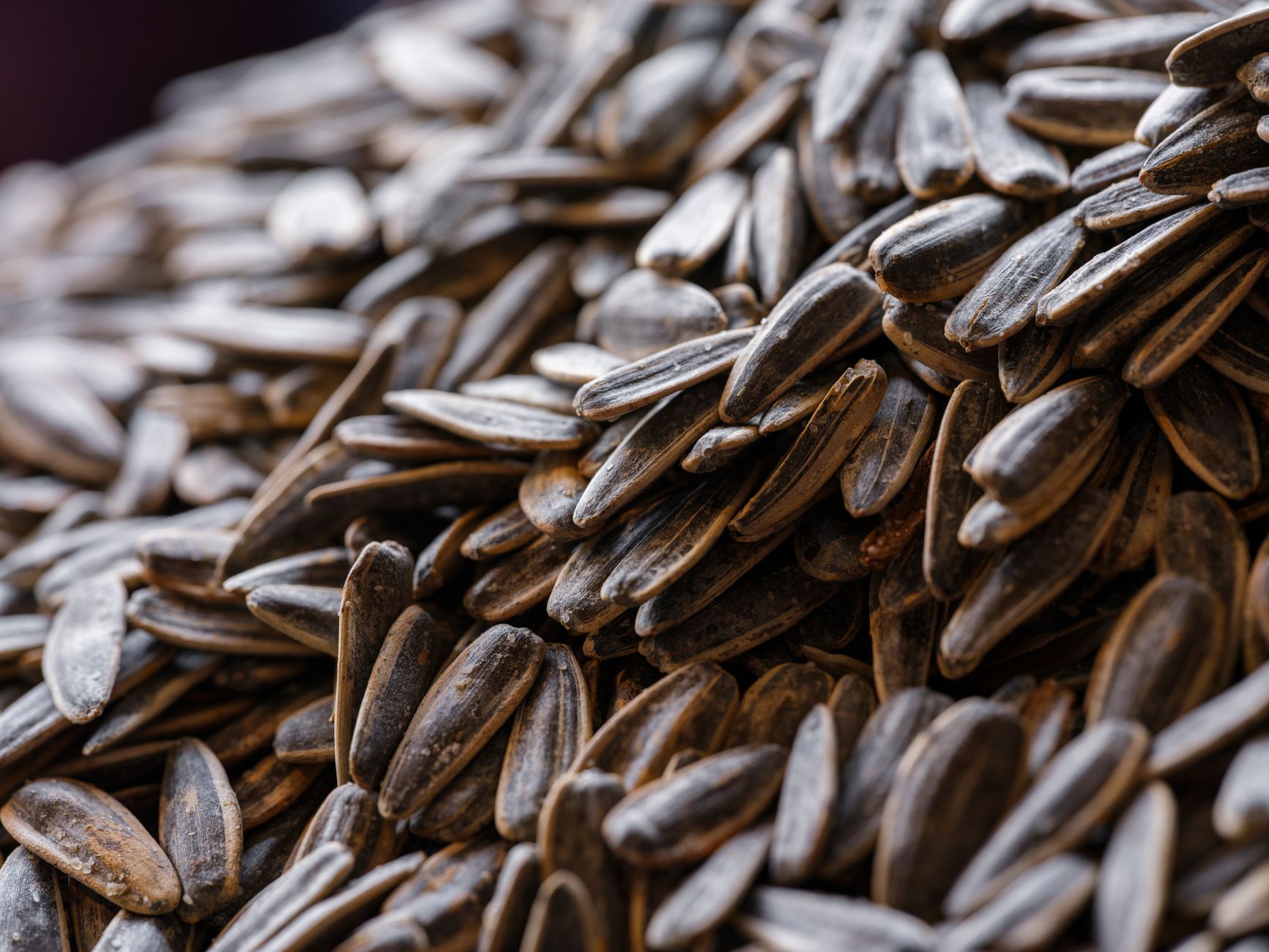
When a buyer arrives at your farm, the first thing they assess is seed quality, and they do this using four criteria: size, color, visible damage, and foreign matter such as soil, sticks, or other seeds. A clean, uniform batch of large, well-filled seeds signals high oil content, and high oil content is what processors actually pay for because it determines how much finished oil one tonne of seed will produce. Moisture content is particularly important because the sunflower farm gate price kenya buyers quote drops noticeably when moisture rises above 12 percent. Wetter seed not only weighs more water than actual grain, meaning you are effectively selling water at sunflower prices, but it also spoils faster in storage, which increases the buyer's risk and cost. Seeds with visible pest damage, mold spots, or broken kernels fall into lower grades that typically receive price cuts of 10 to 20 percent compared to premium grade produce. Farmers who plant certified varieties from reputable sources tend to achieve more consistent size and oil content, which keeps their seed in the premium or near-premium grade more reliably than unimproved local varieties.
Improving Your Grade Before the Buyer Arrives
You do not need to wait for the buyer to determine your grade, because there are practical steps you can take in the days between threshing and sale. Cleaning your seed by removing broken kernels, dust, and foreign matter through simple sieving costs very little time and can move your batch from a lower grade into a better one. Drying your seed properly to reach moisture content at or below 12 percent before sale is one of the highest-return activities you can carry out in the post-harvest window. Using a moisture meter, which many extension offices and agro-dealers in sunflower-growing counties can loan or rent, lets you confirm your seed is within the acceptable range before any buyer arrives. Farmers who invest a few days in proper drying and cleaning consistently report receiving better prices than neighbours who sell immediately after threshing, making this a simple habit worth building into every season.
Oil Content and Variety Choice
The variety of sunflower you plant determines your oil content ceiling, and oil content is the single most important factor in how processors value your seed across the entire supply chain. High-yielding hybrid varieties certified for use in Kenya typically contain between 40 and 48 percent oil, while unimproved local varieties often fall below 35 percent, a difference that buyers factor directly into their offers. Processors need to know how many litres of oil they can extract per tonne of seed they purchase, so a batch with proven high oil content commands a meaningful premium because it reduces their cost per litre of finished product. You cannot change your variety once the crop is in the ground, which is why choosing certified seed at planting time is the most impactful pricing decision you make each season. Seed sold under a well-known certified label also reassures the buyer about consistency, because a batch of mixed or unverified variety creates uncertainty about how it will perform during processing. Planning your variety choice in consultation with your extension officer or a reputable agro-dealer each season is one of the simplest ways to protect your farm gate returns before the first seed goes into the soil.
Market Timing, Seasonal Supply Pressure, and the Sunflower Farm Gate Price Kenya Farmers Receive
The quantity of sunflower available in the market at any given moment is one of the most powerful forces pushing prices up or down. When farmers across a region all harvest within the same few weeks, buyers find themselves with more supply than they need, and that comfort allows them to offer lower prices and wait for sellers to accept. Farmers who sell immediately after harvest, often out of urgency to clear storage space or settle debts, typically receive 5 to 15 percent less than those who can hold their seed for two to three months. As the season progresses and on-farm stocks thin out, buyers who still need sunflower to keep their processing lines running become willing to pay more. Kenya's sunflower is grown across regions with different seasonal calendars, including Narok, Bungoma, Busia, Tharaka Nithi, and Embu, and understanding when each of these regions typically brings its crop to market helps you identify the windows when supply is tightest nationally. Oil processors and exporters plan their purchases across the year, so demand from these buyers does not simply disappear after harvest season, and the farmers positioned to sell during quieter periods often capture the better rates.
Planning Your Selling Window
Knowing the typical harvest calendar for your region and the two or three neighbouring counties gives you a simple framework for deciding when to sell. If you can carry clean, dry seed safely for six to eight weeks past your local harvest peak, you move into a window where regional supply has thinned and buyers are actively seeking stock. Safe storage requires clean, dry, well-ventilated bags or containers, protection from direct moisture, and regular checks for signs of mold or pest activity. Farmers who invest in a basic raised storage platform and properly sealed bags lose very little quality over this period, and the price premium they achieve more than covers the modest cost of those materials. Combining good storage habits with an understanding of regional seasonal patterns is one of the most reliable ways a smallholder can improve their net income without changing anything about how they grow their crop.
Buyer Type and Direct Relationships Impact Your Rate
Not all buyers are equal, and the type of buyer you sell to has a direct effect on the price you receive for identical quality seed. A local trader or middleman who collects from multiple small farms pays less than the market ceiling because they need to build in their own margin before selling your sunflower on to a processor or exporter. Oil processors and exporters who buy directly from farmers remove that middleman layer, and the saving they make on the trader's margin is often shared with the farmer in the form of 10 to 20 percent higher prices. Buyers who offer guaranteed contracts before the planting season lock in a floor price, which removes the anxiety of not knowing what your harvest will earn, though the agreed rate may occasionally be slightly below the very best seasonal peak price. Farmers who build lasting relationships with established buyers over multiple seasons benefit in ways that go beyond price, including advance information about what grades are in demand, early warnings about market changes, and priority collection when transport is limited. Selling to a single buyer with no alternative gives that buyer leverage to push your price down, which is why maintaining relationships with more than one serious buyer is a genuine income protection strategy.
Transportation, Storage, and Delivery Costs
The question of who bears transport costs has a direct effect on your actual net earnings, even when the quoted price looks reasonable on paper. If you must hire a vehicle and deliver your seed to a buyer's depot or processing facility, those transport costs come straight out of your pocket, reducing what you actually keep from the sale. When a buyer sends their own vehicle to collect from your farm, the quoted price often appears slightly lower, but your net return after costs may be equal or better because you have saved the delivery expense entirely. Storage costs also deserve careful attention because holding seed for more than one or two months without proper facilities risks deterioration in quality, which pushes your batch down a grade and reduces the price you can achieve even in a favourable market. Packaging matters too, because seed delivered in clean, properly sealed bags creates a better first impression than loose or dirty sacking, and buyers do factor perceived care into their willingness to pay. Processing facilities located closer to certain farming regions reduce the buyer's own handling costs, which occasionally translates into marginally better prices offered to farms in those areas.
Collective Selling and Group Bargaining Power
One of the most effective ways smallholder farmers improve their position in price negotiations is by selling as part of an organised group rather than individually. A single farmer offering two to five bags of sunflower has very little leverage because the buyer can simply walk to the next farm if the seller refuses a low offer. A group of 20 to 50 farmers presenting a combined volume of several tonnes gives processors and exporters a genuine incentive to offer more competitive rates, because losing that volume is a meaningful supply risk for their operations. Farmer groups and cooperatives in Kenya's sunflower-growing counties have used collective selling to achieve price premiums of 8 to 18 percent above what individual members received before they organised. Beyond the price benefit, group selling reduces transport costs per farmer, simplifies grading because the whole consignment is treated as a single batch, and creates a recorded transaction history that can support access to agricultural credit. If you are not already part of a farmer group in your area, approaching your local agricultural extension officer is the fastest way to identify existing groups or find others who share your interest in forming one.
How to Negotiate and Protect Your Sunflower Prices
Negotiation starts well before the buyer arrives, with the information you have gathered in advance about what prices others in your area are receiving. Always approach a sale with at least two independent quotes so you can compare offers and use a competing offer as a genuine reference point rather than a bluff. Knowing the current rates that other farmers are receiving, through conversations with neighbouring growers and visits to your local agricultural extension officer, gives you a factual foundation for every conversation. Ask any buyer to grade your seed on your farm, in your presence, so you can see precisely which characteristics they are using to justify their offered price and where you have room to dispute or improve. Keep a written record of the prices you have received each season, including the buyer, the grade assigned, and the date, so you quickly recognise when a new offer falls below your established normal range. Farmers who approach price conversations with documented records and competing quotes consistently achieve better outcomes than those who rely on memory alone, because the evidence removes ambiguity from the negotiation.
Record Keeping as a Pricing Tool
Maintaining simple written records across two or three seasons gives you a personal price history that most buyers will never expect you to have, and that information is genuinely powerful during negotiations. A basic notebook recording the date of sale, the buyer's name, the grade assigned, the moisture content at sale, and the price per kilogram costs nothing and takes five minutes after each transaction. Over time this record reveals patterns, including which buyers consistently offer fair rates, which months tend to produce the best prices, and how changes in grade affect the price you receive. Farmers who share their records within a group or cooperative create a combined dataset that is even more useful, because it shows how prices vary across different buyers approaching the same community. Your records also serve as evidence if a buyer disputes a grade or a previously agreed price, giving you a factual basis for the conversation rather than a memory-based argument. Starting this habit now, even mid-season, gives you a foundation to build on before the next selling window arrives.
Understanding how the sunflower farm gate price kenya buyers quote is actually built gives you the ability to respond to it intelligently rather than simply accepting whatever number is offered first. Every factor covered here, from seed moisture and grade to timing, buyer relationships, transport costs, and group bargaining, is something you can actively influence with planning and preparation. Farmers who approach each season with this knowledge consistently earn more from the same land and the same crop than those who do not. The difference between a good season and a disappointing one is often less about rainfall or soil and more about the decisions made between harvest and sale. At Sunflower Africa, our contract farming model is built around removing the uncertainty from this entire process, offering certified seed, capacity building, and direct market access so that the price you receive reflects the true value of your work. If you want to know more about working with us directly, or if you want help preparing your crop for premium grade pricing, reach out to our nearest county office and start the conversation before the next planting season begins.
See everything Sunflower Africa can do for you.
Visit Sunflower Africa →