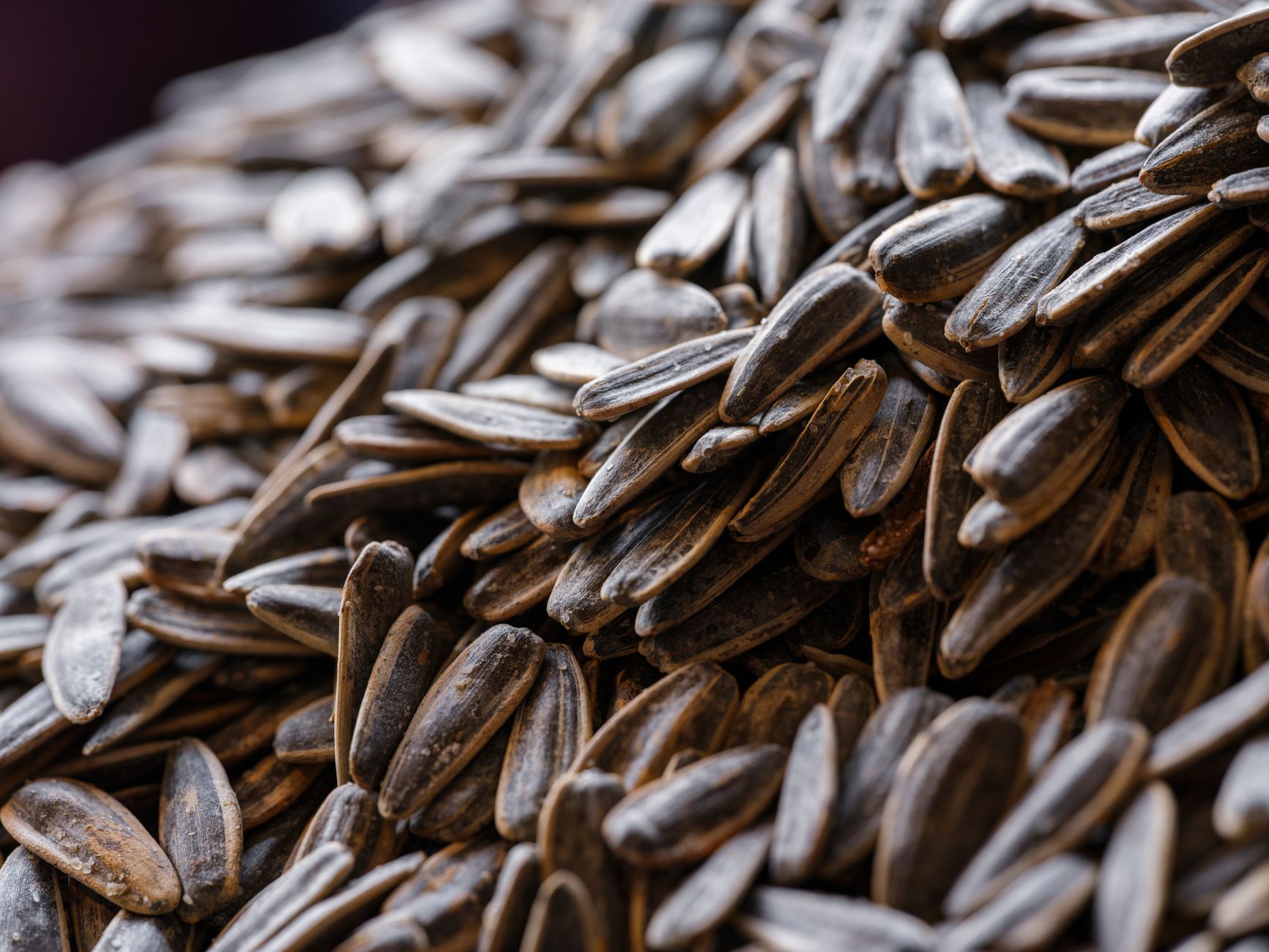
Post-Harvest Sunflower Storage: Keeping Quality Until Sale
If you grow sunflowers in Kenya, the work does not stop at harvest. How you handle your seed in the weeks and months after cutting down the crop will determine how much money you actually take home at the end of the season. Good storage practices are learnable and affordable, and they make a real difference to the quality buyers see when you show up to sell.
Why Post-Harvest Storage Matters for Your Bottom Line
Every grade drop in your sunflower seed is a price drop at the point of sale. Buyers assess oil content, moisture levels, and the presence of mold or pest damage before they make any offer, and a visibly compromised batch will attract the lowest end of the market price. Beyond the immediate sale, seed that was stored carelessly loses viability, which matters if any portion is destined for replanting next season. Moisture and warmth together create the exact conditions that mold needs to spread through a sack in just a few days. Pest damage works quietly in the background, hollowing out seeds so that your tonnage looks fine in the bag but weighs and tests poorly on a buyer's scale. Taking storage seriously is not extra work on top of farming; it is the final step that protects everything you already put into the season.
Proper storage also gives you something that careless storage never can: time. When your seed is stable and dry, you are not forced to sell the moment prices dip right after a communal harvest, when supply is high and buyers know it. Holding quality grain for even four to six weeks can allow you to reach a more favorable price point. For farmers who work with certified seed varieties, this window matters even more. Certified seeds that are improperly stored lose the characteristics that gave them certification value in the first place, and no buyer will pay a premium for seed that has been exposed to moisture, pests, or contamination. Protecting your stored crop is, in direct terms, protecting your income.
Drying Your Sunflower Crop the Right Way
Before any seed goes into a storage facility, it needs to reach a moisture content of between eight and ten percent. Seed stored above that threshold is at serious risk of mold growth, heating, and quality deterioration within just a few weeks. Testing moisture content does not require expensive equipment; affordable handheld moisture meters are available in most agrovet shops across the country and are worth every shilling you spend on one. Consistent checks as you dry will tell you exactly when your crop is ready to move indoors safely. Rushing this step is one of the most common and most expensive mistakes a sunflower farmer can make.
In drier parts of the country like Narok, sun-drying on clean tarpaulins spread across a flat surface works well and costs very little. The key is to lay seed in a thin, even layer and turn it every few hours so that drying is uniform rather than creating a dry crust over a damp core. Spread the grain out of direct contact with bare soil, which can reintroduce moisture from below, and bring it under cover quickly if clouds roll in. Threshed seed left wet overnight in a pile is a shortcut to mold. In areas with reliable sunshine and low humidity, this method can bring seed from field moisture to storage-ready in two to four days.
In the higher-humidity counties along the western corridor, including Bungoma and Busia, open sun-drying can be unreliable because ambient air moisture is absorbed back into the seed almost as fast as the sun pulls it out. Shade-drying with strong air circulation through a well-ventilated space is a better approach, and mechanical dryers, while an upfront cost, pay for themselves quickly when you consider how much spoilage they prevent. Whichever method you use, watch out for over-drying as well. Seed that drops below six percent moisture becomes brittle, cracks more easily during handling, and actually loses weight, meaning you are selling less per bag than you harvested.
Choosing and Preparing Storage Facilities
Your storage facility does not need to be elaborate, but it does need to be dry, clean, and off the ground. Placing bags or containers directly on a concrete floor allows moisture to wick upward through the sacking, especially during cool nights or rainy periods. Wooden pallets or elevated shelving lift your stored seed above that risk and also improve air circulation around the bottom of each bag. Even a simple structure with good airflow through ventilation gaps near the roof will outperform a sealed, humid room that traps moisture. Think of the store not as a place to leave seed and forget it, but as an environment you are actively managing.
Before you fill any storage facility, take time to inspect and prepare it properly. Sweep out all old grain, dust, and debris from previous seasons because leftover material harbors insects and fungal spores. Check the roof for any leaks and repair them before your new crop goes in, since a single patch of wet bags from one rainstorm can ruin the surrounding stock through contact moisture. Block any gaps or holes in the walls where rodents can enter, and remove old grain sacks that might be sheltering weevils. A clean, sealed store is your first line of defense against the pest and mold pressure that builds quickly once seed is inside.
In humid counties, add a layer of plastic sheeting under your bags or containers to create a physical barrier between the floor and your seed. You do not need a purpose-built warehouse; a well-prepared room in a permanent structure, with active attention to ventilation and cleanliness, will serve most smallholder farmers well. The goal is to maintain stable, dry conditions throughout the entire storage period, not just on the day you move seed in.
Monitoring and Protecting Stored Seed
Storing your seed and then ignoring it for three months is a reliable way to discover a disaster too late to do anything about it. Check your stored sunflower every two to three weeks, probing into the center of bags and noting whether the grain feels warm to the touch or smells musty. Warm spots within a batch almost always signal either pest activity or moisture accumulation, and both problems spread outward from that warm center if left unchecked. Catching an issue in one or two bags and addressing it immediately is far less costly than finding it has spread to a quarter of your store. Consistent monitoring takes maybe an hour every few weeks and protects months of effort.
The containers you choose also affect how well your seed holds its condition. In drier areas with stable humidity, breathable jute bags allow air movement that prevents the buildup of heat and gases from the grain itself. In humid counties, sealed plastic containers or airtight drums reduce the amount of ambient moisture the seed can absorb from the surrounding air. Whatever container type you use, keep your stored seed completely separate from chemicals, pesticides, and fertilizers, because seed absorbs odors and compounds easily and even a faint chemical taint can make a batch unsaleable to cautious buyers. Good physical separation is a simple rule that carries real consequences when ignored.
If any portion of your stored crop is certified seed, documentation becomes part of your storage practice. Record the date you moved seed into storage, the moisture reading at that point, the container types used, and any treatments applied. This kind of paper trail supports traceability and gives buyers confidence in the quality of what you are offering. At Sunflower Africa, we support farmers in keeping these records as part of our capacity building work, because traceability adds value at every point in the supply chain.
Pest and Disease Prevention During Storage
Weevils and grain moths can move through a storage facility faster than most farmers expect, especially when temperatures are warm and the seed is slightly above safe moisture levels. Inspect every batch you check for the telltale signs: fine dust inside bags, webbing, small holes in individual seeds, or visible insects when you scoop into the grain. Early detection is the difference between treating a limited problem and losing a significant portion of your stock. Set aside time during each monitoring visit to look carefully rather than just feel the surface of a bag. A torch and a flat surface to pour a small sample onto will show you quickly whether anything is moving in there.
Non-chemical methods of pest management are worth trying first, particularly if your seed is intended for food or replanting use where chemical residues are a concern. Neem leaves placed inside storage bags are a traditional and practical deterrent that slows insect colonization. Lime powder scattered on the floor around storage areas discourages crawling pests from crossing into the space. Keeping the store as cool as possible, ideally below twenty degrees Celsius, slows the reproduction rate of insects significantly and buys you time even if a small number of pests are present. Good airflow and a clean environment do more combined pest control work than people give them credit for.
When you do find moldy or visibly damaged seed during your inspections, remove it from the store immediately and do not let it sit in a corner of the same room. Mold spreads through spores that travel through air, and a handful of moldy seed left nearby can reinfect clean bags you worked hard to protect. Dispose of damaged material away from the storage area and check the surrounding bags carefully for early signs of spread.
Getting the Most Value When You're Ready to Sell
Buyers who work with sunflower producers regularly can tell within moments of inspecting a batch whether the farmer took post-harvest care seriously. Clean, dry, well-presented seed with a consistent moisture level and no pest damage signals a professional grower who will be worth buying from again at a fair price. Sloppy storage results in the kind of batch that gets quoted a low price on the spot, leaving farmers with the choice of accepting poor terms or hauling the grain back home. The quality you protect in your store is the quality that earns you a better number at the point of sale.
One of the real advantages of working with sunflower contract farming in kenya is that you do not have to sell under pressure. When your seed is stored correctly and you have a guaranteed market waiting, you control your timing rather than reacting to whoever shows up at your gate first. Rushed sales almost always favor buyers over sellers, and farmers who have already done the hard work of a good season deserve better than that. Holding peak-quality grain until the moment is right is a strategy, not just patience.
Our multi-county network across Narok, Bungoma, Busia, Tharaka Nithi, Embu, and beyond means that fair pricing is communicated across all regions, and no farmer in our network is working in the dark about what their crop is worth. Proper documentation of your storage conditions, including the dates, moisture readings, and treatments recorded during monitoring, also strengthens your negotiating position. A buyer looking at well-documented, clean, dry sunflower seed from a farmer with a clear record of care is looking at a transaction they want to complete at a good price.
The work of post-harvest storage is mostly about consistency: drying to the right moisture level, preparing a clean facility, checking in regularly, and acting quickly when anything looks off. Farmers who build these habits into their routine season after season find that they spend less time dealing with emergencies and more time selling good grain at prices that reflect their effort. If you want support putting these practices in place, our teams on the ground across multiple counties are ready to help you get it right.