Sunflower Contract Farming Agreement Kenya: Clauses to Check
Learn the essential clauses to verify before signing a sunflower contract farming agreement in Kenya so you protect your harvest and income.
See everything Sunflower Africa can do for you.
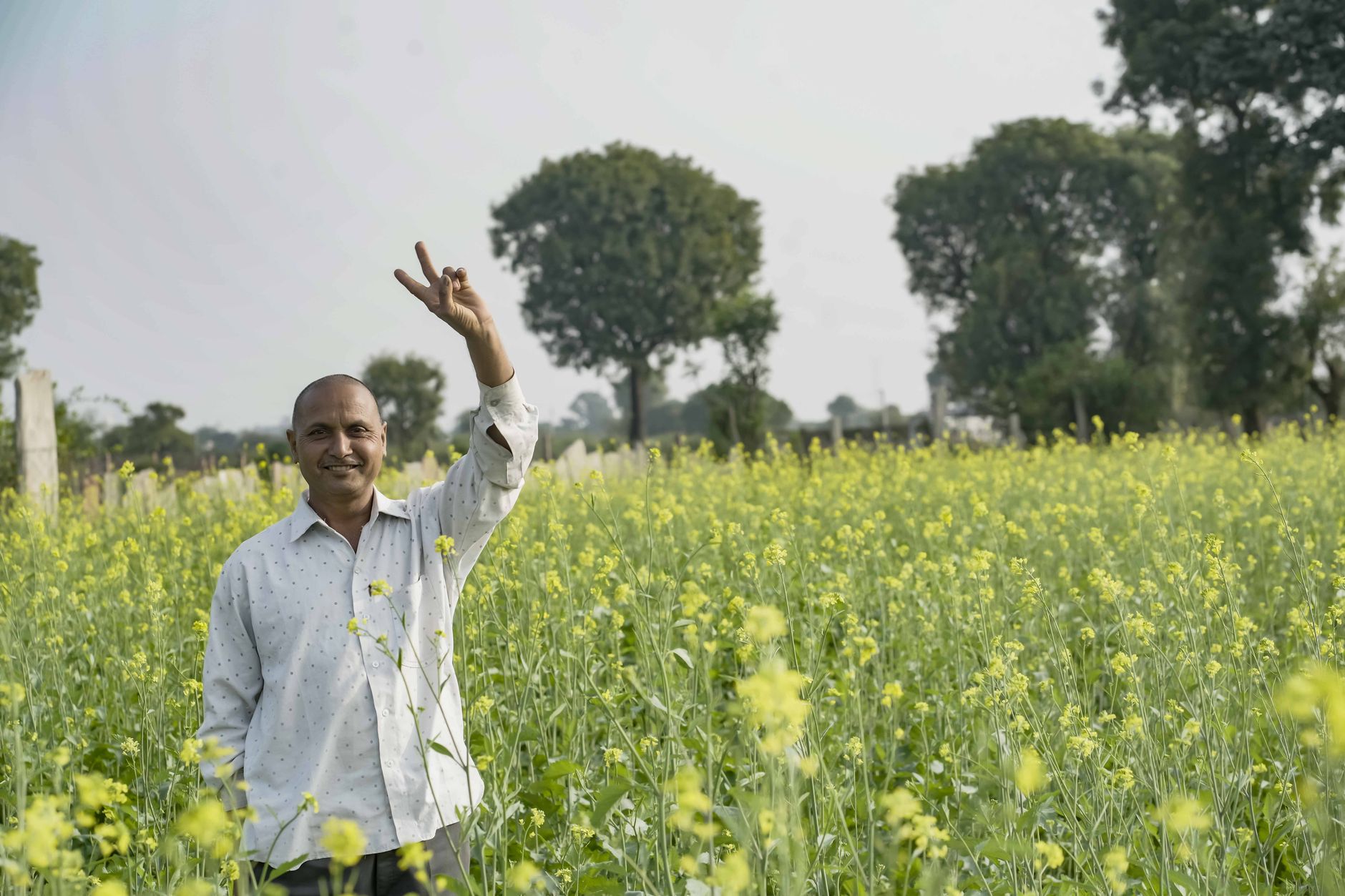
Signing a piece of paper before the planting season might feel like a formality, but a sunflower contract farming agreement kenya gives you something that no informal handshake can: a written record of exactly what each party owes the other. Farmers who understand their agreements before they put seed in the ground are far better placed to protect their income when harvest time comes. Reading and verifying every clause is not about distrust; it is about running your farm as a real business. As part of the wider world of sunflower contract farming kenya, written agreements are the foundation that makes guaranteed market access meaningful rather than just a promise. This post walks you through the specific clauses to look for, the questions to ask, and the red flags that should make you pause before you commit.
Why Reading Your Sunflower Contract Farming Agreement Matters
A signed contract fixes your selling price before you spend a single shilling on inputs, and that certainty changes how you plan your whole season. When you know what you will earn per kilogram, you can calculate whether the venture makes financial sense before you plant rather than hoping for the best after harvest. Clear, written terms also prevent the arguments that arise when a buyer says your grain is too wet or your delivery is short, because both sides already agreed on the standard in advance. Many smallholder farmers across Narok, Bungoma, Busia, and other counties have been caught without a written agreement and found themselves bargaining from a very weak position at the collection point. Taking one afternoon to sit with your agreement and go through it line by line is genuinely one of the highest-value activities you can do before the rains begin. A contract also signals that the buyer is serious about the relationship, and that alone tells you something important about who you are doing business with.
What the Price Clause Must Tell You
The price clause is the heart of any sunflower contract farming agreement, and the first thing you need to establish is whether the price is fixed or variable. A fixed price per kilogram gives you reliable income projections; a price that fluctuates with market conditions at harvest time carries the same uncertainty you were trying to escape by entering a contract in the first place. Confirm the exact payment timeline: some buyers pay at the point of delivery, others pay within a set number of days, and some do not release funds until they have processed or resold your sunflower, which can leave you waiting for months. Look carefully for any listed deductions, particularly those tied to moisture content, discolouration, or foreign material in your batch, because these can quietly reduce your actual payment well below the headline figure. Verify that the stated price genuinely covers your cost of production, including seeds, fertilizer, labour, and transport, and still leaves a meaningful profit for your household. Also confirm whether the price is denominated clearly in Kenyan shillings and whether transport to the buyer's facility is your cost or theirs, because that single detail can swing your net income significantly.
When Prices Are Tied to Moisture or Grade
Some contracts list a base price and then apply deductions for grain that arrives above a certain moisture threshold or below a minimum oil content. You need to read those deduction tables carefully and calculate what your realistic payment would be under normal conditions for your area, not just under ideal ones. If late rains are common in your county, arriving at nine percent moisture every season may require additional drying cost and time that the base price does not account for. A fair contract acknowledges regional variation and either builds in a reasonable tolerance or provides guidance on drying support. Ask the buyer directly whether there is a premium available for grain that exceeds the minimum standard, because that information tells you whether quality improvement will actually reward you financially.
Seed Supply and Input Responsibility Clauses
Before you plant, you need to know exactly where your seeds are coming from and who is paying for everything that goes into growing the crop. Some contracts include KEBS-certified sunflower seeds as part of the agreement, supplied by the buyer, while others expect you to source seeds independently from an approved supplier listed by name. If the buyer provides seeds, read the clause carefully to find out whether the seed cost will be deducted from your eventual payment or whether it is supplied as part of the partnership at no charge to you. The same logic applies to fertilizer and crop protection products: confirm in writing who bears those costs and whether you are required to use only inputs that the buyer has approved or recommended. Restricting you to specific input brands is not necessarily unfair, but you need to know this upfront so you can budget accurately and avoid using something that later voids your contract. You should also check what remedy is available if certified seeds supplied by the buyer fail to germinate properly, because that risk should not sit entirely on your shoulders when the buyer chose and delivered the seed.
Supplier Approval Lists and What They Mean
Some agreements include a schedule of approved input suppliers or specific product brands you must use throughout the season. This kind of schedule can actually work in your favour if it steers you toward quality inputs, but it becomes a problem if the approved suppliers are not accessible in your county or if their prices are significantly higher than alternatives you already trust. Before signing, verify that at least one approved supplier operates within a reasonable distance of your farm. If none do, raise this with the buyer and ask whether the schedule can be amended or whether delivery can be arranged at no extra cost to you. A buyer who is unwilling to discuss this point at the agreement stage is giving you useful information about how flexible they will be when problems arise during the actual season.
Clauses That Define Your Sunflower Contract Farming Agreement Kenya Obligations
Every sunflower contract farming agreement kenya places obligations on both parties, and you need to read yours carefully to understand what you are personally required to deliver beyond just the grain itself. Many agreements specify land preparation timelines, approved planting dates, required spacing between plants, and mandatory harvesting windows, and missing any of these can be treated as a breach even if your crop quality is excellent. Check whether there are financial penalties attached to late deliveries or missed milestones, and quantify those penalties so you can assess how they affect your income if something genuinely goes wrong. The clause covering crop failure deserves particular attention: drought, disease outbreaks, and pest pressure can devastate a season through no fault of your own, and you need to know whether the contract gives you any protection in those circumstances or simply leaves you liable for non-delivery. Confirm what support, if any, the buyer is contractually obliged to provide if problems arise mid-season, whether that is agronomic advice, emergency inputs, or referrals to an extension officer. You should also verify whether you are permitted to sell any surplus production outside the agreement or whether the contract requires you to channel every kilogram of sunflower you grow exclusively through the buyer, as this shapes your entire farm plan for the season.
What Happens if the Buyer Cannot Collect
Obligations run in both directions, and a well-written contract will also describe what happens if the buyer fails to collect your grain on the agreed date or cancels a collection without adequate notice. Grain left in storage too long can deteriorate, which means a buyer's delay can cost you money even if your crop was perfect. The contract should specify a remedy for this scenario, whether that is a storage allowance, a revised collection date with written notice, or compensation for documented losses. If the contract is silent on the buyer's obligations at collection time, ask for that language to be added before you sign. A buyer who objects to including their own obligations alongside yours is giving you a clear signal about the balance of power they expect in the relationship.
Yield Expectations and Quality Standards
A contract that sets an unrealistic yield target for your specific soil type and rainfall pattern is setting you up to fail from the start. Yield expectations should reflect what farmers in your region genuinely achieve under normal growing conditions, not figures copied from high-potential research plots that bear no resemblance to rain-fed smallholder farming in your county. The moisture content requirement is equally important: most buyers in Kenya require sunflower to arrive at between eight and ten percent moisture, and if your area receives late rains, meeting that standard may require additional drying time and cost you need to plan for. Check the exact definitions of what constitutes a rejected seed, whether that means mould, discolouration, immature seeds, or excessive foreign material, so you know precisely what quality you are aiming for during harvest and storage. Find out whether a partial harvest that meets the quality standard will be purchased or whether the buyer can reject your entire delivery if the overall batch falls short of a minimum volume. Understanding how quality disputes are settled is just as important as understanding the quality standard itself, so look for a process that is clear, accessible, and does not simply give the buyer the final word on every disagreement.
Drying and Storage Before Delivery
If your sunflower arrives at a collection point above the agreed moisture threshold, the buyer may reject it or apply a significant price deduction. Knowing this in advance means you should plan storage and drying into your post-harvest budget, not treat it as an afterthought. Find out whether the contract specifies a drying method or whether you are free to use any approach that achieves the required result. Some buyers provide access to a communal drying facility or connect farmers with cooperatives that have the equipment, and if that option exists, it should be named clearly in the agreement or in an attached schedule. If you are responsible for drying entirely on your own, factor that cost into your income calculation the same way you would factor in transport.
Dispute Resolution and Contract Length
Understanding how long your commitment lasts and how you can exit an agreement is just as important as understanding the price you will receive. Some contracts run for a single season and are renewed by mutual agreement; others bind you for multiple seasons or until one party formally cancels, which carries very different implications for your long-term planning. Look for a clear notice period that both you and the buyer must observe before exiting the agreement, and be cautious of any contract that allows the buyer to cancel without penalty or notice while requiring you to give weeks of advance warning. The dispute resolution clause tells you what happens when you and the buyer cannot agree on something, whether a third party steps in, whether you can involve your county cooperative office, or whether the matter goes to arbitration. A fair agreement gives both sides a reasonable, accessible path to resolving disagreements rather than requiring you to go to court, which is expensive and slow for a smallholder farmer operating on a seasonal income. Finally, before you put pen to paper, confirm that you receive a written copy in a language you read and understand comfortably, and consider asking a cooperative officer or trusted advisor to sit with you and read it before you commit.
Getting the Agreement in Writing and in Your Language
A contract that you cannot fully read or understand is not a contract you can enforce, and that matters deeply when a dispute arises months later. If the agreement is presented only in English but your strongest language is Kiswahili or a regional language, ask for a translated version or request that the key terms be explained to you verbally by a neutral party before you sign. Your cooperative society or local agricultural office may be able to help with this at no cost, and a trustworthy buyer will not object to you taking the time to understand fully. Keep your signed copy somewhere safe, not just in your phone, because paper copies matter at the weighbridge and in any formal dispute process. Treating the agreement as a living document you refer back to throughout the season, rather than something you sign and forget, is one of the most practical habits a contract farmer can build.
Signing a strong, clearly worded contract is one of the most important steps you can take to run a stable and profitable sunflower farming operation season after season. Every clause discussed here represents a real situation that Kenyan sunflower farmers have faced, and understanding them before signing puts you in control rather than leaving you to negotiate from a difficult position at the weighbridge. At Sunflower Africa, our agreements are built around transparency, fair pricing, and direct relationships with farmers across Narok, Bungoma, Busia, Tharaka Nithi, Embu, and beyond, because we believe that a farmer who understands exactly what they are signing is a farmer who grows with confidence. We provide certified seeds, honest pricing set down in black and white, and agronomic support that backs up every commitment we make on paper. If you are ready to plant your next sunflower season on a solid foundation, reach out to the nearest Sunflower Africa county office and let us walk through the agreement together before you commit to a single furrow.
See everything Sunflower Africa can do for you.
Visit Sunflower Africa →