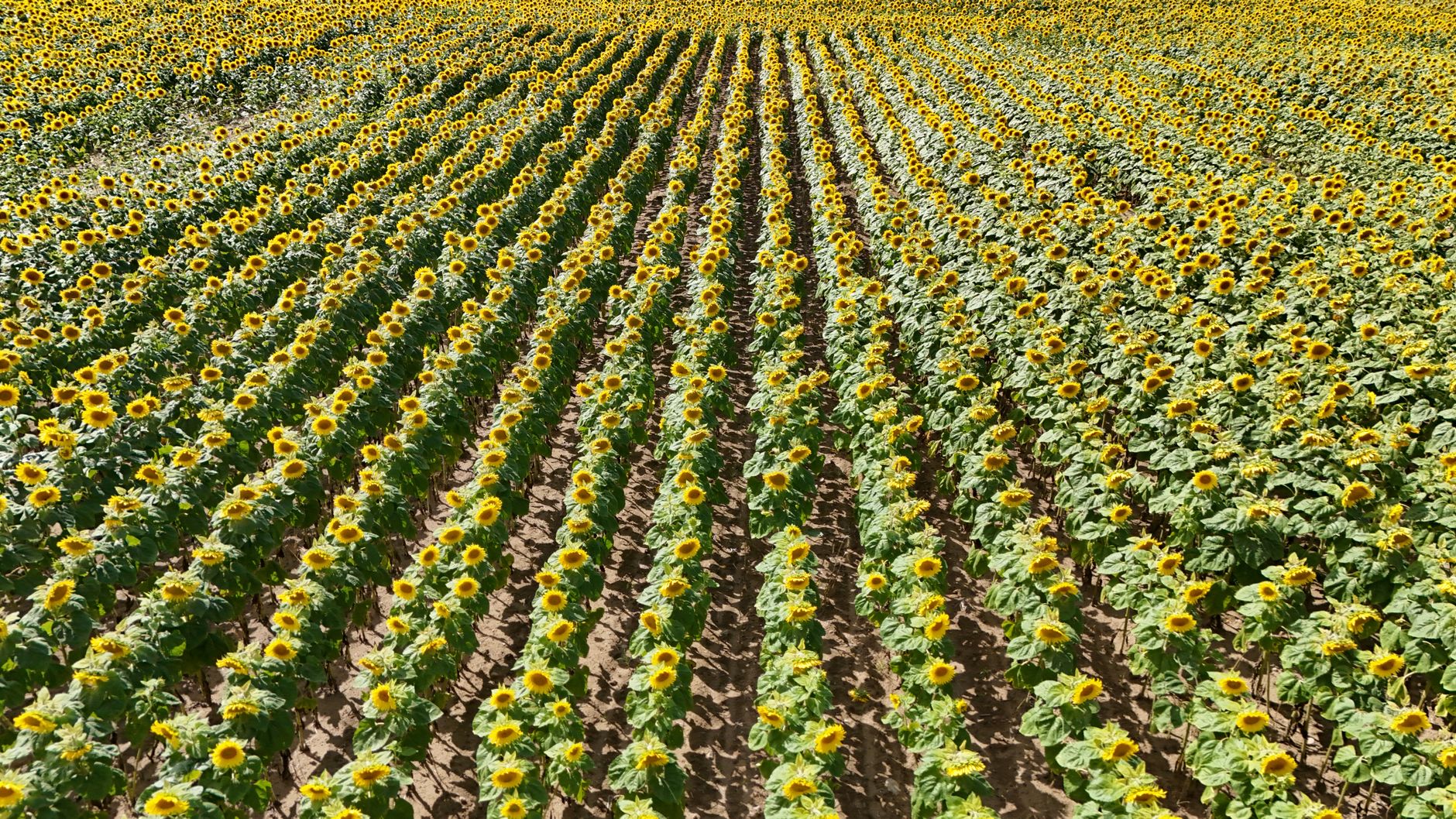
Sunflower Farming in Bungoma and Busia: County-Specific Growing Tips
If you farm in Bungoma or Busia, you already know that western Kenya has a distinct rhythm. The rainfall is more dependable than in many other parts of the country, the soils have real character, and the farming communities in both counties have been quietly building momentum around sunflower as a serious commercial crop. This guide pulls together county-specific advice so you can make the most of what your land already offers.
Why Bungoma and Busia Are Strong Sunflower Counties
Bungoma and Busia receive more reliable rainfall than the dryland counties further east, and that consistency matters enormously for sunflower. A crop that experiences water stress during its flowering and seed-fill stages will produce poorly filled heads and reduced oil content, which translates directly to lower income at weighbridge. Farmers in these two counties have a natural advantage because the long rains are relatively predictable and the short rains add a useful second window. That reliability means planning a planting calendar is far more straightforward here than in counties where a missed rain spell can derail an entire season.
The soils across much of Bungoma and Busia sit within the broader Lake Victoria basin influenced zone, which means they tend to have moderate clay content that anchors sunflower roots well. Sunflower has a deep taproot that can reach well below the surface, and soils with good structure allow that root to penetrate freely and access subsoil moisture. Where the clay fraction is balanced by silt and organic matter, water-holding capacity is strong without becoming waterlogged after heavy rain. Farmers who understand their specific soil block can work with its natural properties rather than fight them.
Farmer adoption of sunflower has grown noticeably in both counties over the past few seasons, and that growth creates its own advantages. When more farmers in a sub-county grow the same crop, knowledge spreads quickly through farmer groups, input traders stock the right seeds, and field agronomists make more regular visits. Market buyers also start to pay more attention once volumes from an area reach a meaningful level. The community effect is real, and it rewards early movers who invest in getting their agronomy right.
Both counties also sit near water sources that make dry-season or supplemental irrigation practical for farmers close to rivers and seasonal streams. The Nzoia River system in Bungoma and the Sio River in Busia give some farmers options that growers in purely rain-fed areas simply do not have. Supplemental irrigation during a dry spell in the seed-fill stage can be the difference between an average harvest and an excellent one. Even farmers without pumped irrigation can benefit from these water resources through gravity-fed channels where the terrain allows it.
Soil Preparation for Western Kenya Conditions
Before you put a seed in the ground, testing your soil pH and nutrient levels is one of the most useful things you can do. Many extension offices and agro-input dealers in Bungoma town and Busia town can point you toward affordable soil testing options, and the cost of a test is a fraction of what you might spend correcting a problem mid-season. Sunflower performs best at a soil pH between 6.0 and 7.5, so knowing where your farm sits tells you immediately whether you need to apply lime or adjust your fertilizer plan. A nitrogen and phosphorus baseline reading also helps you avoid over-applying fertilizers that the crop will not use, which saves money and reduces runoff risk.
Waterlogging is one of the more serious risks in high-rainfall western Kenya, and it can damage sunflower roots faster than most farmers expect. Sunflower does not tolerate standing water around the root zone for more than 48 to 72 hours, and prolonged waterlogging causes root rot that looks superficially like drought stress because the damaged roots cannot supply water to the plant. On flat land or in low-lying plots, raised beds or ridges that lift the root zone above the lowest drainage point are a practical solution. Constructing drainage furrows along the length of the plot before planting takes a day of extra work but protects the entire season's investment.
Incorporating organic matter into your soil preparation improves the texture in ways that help both water retention and drainage at the same time. Well-composted crop residues, farmyard manure, or green manure from a previous legume crop all feed the soil biology that holds nutrients available to the crop. In Bungoma and Busia, where rainfall can be intense in short bursts, good organic matter content also acts as a buffer that absorbs water quickly and releases it slowly to plant roots. Aim to incorporate organic material at least two weeks before planting so it has time to start breaking down before the young seedling needs it.
Acidic soils are common across parts of both counties, partly as a result of long-term cultivation and high rainfall that leaches basic minerals from the topsoil. Lime application is the standard correction, but it needs to be applied and worked into the soil several weeks before planting to have a meaningful effect on pH by the time seeds germinate. Agricultural lime sourced through reputable agro-dealers is affordable in both counties, and applying it based on your soil test result means you use the right amount rather than guessing. Correcting pH also improves the availability of phosphorus, which is critical for sunflower root development in the early weeks after germination.
Timing Your Plant and Harvest Around Local Rainfall
In Bungoma and Busia, the long rains typically arrive between March and April, and the short rains follow around October. Planting sunflower two to three weeks into an established rainy season rather than at the very first rains gives you confidence that the rain has set in properly and reduces the risk of a dry spell hitting the young seedlings before they develop enough root depth to cope. Most certified sunflower varieties mature in 90 to 110 days, so planting in early to mid-March positions your harvest in June or July before the heavy humidity of the mid-year period peaks in some sub-counties. For the short rains season, an October planting often works well if your specific location receives sufficient October rainfall to carry the crop to mid-January harvest.
Monitoring weather patterns at the sub-county level is more valuable than relying on national-level forecasts, because rainfall in western Kenya can vary considerably across short distances. Farmers in Tongaren, Kanduyi, Butula, and Nambale may experience different onset dates and rainfall intensity even within the same season. Keeping a simple field notebook of planting dates, first rain dates, and flowering dates over several seasons builds a personal weather record that is more relevant to your specific farm than any general advisory. Local Kenya Meteorological Department sub-county advisories, where available, are worth following because they account for the lake influence on western Kenya's micro-climates.
Irrigation or drainage adjustments based on seasonal forecasts can protect your yield at critical moments. If a La Niña event brings lower-than-average short rains, even a modest supplemental irrigation at flowering can maintain oil content and seed weight. Conversely, if forecasts suggest an unusually wet long-rain season, reinforcing your drainage furrows before the heaviest months arrives is time well spent. Weather forecasts are never perfectly accurate, but acting on probability rather than optimism consistently reduces crop losses across seasons.
Harvest scheduling in a humid environment requires attention because sunflower heads that are left in the field too long after physiological maturity are vulnerable to aflatoxin and seed mould. The back of the head turning yellow to brown and the seeds becoming firm and fully coloured are the reliable visual signs that the crop is ready. In years with extended post-harvest humidity, cutting heads and drying them under a covered shelter speeds moisture loss and protects your grain quality before delivery. Buyers including Sunflower Africa's procurement teams assess moisture content at intake, and delivering grain below the required moisture threshold means a cleaner transaction and full payment without deductions.
Managing Pests and Diseases in Humid Environments
Fungal diseases are the most consistent threat to sunflower quality in the wetter conditions of western Kenya. Alternaria leaf spot and Sclerotinia stem rot both thrive when leaf surfaces stay wet for extended periods and when plants are crowded closely together. Selecting certified, disease-tolerant varieties is your first line of defence, and it is worth asking specifically about disease resistance when choosing seed each season. Rotating sunflower with cereals such as maize or sorghum on the same plot every two to three years also reduces the build-up of soil-borne fungal inoculum.
The most common pests reported by farmers in Bungoma and Busia include caterpillars that attack young seedlings, aphid colonies that cluster on stems and the undersides of leaves, and sunflower beetles that can damage maturing heads. Aphids are worth watching closely because they are vectors for some viral diseases as well as direct feeders that reduce plant vigour. The practical early warning sign for most pest problems is a daily walk through the field during the first six weeks after germination, when plants are most vulnerable and when catching a problem early still allows a low-input response. A hand lens is a useful tool for distinguishing aphid colonies from fungal spots before a problem escalates.
Plant spacing has a direct effect on disease pressure and is one of the most underused tools available to any farmer. In western Kenya's humid conditions, spacing plants 60 to 75 centimetres apart within rows and 75 centimetres between rows allows air to move freely through the canopy, which dries leaf surfaces faster after rain or morning dew. Overcrowding, which is tempting because it feels like using land efficiently, actually increases humidity at the centre of the crop and creates exactly the conditions fungal pathogens need to spread. Correct spacing also ensures every plant gets adequate sunlight for photosynthesis and produces a well-filled head rather than an elongated, poorly developed one.
Integrated pest management combines cultural practices, biological controls, and targeted chemical use rather than defaulting to pesticides as a first response. Encouraging natural predators such as ladybirds and parasitic wasps by maintaining some vegetation at field edges supports biological control of aphids at no cost to the farmer. When chemical intervention is genuinely necessary, using registered pesticides at label-recommended rates and application timings protects both your crop and the soil biology that supports the next season's productivity. Over-reliance on broad-spectrum chemicals kills beneficial insects and can trigger secondary pest outbreaks that are harder to manage than the original problem.
Connecting to Markets Without Middlemen
Sunflower Africa has field teams operating in Bungoma and Busia counties who work directly with registered farmers throughout the growing season, not just at harvest time. Those teams conduct agronomic visits at key crop stages, including emergence, vegetative growth, flowering, and pre-harvest, so that problems are caught and addressed before they cost you yield. Having a known contact person from the company who understands your specific sub-county conditions is meaningfully different from calling a general helpline or waiting for a market day interaction with an itinerant trader. The relationship is built over seasons, and it means the advice you receive is grounded in your actual farming environment.
Certified seed access through Sunflower Africa ensures that the variety you plant has been tested, registered with KEBS-certified quality standards, and selected for the performance characteristics that matter in western Kenya conditions. Planting uncertified or recycled seed is one of the most common reasons farmers in any county underperform relative to their neighbours, because germination rates, disease resistance, and oil content are all compromised when seed quality is uncertain. Registered farmers receive certified seed as part of their contract farming agreement, which removes one of the main input cost uncertainties from the beginning of each season. Agronomic support visits through the Bungoma and Busia offices accompany that seed access so you have guidance from planting through to harvest.
Guaranteed pricing is perhaps the single most important benefit that Sunflower Africa's contract farming model offers farmers in western Kenya. When you sign a contract before the season begins, you know the price you will receive for qualifying produce at harvest, regardless of what spot market prices do during the season. That certainty changes how you plan your finances, makes it easier to justify investing in quality inputs, and removes the anxiety of watching middlemen offer varying prices at the farm gate during harvest week. Fair pricing that reflects the quality of your delivered produce, without deductions for invented reasons, is the foundation of every agreement the company enters into.
Harvest logistics and transport coordination from western Kenya are managed through the local field teams rather than leaving farmers to arrange their own delivery to distant intake points. Coordination of collection scheduling, particularly during peak harvest periods when multiple farmers deliver at the same time, reduces the time that cut and dried heads sit in storage waiting for transport. Shorter time between harvest and delivery is directly beneficial to grain quality, which in turn protects the price you receive. Farmers in Bungoma and Busia who work within the Sunflower Africa network can find more detail on joining as a contract farmer through the offices in both counties.
Bungoma and Busia have genuine agricultural advantages that make them well-suited to sunflower as a commercial crop, and farmers in both counties who combine good agronomy with a reliable market relationship are consistently able to build a stronger income season after season. The tips in this guide are most useful when they are applied together rather than in isolation, because soil preparation, timing, pest management, and market access all reinforce each other. If you are ready to take your sunflower farming in either county to a more consistent level, the Sunflower Africa team in your area is a practical starting point.