Sunflower Farming Groups: Strength in Numbers
Sunflower farming groups in Kenya transform individual smallholders into organized buyers with negotiating power, access to certified seeds at bulk discounts, direct relationships with processors, and shared equipment costs. Groups eliminate middlemen, secure multi-season contracts at fair prices, and unlock county extension services and capacity building unavailable to solo farmers.
See everything Sunflower Africa can do for you.
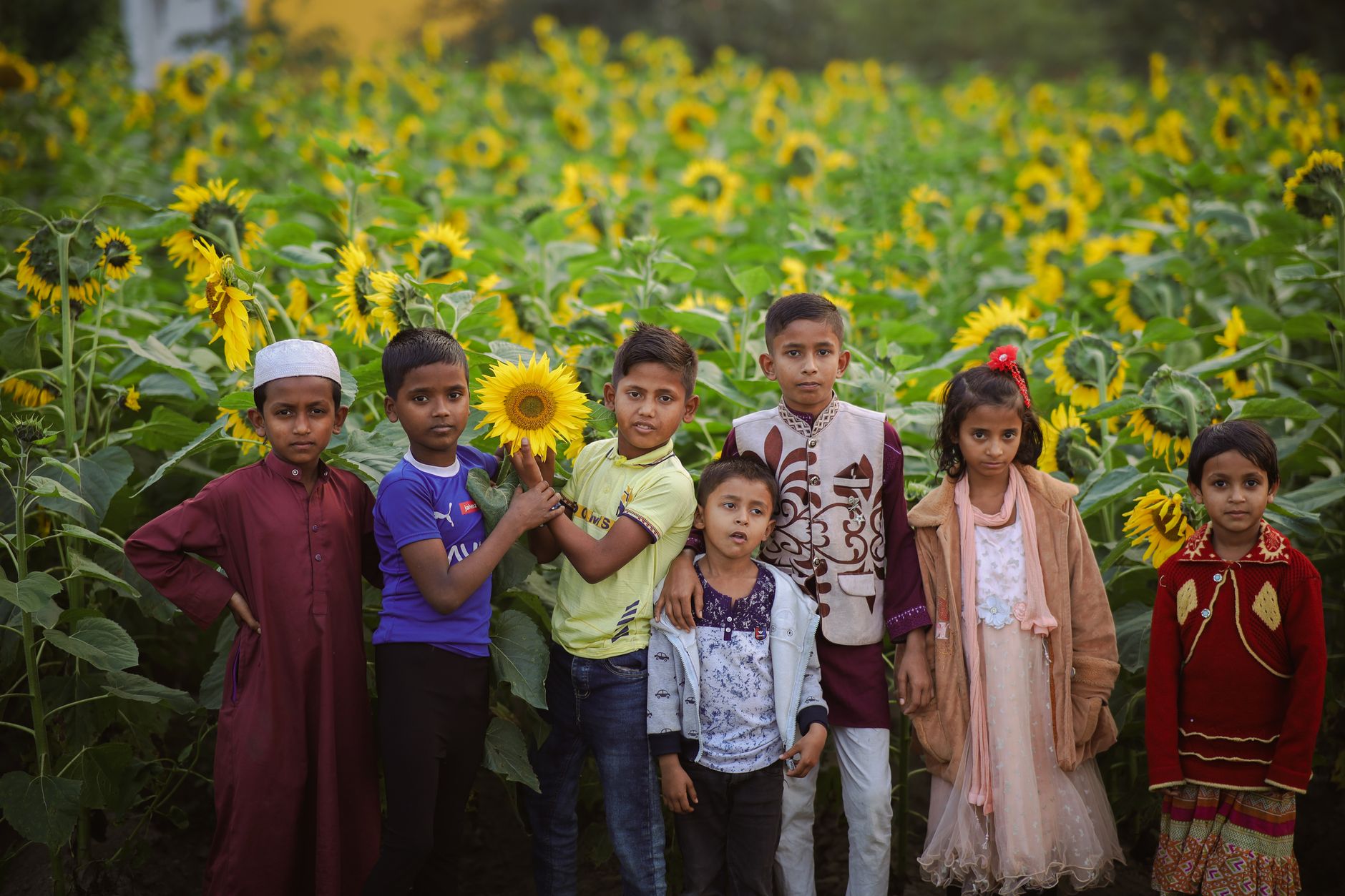
Sunflower farming in Kenya rewards hard work, but hard work alone rarely brings the returns farmers deserve. Too many smallholder growers spend an entire season nurturing their crop only to face unfair prices at harvest because they are selling alone, without leverage, and without a reliable buyer lined up. Farming groups change that equation in ways that are practical, measurable, and lasting.
Why Sunflower Farmers Need a Group
The typical individual sunflower farmer in Kenya faces a difficult position at harvest time. Buyers know that a farmer with a single acre or two of produce is under pressure to sell quickly before the grain spoils or prices fall further. That pressure translates directly into lower offers, and most farmers have no choice but to accept. When farmers come together as a group, that pressure disappears because the group sets the terms rather than accepting whatever is offered.
Buyers who purchase sunflower at scale, including processors and oil manufacturers, actively prefer working with organized groups. A group can guarantee a consistent volume and a uniform quality standard that a single farmer simply cannot match. That consistency is what processors need to keep their operations running smoothly, so they will pay a premium to secure it. Organized groups immediately become more attractive trading partners than scattered individual sellers.
Groups also make shared investments possible that are completely out of reach for a solo farmer. Certified seeds, quality inputs, and access to agronomists all become affordable when the cost is split across twenty members rather than carried by one household. Beyond money, knowledge circulates freely inside a group, and a farmer who learned a better spacing technique or pest response last season shares it before the next planting. A single strong voice asking for extension services gets politely noted, while a group of thirty farmers asking for the same support gets a visit from the county agricultural office.
How Farming Groups Lower Your Costs
One of the most immediate and visible benefits of joining a farming group is the reduction in what you pay for seeds and fertilizers. When a group of fifteen to thirty farmers places a single bulk order for certified sunflower seeds, the supplier offers a lower per-unit price that no individual farmer could negotiate alone. That saving is real money that stays in the farmer's pocket before the crop has even been planted. Over two or three seasons, the cumulative savings from bulk purchasing can cover the cost of additional inputs or equipment.
Machinery and equipment rental is another area where groups cut costs meaningfully. Hiring a tractor or planter for one acre is expensive relative to what you get, but spreading that cost across ten or fifteen farmers who use the same machine in the same week makes it genuinely affordable. Groups often develop rosters so that equipment moves efficiently from one member's farm to the next without idle days that add to the bill. This kind of coordination is simple to manage once a group has basic record-keeping in place.
Transportation to market is a cost that quietly eats into profits for farmers who sell individually. A single farmer hiring a vehicle to carry two or three bags of sunflower to the collection point pays almost as much as a group transporting two hundred bags on the same journey. Consolidated produce means the transport cost per kilogram drops sharply, and the group often negotiates a better rate with transporters who want the regular business. Beyond transport, groups that sell collectively have no need for the brokers and middlemen who typically take a cut of ten to twenty percent before the farmer even sees their money.
Building Relationships with Reliable Buyers
Serious buyers, meaning processors, cooperatives, and companies that need sunflower seed or oil on a regular schedule, are not interested in chasing down dozens of individual farmers at harvest time. They want a single contact point, a guaranteed volume, and a predictable quality. An organized farming group offers all three, which is why buyers seek out groups and sometimes pay for the relationship by offering better prices and faster payment. Individual farmers rarely get that kind of attention from the same buyers.
One of the most valuable things a stable buyer relationship gives you is certainty before you plant. When a group has signed a multi-season contract, every member knows the price they will receive and the volume expected, and they can make planting decisions based on real figures rather than speculation. That advance knowledge changes how farmers budget, how much they invest in inputs, and how confidently they manage the crop through the season. Farming becomes a planned business activity rather than a gamble resolved only at harvest.
Negotiating multi-season contracts is something groups can do that individuals almost never achieve. A buyer who knows that a group of forty farmers will deliver five hundred metric tonnes of sunflower over the next two seasons has strong reasons to lock in fair pricing and maintain the relationship. Groups can push for contract terms that include price review clauses, payment timelines, and quality standards that protect members. Eliminating middlemen through these direct contracts means the price the buyer pays arrives in full to the farmer, not filtered through someone who adds cost but no value.
Accessing Training and Technical Support
Training and technical support are far more accessible to groups than to individual farmers, and the difference shows up directly in crop performance. County agricultural offices, NGOs, and private companies that work in the sunflower value chain prioritize their limited time and resources toward organized groups because one workshop can reach thirty people instead of one. Groups qualify for capacity building sessions on soil health, pest identification, water conservation, and post-harvest handling that many individual farmers never receive. That technical foundation is what separates a two-tonne-per-acre yield from a four-tonne-per-acre yield on the same quality of land.
Inside a healthy farming group, members become one another's fastest and most credible source of practical knowledge. When one farmer spots an aphid infestation in week six of the growing season, the information spreads through the group in days and every member responds before significant damage occurs. Learning from someone in your own community who farms land similar to yours carries more weight than reading a pamphlet from a distant office. This peer-to-peer knowledge transfer is one of the quiet advantages of group membership that rarely appears in any budget but consistently improves outcomes.
Group leaders play a particularly important role in connecting members with agronomists and extension officers when the crop faces stress. A single farmer calling the county agricultural line may wait weeks for a response, but a group leader who has built a relationship with the local extension office can arrange a farm visit far more quickly. That access matters most during critical moments like drought stress, disease outbreaks, or nutrient deficiencies where a two-week delay can cost a significant portion of the harvest. Groups that invest in trained, organized leadership consistently solve crop problems faster than those who leave every member to figure things out individually.
Getting Started: Forming or Joining a Group
Forming a farming group does not require large funds or complicated structures to begin. Start by identifying ten to twenty sunflower farmers in your immediate locality who are already committed to the crop and who are known to be reliable and honest in their dealings. Locality matters because shared geography means shared weather, shared pest pressures, and easy face-to-face meetings without long travel costs. A group built on genuine shared interest in sunflower farming will outlast one formed purely to qualify for a one-time benefit.
Every functional group needs a few simple rules agreed upon from the start. Regular meeting dates, honest record-keeping of contributions and sales, clear roles for a chairperson and treasurer, and a shared goal for the season are the basics that prevent conflict later. These do not need to be elaborate bylaws drafted by a lawyer. A one-page agreement signed by all members and reviewed at the start of each season is enough to keep expectations aligned and disputes manageable.
Registering your group with your county agricultural office is a practical step that opens doors quickly. Registration signals to government agencies, buyers, and support organizations that your group is serious and accountable, and it makes you eligible for official extension services, grants, and input subsidy programs that unregistered groups cannot access. After registration, connecting with organizations that work directly in the sunflower value chain is the next step toward securing training and market linkages. Groups that approach these connections with clear records of their membership, land area, and expected production tend to be taken seriously and supported promptly.
Real Outcomes: What Farming Groups Achieve
The results that farming groups produce are not abstract. Members who join organized groups and purchase inputs collectively consistently report savings of fifteen to twenty-five percent on their seed and fertilizer costs compared with buying alone at local agrovets. On a farm where inputs represent thirty to forty percent of total costs, that saving changes the entire season's economics. It also means members can afford better quality inputs rather than substituting cheaper options that reduce yield.
At the selling end, groups regularly secure prices twenty to thirty percent higher than individual farmers receive for the same crop in the same season. The combination of consistent volume, organized quality grading, and direct buyer relationships removes the price discount that buyers impose on sellers with no alternatives. Farmers who have sold individually for years and then joined a group often describe the price difference as the most immediate and convincing proof that group membership works. That price improvement compounds over multiple seasons as the buyer relationship grows stronger and contracts become more favorable.
Beyond price and cost, farmers in well-run groups tend to produce more per acre because they plant certified seeds, apply the right inputs at the right time, and catch problems early. The combination of better technical knowledge and more reliable inputs narrows the yield gap between what a farm could produce and what it actually produces. At harvest time, the reduction in stress is something group members consistently mention alongside the financial benefits. Knowing that a buyer is already contracted and waiting removes the anxiety that drives individual farmers to accept the first offer they receive, and that calm is worth something real to a farming household.
Farming groups are not a complicated solution to a complicated problem. They are a straightforward way to do collectively what no individual farmer can do alone: negotiate from strength, buy at scale, access support, and sell with confidence. If you are a sunflower farmer in Kenya looking to join or form a group, or if you want to learn how Sunflower Africa supports organized farmers through contract farming and guaranteed market access, the conversation starts with the farmers around you and the crop you are already committed to growing.
See everything Sunflower Africa can do for you.
Visit Sunflower Africa →