Sunflower Farming Pest Control: Protect Your Yield Year-Round
Protect sunflower yields year-round by identifying common Kenya pests like head moths, stem borers, leaf beetles, cutworms, and spider mites. Early detection through weekly scouting, distinguishing pest damage from disease, applying economic thresholds, and keeping records enable timely, cost-effective control. Regional variation across Narok, Bungoma, Busia, Tharaka Nithi, and Embu requires seasonal awareness and proactive management.
See everything Sunflower Africa can do for you.
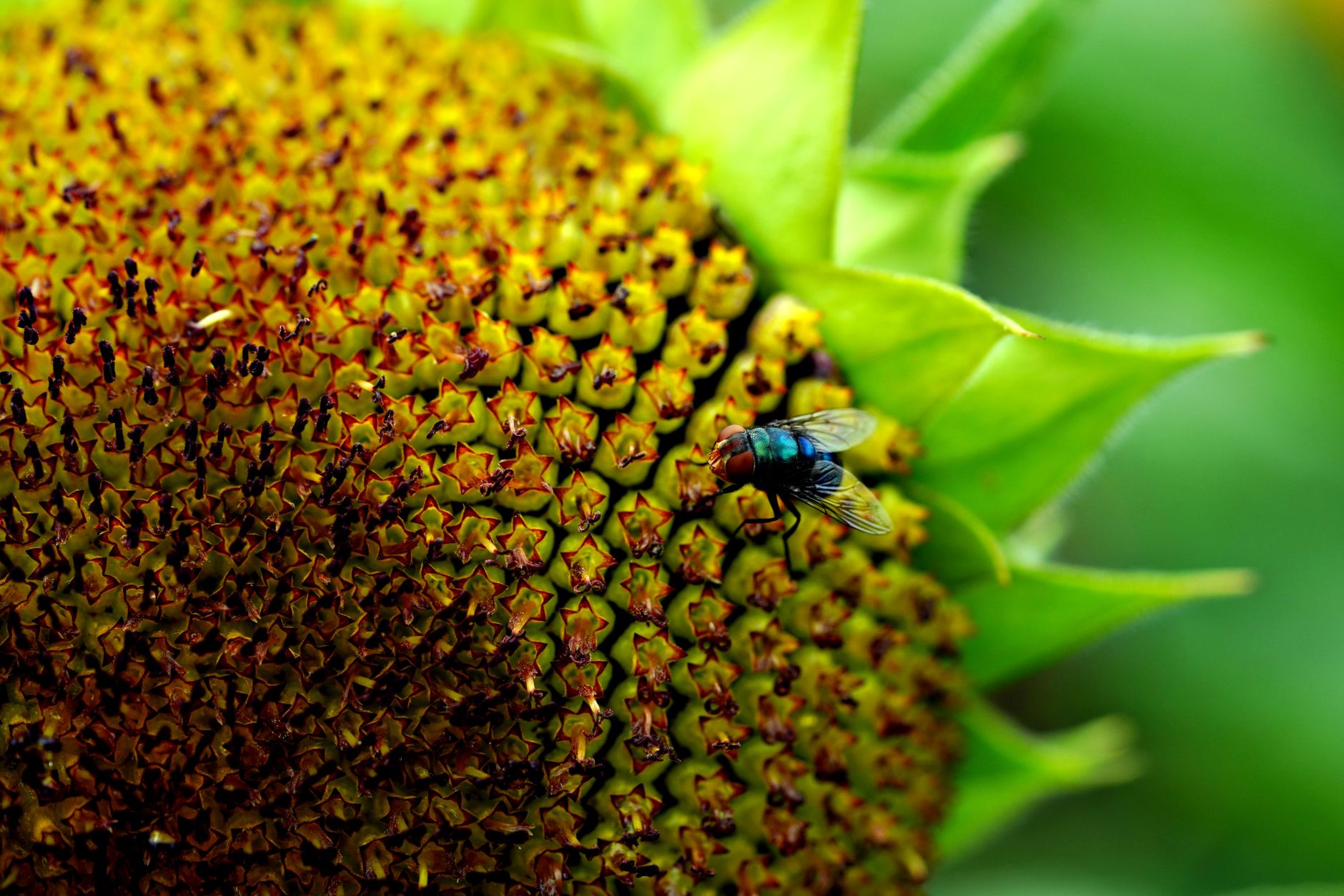
Keeping pests off your sunflower crop is one of the most practical things you can do to protect your income, and the good news is that most pest problems are manageable when you act early. Whether you farm in Narok, Bungoma, Busia, Tharaka Nithi, or Embu, the specific pests you face will vary by season and location, but the principles of protection stay the same. This guide walks you through identification, monitoring, and control so you can go into every season prepared.
Common Sunflower Pests in Kenya's Growing Regions
Sunflower Head Moths
The sunflower head moth is one of the most damaging insects you will encounter during the flowering stage, and it is worth knowing exactly what it looks like. Adult moths lay eggs directly on the developing florets, and the larvae burrow into the head and feed on the seeds before they fully form. By the time you notice the frass and webbing on the outside of the head, significant seed loss may have already occurred inside. The damage is especially severe when flowering coincides with warm, humid nights, which accelerate egg-laying activity. Catching this pest before the head fully opens, when you can still see early larval entry points, gives you the best chance of limiting yield loss.
Stem Borers and Leaf Beetles
Stem borers are a persistent threat across most sunflower-growing counties in Kenya, and their damage can be easy to miss until it becomes serious. Larvae enter the stem near the base or at node joints, feeding on the interior and weakening the plant's ability to transport water and nutrients. In Bungoma and Busia, populations tend to build during the long rains season when maize is also in the ground, because many borer species move between crops. Leaf beetles appear differently, skeletonizing the leaf surface in irregular patches that you can spot during a routine field walk. Both pests tend to become more active during warmer periods, so seasonal awareness in your specific county helps you anticipate their arrival.
Cutworms and Armyworms
Cutworms cause their worst damage at the seedling stage, cutting stems at or just below the soil surface overnight, which means you often find toppled plants without an obvious insect in sight. Armyworms are more visible because they feed above ground, often in groups, stripping leaves rapidly across a section of your field. Both pests tend to flare up after a dry period breaks with rainfall, which triggers mass hatching from eggs laid in the soil or on debris. Checking the soil around collapsed seedlings for the smooth, curled cutworm larvae is a reliable confirmation method. Acting within the first few days of an outbreak protects your stand count and avoids the need for costly replanting.
Spider Mites in Dry Seasons
Spider mites are not insects but they cause serious crop stress, particularly in the drier parts of Tharaka Nithi and Embu during the short rains season when soil moisture is inconsistent. They feed on leaf cells by piercing the surface, leaving a fine bronze or yellow stippling that progresses to full leaf scorch if the infestation is left unchecked. Water-stressed plants are significantly more vulnerable because mite populations can double every three to five days under hot, dry conditions. The fine webbing they produce on the undersides of leaves is one of the clearest signs of a heavy infestation. Keeping your crop adequately watered during dry spells is not just about agronomy; it directly reduces your mite risk.
Early Detection: Scouting Your Fields Regularly
Weekly Field Walks
Committing to a weekly field walk from emergence through grain fill is one of the highest-return habits a sunflower farmer can build. During the vegetative stage, you are looking for chewed leaf margins, stem entry holes, and wilting that does not match the rest of the field. Once the plant moves into the flowering stage, your focus shifts to the heads, where moths and beetles concentrate their activity. Walking a consistent route across different parts of your plot, rather than just checking the edges, gives you a more accurate picture of what is happening throughout the stand. Thirty minutes of deliberate observation each week will tell you more than an occasional full inspection after damage has already spread.
Identifying Pest Damage Versus Disease Symptoms
Farmers sometimes mistake fungal leaf spots or bacterial infections for insect feeding, which leads to the wrong treatment and wasted input costs. Pest damage tends to have irregular, chewed edges or distinct entry holes, while disease lesions usually have defined borders, discoloration rings, or a water-soaked appearance in early stages. Holding a leaf up to the light can reveal the thin transparent windows left by leaf miners that a quick glance might miss. On stems, look for frass, which is the powdery or granular excrement that borers push out of their tunnels, as a clear indicator of insect rather than disease activity. Getting this distinction right early means your response is targeted and cost-effective.
Economic Thresholds
Not every pest sighting justifies a spray, and treating below the economic threshold wastes money and disrupts natural pest controls already working in your field. A simple threshold for sunflower head moths, for example, is roughly two to three larvae per head across multiple sampled plants before chemical intervention becomes worthwhile. For armyworms, the threshold is typically visible defoliation affecting more than 30 percent of the leaf area in actively growing plants. These numbers are guidelines, not fixed rules, and factors like crop growth stage and input cost relative to expected grain price will influence your decision. Knowing the threshold helps you stay calm when you see a few insects and act decisively when numbers genuinely warrant it.
Keeping Simple Records
A small notebook dedicated to your farm observations across seasons is more valuable than it might seem. Recording the date, location within your plot, pest species, and approximate population at each scouting walk creates a personal data set that improves your decisions year on year. Over two or three seasons you will start to see patterns: spider mites arriving in the same week every dry season, or borer activity peaking around six weeks after planting. These patterns let you shift from reactive to proactive management, positioning treatments or biological controls before populations build. Simple records also make it easier to identify whether a particular variety or practice is genuinely reducing pest pressure on your farm.
Integrated Pest Management Without Heavy Chemicals
Cultural Practices
Rotating sunflower with cereals or legumes is one of the most effective ways to break pest cycles because many insects that attack sunflower cannot complete their lifecycle on different host plants. Field sanitation, which includes removing crop residue and old stalks promptly after harvest, eliminates the overwintering sites where cutworms and stem borers persist between seasons. Choosing certified varieties that have been bred or selected for tolerance to local pest pressure gives your crop a built-in advantage before a single input is applied. Planting into well-prepared, weed-free seedbeds also removes the harboring ground that armyworm moths prefer for egg-laying. These practices cost very little extra but compound over time to reduce the pest pressure on your land.
Biological Controls
A healthy population of natural predators in your field can suppress pest numbers to below economic thresholds without any chemical intervention. Ladybird beetles feed voraciously on aphids, which are secondary pests that weaken sunflower plants and sometimes transmit viruses. Parasitic wasps attack the larvae of moths and borers, laying their own eggs inside or on the pest so that the natural enemy's offspring consume the pest from within. You encourage these beneficials by reducing broad-spectrum pesticide use, maintaining flowering plants on field margins to provide nectar, and avoiding disturbing soil excessively outside of planting season. Building this biological buffer takes a season or two to establish but pays dividends in reduced input costs going forward.
Mechanical Removal
For smaller plots of one or two acres, handpicking is genuinely practical for certain pests and should not be dismissed as old-fashioned. Collecting armyworm clusters by hand early in the morning, when they are sluggish, and dropping them into a bucket of soapy water can stop an outbreak before it spreads across a whole section of the field. Moth egg masses on sunflower heads can also be removed manually if the infestation is spotted early enough. This approach requires more labour but avoids any risk to beneficial insects, pollinators, or the farmer's own health. On plots where labour is available and input budgets are tight, mechanical removal paired with good scouting is often the most cost-effective first response.
Timing Planting to Avoid Peak Pest Cycles
In Narok and the cooler highland margins, stem borer populations peak during certain windows of the long rains season, and planting two weeks earlier or later can shift your vulnerable seedling stage outside that window. In Busia and Bungoma, armyworm pressure tends to follow the first significant rainfall events, so early planting that gets the crop to a more established stage before the rains can reduce damage to the most fragile seedlings. Farmers in Tharaka Nithi and Embu often find that planting in alignment with the reliable onset of the short rains reduces spider mite pressure by keeping the crop well-watered from the start. This kind of county-specific timing knowledge builds up through observation and conversation with other farmers in your area. Our team across all offices can help you think through planting calendars that account for local pest patterns in your county.
When and How to Use Approved Treatments
Registered Pesticides for Sunflowers in Kenya
Only pesticides registered by the Pest Control Products Board (PCPB) should be used on sunflower crops in Kenya, and confirming registration before purchase protects you, your produce, and your market access. Common active ingredients used on sunflower include pyrethroids for moth and beetle control, and acaricides specifically labeled for mite management. Following the label rate precisely matters because underdosing can lead to resistance buildup in pest populations over time. Many farmers apply at half-label rates thinking they are saving money, but this is one of the main drivers of resistant pest strains emerging in a growing region. Buying from reputable agrovets and keeping your purchase receipt is a simple habit that verifies you are using a legitimate, registered product.
Spraying Timing to Protect Beneficial Insects
Spraying during the early morning or late afternoon significantly reduces harm to bees and other pollinators, which are active and foraging at midday. This is especially important during the flowering stage, when sunflower heads are fully open and attracting pollinators that directly contribute to your seed set. Applying at lower temperatures also improves pesticide efficacy because evaporation is reduced and the chemical stays on leaf surfaces longer. Avoid spraying when winds exceed ten kilometres per hour, as drift onto neighbouring crops or water sources creates problems for your neighbours and the environment. Coordinating spray timing with nearby farmers can also prevent treated fields from simply pushing pests into untreated ones.
Safety Protocols
Personal protective equipment is not optional when handling pesticides, and the minimum standard includes gloves, a face mask, protective eyewear, and closed shoes. Reading the label for each specific product tells you whether you need a full respirator or simple clothing precautions, so the label is always your first reference point. Pre-harvest intervals, the number of days required between the last spray and harvest, vary by chemical and must be respected to keep residues within safe limits for buyers. Storing chemicals in a locked location away from food, water, and children is a basic safety requirement on every farm regardless of plot size. Farmers who follow safety protocols consistently are also better positioned when buyers or cooperatives conduct quality and compliance checks on produce.
Post-Spray Monitoring
A single pesticide application rarely solves a pest problem completely, and monitoring your field in the days that follow tells you whether populations are declining or rebounding. Some pest species have multiple generations within a single season, and a second wave can arrive as quickly as ten days after an initial knockdown. Walking your field three days post-spray and again seven days post-spray, using the same scouting route, gives you a clear picture of treatment effectiveness. If populations remain above the economic threshold after seven days, assess whether application technique or timing was the limiting factor before reaching for another spray. Building this monitoring habit prevents the common pattern of repeated, escalating chemical use that increases cost without proportionally increasing control.
Building Long-Term Pest Resilience on Your Farm
Soil Health and Plant Vigour
A plant that is growing vigorously in healthy soil is better able to tolerate and recover from pest pressure than a stressed one. Good soil structure, adequate organic matter, and balanced nutrition mean the plant can outgrow minor feeding damage that would seriously set back a nutrient-deficient crop. Incorporating compost or well-rotted manure before planting improves water retention, which directly reduces the drought stress that makes spider mite infestations worse. Conducting a soil test before the season helps you apply only what the soil actually needs, avoiding the over-application of nitrogen fertilizers that can make plant tissue softer and more attractive to feeding insects. Investing in soil health each season is one of the most durable forms of pest management available to you.
Diversifying Your Rotation
A sunflower-only rotation year after year is one of the fastest ways to build up a resident pest population that specialises in attacking your crop. Introducing legumes like soya or cowpea, or cereals like sorghum, into a three-year rotation deprives host-specific pests of their food source for at least two out of three seasons. Crop diversity also supports a wider range of natural enemies that are not sustained when a single host plant dominates the landscape. Some farmers in Bungoma and Busia successfully rotate sunflower with sugar cane plots on their wider holdings, which creates a very different pest environment on alternate plots. Talking to your neighbours about coordinating rotations across a wider area amplifies the benefit for everyone.
Collective Pest Management
Pests do not respect farm boundaries, and an infestation on a neighbour's unmanaged field will migrate to yours regardless of how well you scout and spray. Farmer groups and cooperatives that share scouting information and coordinate treatment timing consistently achieve better pest control than individual farms acting in isolation. Simple group arrangements, like agreeing to carry out field walks on the same day each week and sharing reports at a weekly meeting, create a community early-warning system at no extra cost. In counties where we work directly with farmer groups, this kind of collective monitoring has helped communities reduce pesticide expenditure while maintaining healthy yields. Working with us gives you access to a network of farmers facing the same seasonal challenges across multiple counties.
Working With Certified Seed Suppliers
The variety you plant is your first and most fundamental line of defence against pests, and certified seed from a reliable source gives you a known, verified starting point. Varieties bred or selected for local conditions carry traits that may include thicker stems, tighter head architecture, or leaf chemistry that deters specific insect species. Buying uncertified or recycled seed saves money in the short run but removes the assurance that the variety has been evaluated under Kenya's specific growing conditions and pest pressures. A good seed supplier will also provide planting and agronomic guidance specific to the variety, including any known pest sensitivities you should monitor. Using certified seed alongside the monitoring and management practices in this guide gives your crop the best available foundation for a full, healthy yield.
Sunflower farming in Kenya rewards the farmers who pay attention to their crops consistently and act early rather than waiting for damage to become obvious. Combining good cultural practices, regular scouting, and targeted treatments when they are genuinely needed will keep pest losses manageable across seasons and help you bring a quality crop to market. If you want guidance tailored to your county and growing conditions, our teams in Narok, Bungoma, Busia, Tharaka Nithi, Embu, and our other offices are here to support you through every stage of the season.
See everything Sunflower Africa can do for you.
Visit Sunflower Africa →