Sunflower Farming Seasons: When to Plant in Your County
Kenya's two main sunflower planting seasons—long rains (March-May) and short rains (October-November)—require county-specific timing for optimal germination and yield. Planting aligned with local rainfall patterns, variety selection, and harvest demand windows maximizes productivity and market returns. Certified seed varieties thrive when timing matches soil moisture availability.
See everything Sunflower Africa can do for you.
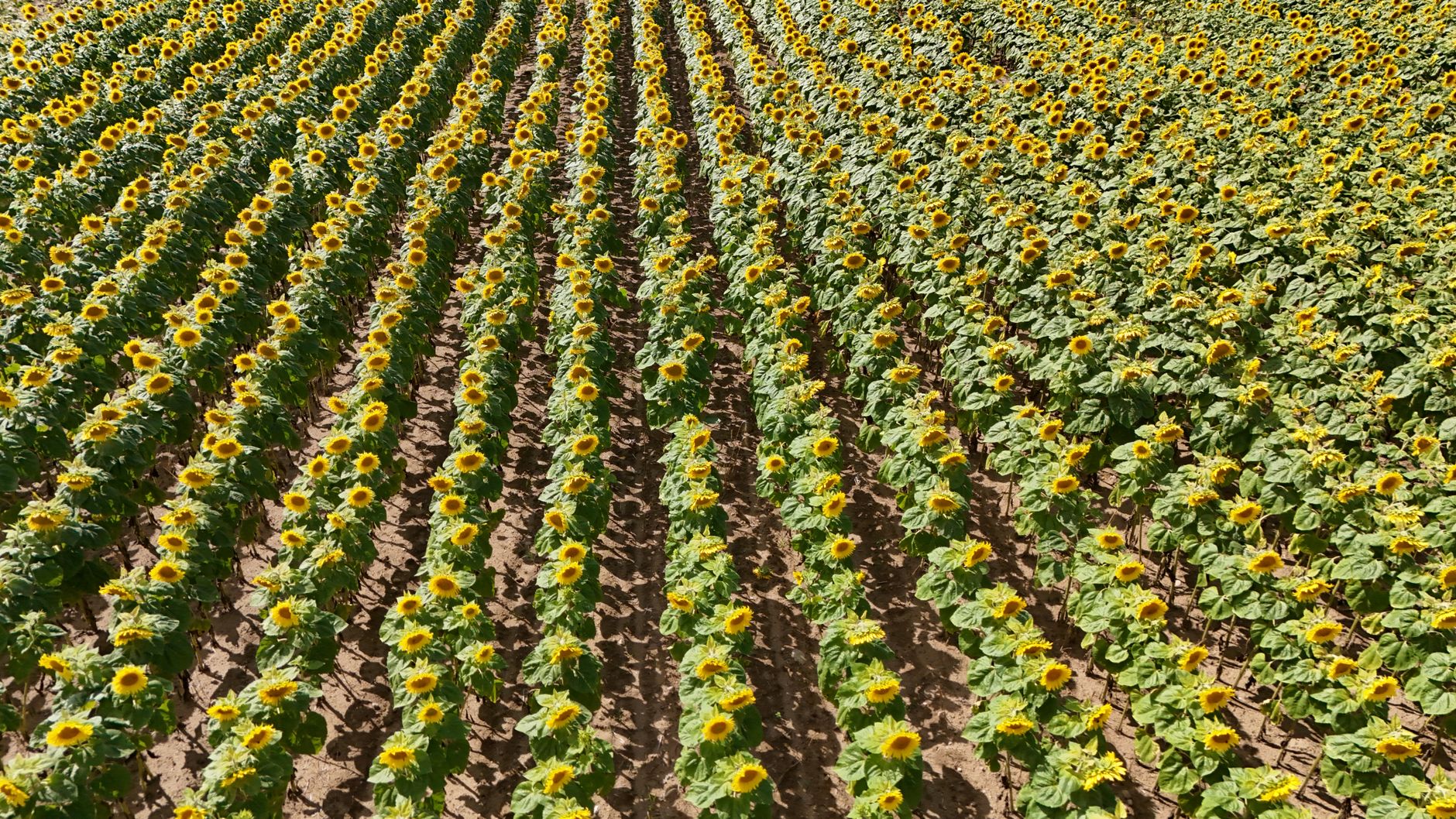
Getting sunflower farming right starts long before you drop a seed into the ground. The difference between a productive season and a disappointing one often comes down to timing, and timing depends on understanding exactly when your county's rains arrive, how long they last, and what happens to your crop during dry spells. This guide walks through Kenya's two main planting seasons, breaks down what works county by county, and explains how to prepare so you are ready when the first rains hit.
Why Planting Timing Matters for Sunflower Yields
Sunflowers germinate best when soil moisture is consistent, which means planting too early into dry soil or too late into waterlogged ground both carry real costs. Rainfall patterns in Kenya vary significantly between counties, so a planting date that works in Bungoma may be completely wrong for a farmer in Narok or Tharaka Nithi. When germination is strong and even, plants establish root systems quickly and become more resilient to stress later in the season. Poor timing, on the other hand, leads to patchy stands that are harder to manage and produce lower average yields per acre. The relationship between soil moisture and germination rate is well documented, and farmers who track local rainfall data before planting consistently outperform those who rely on habit or guesswork.
Planting at the wrong time also exposes your crop to pests and disease at its most vulnerable stages. Aphids, for example, are most damaging to young seedlings in the first three weeks after germination, and their populations spike during dry, warm conditions that follow erratic rains. If your planting is misaligned with the season, you may find your crop is at the seedling stage precisely when pest pressure is highest. Diseases like Alternaria leaf spot also spread faster when humidity fluctuates unpredictably, which happens when crops enter flowering during transitional weather. Planting within the right window keeps your crop's growth stages in sync with stable conditions, reducing the need for costly interventions.
Beyond the agronomic side, proper timing also connects your harvest to periods when buyers are actively purchasing and prices are stronger. Sunflower produce that arrives at the market ahead of or just after the main flush from other regions tends to attract better pricing. Farmers who plan their planting dates with the harvest calendar in mind are essentially making a pricing decision before they even prepare their land. At Sunflower Africa, we work with farmers to align their seasons with our buying schedules so that good timing in the field translates directly into better returns at the point of sale.
Long Rains Season: March to May Planting
The long rains season, running roughly from March through May, is the primary planting window for sunflower farmers across most of Kenya. Counties like Bungoma, Busia, and Embu receive consistent and relatively predictable rainfall during this period, which supports strong germination and steady crop development. The moisture profile during these months suits sunflowers well because the crop needs reliable water from germination through early vegetative growth, then benefits from drier conditions as it approaches flowering and seed fill. Most parts of western Kenya and the central highlands receive 400 to 700 millimetres of rainfall during this window, which falls comfortably within the sunflower crop's requirements. Farmers in these counties who plant between late February and early April tend to see the most uniform stands and the strongest yields.
One practical advantage of the long rains season is the extended growing window it provides for 80 to 90 day varieties, which are among the most commonly grown certified types in Kenya. These varieties have time to reach full physiological maturity before the main dry spell sets in around June or July, avoiding the risk of premature drying that can shrink seed size and reduce oil content. In counties like Embu, where rainfall often extends slightly longer into May and June at higher elevations, farmers can even afford to plant a little later without sacrificing maturity. Choosing the right variety for your specific location within the long rains window is just as important as choosing the right planting date. Our teams help farmers match certified seed varieties to their specific county conditions each season.
Harvests from long rains planting typically fall between May and July, depending on when planting occurred and the elevation of the farm. This timing overlaps with a period of strong buyer demand, partly because sunflower stocks from the previous short rains season are depleting and buyers are actively restocking. Farmers who deliver clean, dry produce in June and July often secure better prices than those harvesting later in the year when supply is heavier. Planning your planting date backward from this demand window is a practical way to maximize both yield and income from a single season.
Short Rains Season: October to November Planting
The short rains, which arrive between October and December in most parts of Kenya, open a second planting opportunity that is particularly valuable for farmers in lower-altitude counties. Narok is a good example, where October rains are reasonably reliable and the drier, warmer conditions suit sunflower development well through the growing period. Farmers in these zones who plant in October can take advantage of a season that is often overlooked by other crop producers, reducing competition for inputs and market space. The short rains season is shorter and less predictable in some areas, so it rewards farmers who prepare early and respond quickly when the first rains confirm a good start. In the right county, a well-managed short rains crop can be just as productive as a long rains crop planted a few months earlier.
Harvests from short rains planting fall between December and January, which is a strategically useful window in the sunflower market. Long-rains crops harvested earlier in the year have already been sold and processed, so market supply is relatively thin heading into the new year. A farmer delivering quality sunflower in December or January faces less competition from other growers, which typically supports stronger prices. For farmers who have the land and resources to run two seasons per year, combining long rains and short rains planting can spread income across the calendar and reduce the risk of relying on a single harvest.
The short rains season does require more careful planning than the long rains, particularly around variety selection and water retention. In areas where short rains are erratic, planting a drought-tolerant certified variety gives the crop a better chance of completing its growth cycle even if rainfall is lower than expected. Simple water retention practices like tied ridges or mulching can make a meaningful difference in moisture conservation during dry spells within the season. Farmers who ignore these steps and rely on short rains performing like long rains often end up with underdeveloped crops and reduced seed weight at harvest. Good preparation for the short rains season starts in September, before the first drop of rain.
County-Specific Planting Windows
Narok
Narok sits at a range of elevations and experiences a distinct seasonal pattern compared to western Kenya. The long rains planting window here runs through March, and farmers who get seed into the ground by mid-March tend to achieve the most consistent results. A second planting opportunity opens in late September, timed to catch the leading edge of the short rains, though farmers in Narok should confirm the forecast with local extension officers before committing. Dry spells within the short rains are common in parts of Narok, so variety selection is critical for second-season planting. Our Narok-based team monitors seasonal forecasts and advises farmers on the safest planting window each year.
Bungoma and Busia
Bungoma and Busia benefit from some of the most reliable long rains in Kenya, making February through April the ideal planting window for most farmers in these counties. The western Kenya rain corridor delivers consistent moisture during this period, supporting strong germination and even crop establishment across different soil types. Farmers in flood-prone low-lying zones should avoid pushing planting into May, when heavy rainfall can cause waterlogging that damages roots and encourages fungal disease. Early planting in February, where soil conditions allow, gives crops a head start and often produces the most vigorous stands. Coordinating your planting date with your local Sunflower Africa field officer in Bungoma or Busia helps you avoid known problem areas and target the best window for your specific farm location.
Tharaka Nithi and Embu
Tharaka Nithi and Embu cover a range of agro-ecological zones, from the drier lowlands of Tharaka to the wetter upper slopes of Embu near Mount Kenya. March and April planting suits the higher-rainfall zones well, where the long rains provide enough moisture for a full growing cycle. In the drier lowland parts of Tharaka Nithi, some farmers have found that planting in June and managing soil moisture carefully allows them to extend production using residual soil moisture and any late rainfall. This dryland management approach requires certified varieties with good drought tolerance and careful attention to soil preparation. Our Tharaka Nithi and Embu teams work directly with farmers across these zones to identify the most suitable planting date for each farm's elevation and soil type.
Regardless of county, confirming rainfall predictions with local extension officers before planting is one of the most practical steps any farmer can take. Kenya's county agricultural offices track seasonal forecasts from the Kenya Meteorological Department, and our field teams stay in close contact with these offices to share timely updates with contracted farmers. A few days of advance notice about an early or delayed onset of rains can make a real difference to germination success and final yield.
Preparing for Your County's Planting Window
Ordering certified seeds four to six weeks before your target planting date is one of the simplest ways to protect your season. Seed supply in Kenya can tighten quickly as the planting window approaches, and farmers who wait until the rains arrive often find that their preferred variety is out of stock. Ordering early also gives you time to inspect your seed lot, confirm germination rates, and replace any batches that do not meet quality standards before you need them in the field. Certified seeds from Sunflower Africa are held in controlled storage and released to contracted farmers with sufficient lead time to avoid last-minute shortages. Planning your seed order as part of your off-season routine makes the whole planting period less stressful.
Soil testing two months before planting gives you enough time to apply any necessary amendments and allow them to integrate before your crop goes in. Sunflowers perform best in well-drained soils with a pH between 6.0 and 7.5, and a simple soil test will tell you whether lime or additional phosphorus is needed before the season begins. Applying amendments too close to planting can mean nutrients are not yet available to young roots when the crop needs them most. Many farmers in Bungoma, Embu, and other counties have found that a modest investment in soil testing and correction pays back many times over in yield improvement. We encourage all contracted farmers to complete soil testing as part of their pre-season checklist.
Finalizing your contract farming agreement with Sunflower Africa before the season starts locks in a guaranteed price and gives you a clear target to plan toward. Knowing your purchase price before you spend money on inputs changes how you approach the whole season, from how much land you prepare to how aggressively you invest in crop management. Farmers who sign contracts after planting often face more uncertainty and sometimes end up selling through middlemen at lower prices if buyers cannot be found quickly at harvest. Getting the paperwork done early is a straightforward step that removes one of the biggest sources of stress in smallholder farming. Visit our contract farming page to learn more about how agreements work and what to expect as a contracted farmer.
Scouting your land and clearing crop debris during the dry spell before rains arrive reduces pest and disease carry-over from the previous season. Old sunflower stalks and leaf litter can harbor fungal spores and insect eggs that become problems in the new crop if left on the field. A simple walk-through of your plots in the weeks before planting lets you identify drainage issues, compacted areas, and any spots that may need extra attention during land preparation. Farmers who do this pre-season inspection consistently report fewer surprises once their crop is in the ground. A little attention to field condition before the rains come is time well spent.
How Sunflower Africa Supports Season Planning
Our county-based field teams provide seasonal rainfall forecasts and planting recommendations tailored to the specific conditions in each area we serve. Rather than issuing generic planting calendars, our teams work with farmers individually to account for farm elevation, soil type, and local microclimates that can shift the optimal planting date by two to three weeks within the same county. This on-the-ground knowledge comes from years of working directly with farmers across Narok, Bungoma, Busia, Tharaka Nithi, Embu, and our other operating counties. We update our recommendations as seasonal forecasts are refined, so farmers get current information rather than advice based on last year's conditions. Reach out to your nearest Sunflower Africa office to connect with the field officer assigned to your area.
We reserve certified seed stocks well in advance of each season so that farmers across all regions can access quality varieties when they need them. Our seed procurement process begins months before the planting window opens, and contracted farmers are given priority access to reserved stock before it is made available to walk-in buyers. This means that if you are contracted with us, you will not face the situation of arriving at a stockist a week before planting only to find that the variety you planned to grow is sold out. The seed varieties we supply are certified, tested for germination rate, and suited to the agro-ecological zones where our farmers operate. Consistent access to quality seed is one of the most direct ways we support good planting outcomes season after season.
Guaranteed market contracts signed before planting remove the uncertainty that pushes many farmers toward last-minute decisions about when and how much to plant. When you know your output has a confirmed buyer at a fair price, you can make input decisions based on agronomic logic rather than fear of being stuck with an unsold harvest. Sunflower Africa signs contracts with farmers before the season begins, specifying volume commitments, price terms, and delivery logistics so there are no surprises at harvest time. Our no-middlemen model means the price you agree on before planting is the price you receive when you deliver, with no deductions for broker commissions or unexplained charges. Planning your finances around a confirmed contract transforms sunflower farming from a gamble into a managed business.
The right planting date, matched to your county's rainfall pattern and backed by certified seed and a confirmed market, is the foundation of a productive sunflower season. Every step covered in this guide, from soil testing to contract signing to field scouting, connects back to that single idea: preparation makes the difference. If you are farming in any of the counties where Sunflower Africa operates and want support planning your next season, get in touch with your local office early and let our team help you start strong.
See everything Sunflower Africa can do for you.
Visit Sunflower Africa →