Sunflower Harvest Timing: When to Pick for Best Quality and Price
Learn the exact signs of sunflower maturity and harvest windows that protect your yield quality and maximize returns at guaranteed market access.
See everything Sunflower Africa can do for you.
Getting the timing right at harvest is one of the most important decisions a sunflower farmer makes all season. Come in too early and you leave oil content and income on the table. Wait too long and birds, wind, and rain take what should have been your profit. This guide walks you through exactly what to look for, when to act, and how to protect the quality of your crop from the moment you cut to the moment you deliver.
Why Harvest Timing Matters for Your Sunflower Returns
Seeds harvested before they reach full maturity carry lower oil content, which directly reduces their market value when graded at the buying point. Buyers who purchase sunflower on contract, including cooperatives and processors, test for this at delivery and adjust payment accordingly. That means a few extra days of patience in the field can translate into a meaningfully better price per kilogram. On the other side of the window, waiting too long invites serious losses from quelea birds, which can strip a head clean in under a day. Strong winds and late rains add further risk, knocking seeds to the ground before you ever get to thresh. The right harvest window is narrow, but hitting it consistently is a skill you can develop with the right cues.
Late harvesting is not just a bird problem. Seeds left on the plant past peak maturity absorb ambient moisture during overnight dew cycles, which pushes moisture content back up and creates conditions for mold during storage. A buyer grading on moisture will dock your payment or reject the lot outright, even if the oil content was fine at physiological maturity. Contract farming agreements with guaranteed markets, like the ones Sunflower Africa offers, are built around specific quality standards, and timing is central to meeting them. Understanding those standards before harvest protects your contract and your relationship with the buyer. Farmers who hit the window season after season build a track record that supports better agreements going forward.
Visual Signs Your Sunflower Crop Is Ready
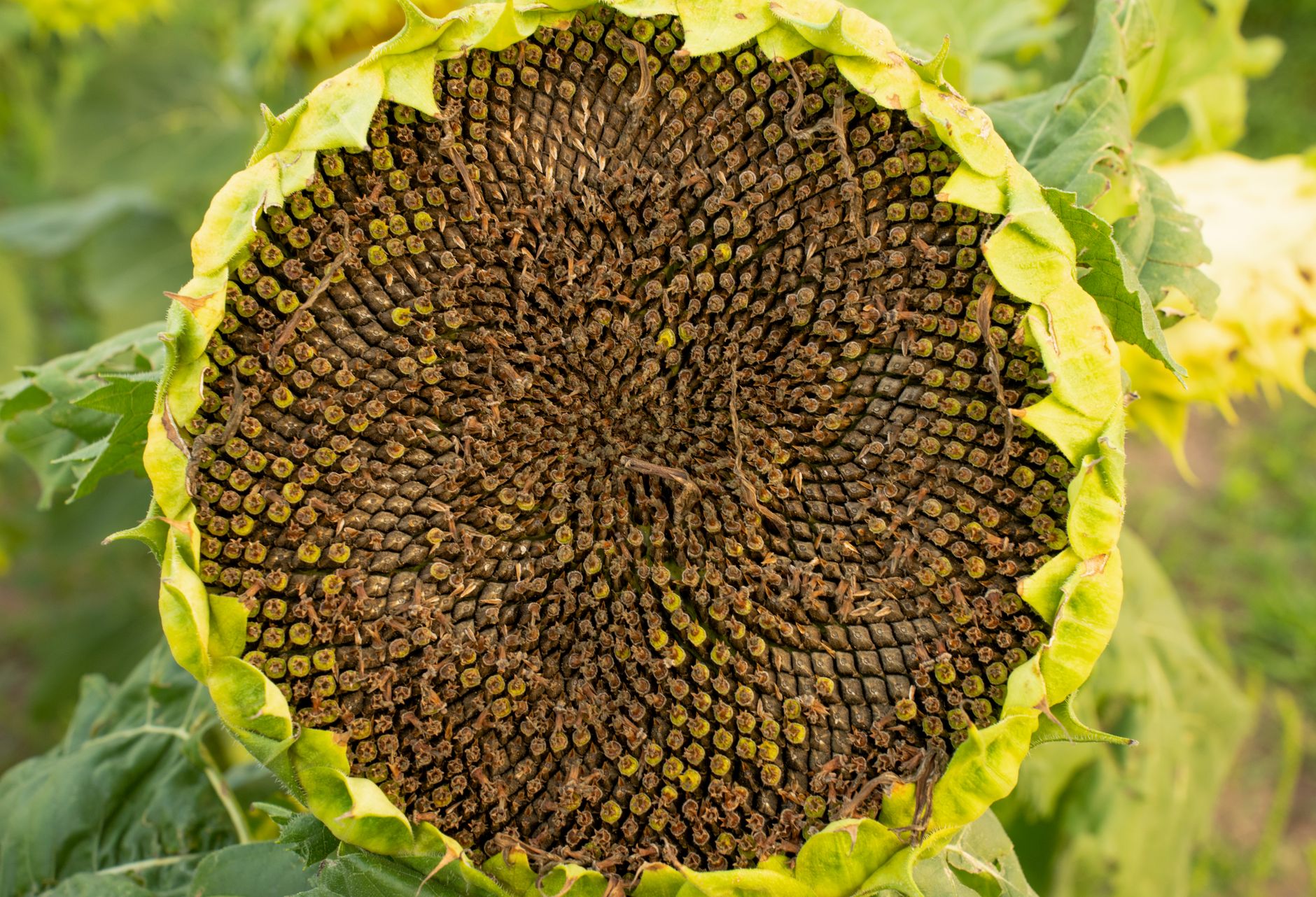
The most reliable early signal is the position and color of the flower head itself. A mature sunflower head droops downward and shifts in color from green to a yellow-brown or tan. This drooping is the plant's natural response to drying and the weight of fully formed seeds, and it happens reliably across most Kenyan growing environments. Do not mistake a head that droops from water stress for one that is mature, so always check alongside the other signs listed here. When you see the droop paired with color change, start watching the plant closely every two to three days.
The back of the head, which is the part facing upward as the head droops, is another clear indicator. It should feel dry and papery to the touch and should have lost its bright green coloration completely. A head that still shows green on the back needs more time, even if the front looks brown. Run your fingers along the surface and you should feel a stiff, almost cardboard-like texture rather than anything firm or spongy. This texture shift means the vascular tissue that was feeding the seeds has shut down. At this point the plant has stopped adding oil and dry matter to the seeds.
Seed bracts, which are the small protective covers surrounding each seed, should loosen noticeably at maturity. If you press your thumb across the face of the head, seeds should separate from the receptacle without much force. Seeds that require hard rubbing are not yet ready. Additionally, most of the small florets that made up the yellow ring of the flower should have dried and fallen off. When fewer than a quarter of those florets remain and the seeds separate easily, you are at or very near the right harvest window. Combine these visual checks with moisture testing for the most accurate decision.
Moisture Content and Timing Windows
Visual signs tell you where the plant is in its cycle, but moisture content tells you whether the seed is safe to harvest, transport, and store. The target range for harvesting sunflower is between ten and fifteen percent moisture content in the seed. Above fifteen percent, seeds stored in bags or sacks will heat up and grow mold within days. Below ten percent, seeds become brittle and crack during threshing, reducing grade at delivery. Hitting that window protects both your storage quality and your buyer grade.
A handheld moisture meter is a practical investment for any farmer growing more than half a hectare of sunflower. These meters are available through several agro-dealer networks in counties like Bungoma, Busia, and Embu, and they pay for themselves quickly in avoided losses. If you do not own one, send a small sample of seeds to your local agronomist for testing, or ask your contract farming support contact for guidance on where to test locally. Knowing the actual number removes guesswork from one of the most consequential decisions of the season.
In dry season conditions common across Narok, Embu, and Tharaka Nithi, moisture drops faster than farmers sometimes expect. Begin checking your crop actively two to three weeks before your expected maturity date, using both visual cues and sample testing. The window can close in just a few days during a warm, dry stretch. One practical tip that experienced farmers use is to avoid harvesting in the morning when dew is still on the plants. Wait until midday or early afternoon, when surface moisture has dried off and your readings and handling quality will both be better.
Harvesting Method and Protecting Seed Quality
How you cut matters as much as when you cut. Use a sharp panga or sickle and leave four to six inches of stem attached to each head. That stub of stem makes the head easier to handle and helps it dry evenly during the curing period. Bruised or crushed seeds from blunt cutting tools crack more readily during threshing, which reduces the market grade of your final lot. Sharpen your tools before harvest starts, not in the middle of it.
Once cut, move heads to a clean, covered, well-ventilated area immediately. Spread them in a single layer or hang them in small bunches stem-up to allow air to circulate around the seed face. A thatched shade structure, a raised drying rack, or even a clean tarpaulin under a tree works well. The goal is five to seven days of final drying before threshing, keeping the heads completely out of rain during that period. This curing step is where many farmers lose quality by rushing, so build it into your harvest plan deliberately.
Thresh only when the seeds are fully dry to the touch and release easily from the receptacle. Manual threshing by rubbing heads together or against a screen is effective for smaller plots. Mechanized threshers speed up the process but set the drum speed carefully to avoid cracking seeds. After threshing, winnow to remove chaff, then move clean seeds into containers that are dry, pest-free, and have never held fertilizer or chemicals. Keeping seeds clean from this point forward protects your grade all the way to the buying point.
Weather Delays and Buyer Communication
Kenya's growing seasons are increasingly unpredictable, and heavy rains arriving close to maturity can push your harvest window back by one to two weeks. Saturated soils and persistent cloud cover slow field drying and raise seed moisture beyond the safe harvest range. The most important thing you can do during these delays is contact your contract buyer early, before the delay becomes a missed delivery date. Buyers who offer guaranteed market access understand weather disruptions, and early communication preserves the contract terms for both sides.
Lodging is another weather-related challenge, especially in areas that experience strong seasonal winds. Lodging means the plant has leaned or fallen over, often because the root system has been compromised by waterlogging or wind stress. Seeds in lodged sections are at much higher risk of ground contact, mold, and bird damage. Prioritize harvesting lodged plants within two to three days of the event, even if the rest of the field is not yet ready. Harvesting slightly early from a lodged section is far better than losing those seeds entirely.
Sunflower Africa's support teams are distributed across multiple counties precisely to help farmers navigate these situations in real time. Whether you are farming in Narok and dealing with early long-rains, or in Busia managing a late flush of humidity, local field staff can advise on adjusted timelines and interim storage options. Fair pricing agreements from responsible contract buyers account for genuine weather delays, provided the communication is transparent and documented. Keep notes on weather events, dates, and any communication with your buyer, as this record protects you if there is ever a dispute about delivery timing or quality.
Post-Harvest: From Field to Fair Price
Once your seeds are threshed, clean, and dry, storage becomes the final variable between a good harvest and a good payment. Keep dried seeds in a cool, dry location where moisture cannot reenter the bags. Ideal storage moisture stays in the ten to fifteen percent range, so if you have access to a moisture meter, check bags again before loading for transport. A well-dried lot that absorbs moisture in a damp store can fail the buyer's moisture test even though it passed at threshing time.
Transport is another quality control moment that farmers sometimes underestimate. Use clean woven polypropylene bags that have not previously held fertilizer, lime, or any chemical input. Contamination from bag residue affects seed smell and can cause a buyer to downgrade or reject a lot. Stack bags carefully in the transport vehicle to avoid splitting, and cover loads if there is any chance of rain during transit. The condition in which your seeds arrive tells the buyer a great deal about how carefully you managed the season.
At the delivery point, insist on a proper inspection and weighing process. A transparent guaranteed market buyer will document the weight, moisture reading, and grade of your delivery and provide you with a written receipt or ticket. Review these figures before you leave the buying station. Keep your delivery receipts alongside records of your planting date, input costs, and yield per acre. These records help you calculate your true profit per season, identify which practices contributed most to your results, and negotiate more confidently the following year. Consistent record-keeping is one of the simplest habits that separates farmers who grow steadily from those who stay stuck in the same cycle.
Getting your harvest timing right is not a single decision made on one afternoon in the field. It is the result of watching your crop through its final weeks, checking moisture, protecting cut heads during drying, and communicating clearly with your buyer at every stage. Farmers who treat these steps as part of their standard practice season after season are the ones who consistently receive the best prices and build the most stable incomes from their sunflower plots. If you would like support at any point in this process, contact our team to speak with a field officer in your county.
See everything Sunflower Africa can do for you.
Visit Sunflower Africa →