Sunflower Harvest: Timing, Techniques, and Getting Fair Prices
Sunflower harvest success depends on recognizing maturity signals—browning heads, brittle bracts, plump dark seeds, and dropping lower leaves—then timing cuts to 12-15% seed moisture while avoiding rainfall. Proper handling with adequate stem length, shallow containers, and sharp tools preserves yield. Fair prices follow from clean, marketable crops and contracted farmer partnerships offering market access.
See everything Sunflower Africa can do for you.
Getting sunflower harvest right is one of the most important decisions a farmer makes all season. You can do everything correctly from planting to crop management, and still lose income by cutting too early, drying poorly, or selling through channels that undervalue your work. This guide walks through the practical steps of harvesting sunflower, from reading your crop's signals to getting a fair price for the final product.
Recognizing Harvest Readiness: Head and Seed Maturity Signs
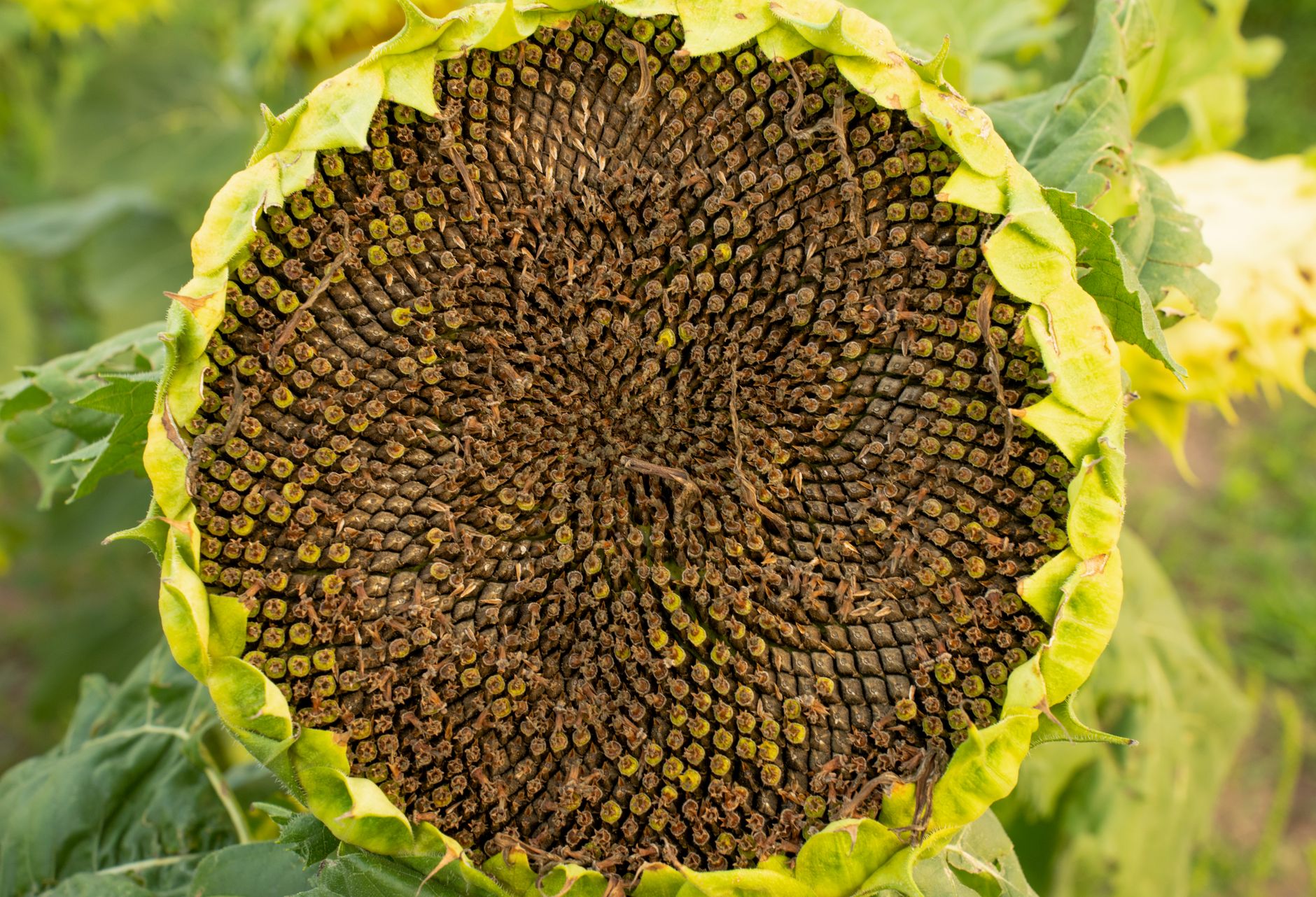
The clearest signal that your sunflower crop is ready to harvest comes from the back of the flower head itself. When the head turns from green to yellow and then to a papery brown, the plant has stopped pushing nutrients into the seeds and maturity is approaching. At this point, the bracts, which are the leafy structures sitting just below the head, will dry out and become brittle to the touch. If you bend a bract and it snaps rather than folding, the plant is telling you clearly that it is ready. Check this across several plants in your field rather than just one or two, because maturity rarely arrives uniformly across an entire plot. A consistent browning pattern across most heads in a section means you can confidently move toward harvest.
Seed condition is the second thing to examine, and it confirms what the head is showing on the outside. Reach into a head and pull out a seed from the middle section, since outer seeds mature faster and can mislead your timing. A mature seed will be plump and dark, with a firm but thin shell that cracks cleanly under light pressure from a fingernail. If the seed feels soft, bends without cracking, or shows a milky interior, it needs more time on the plant. The lower leaves of the stalk also provide a useful signal, because they naturally yellow and drop as the plant channels its last energy into seed fill. When you see these three signs together, the browning head, the brittle bracts, and the dropping lower leaves, your crop is genuinely ready and waiting is only adding risk.
Timing Your Harvest: Avoiding Weather and Crop Loss
Sunflower seeds at harvest should carry a moisture content of roughly 12 to 15 percent, and hitting that window is what separates a clean, marketable crop from one that spoils in storage. Seeds harvested above this moisture level will mold during drying if airflow is poor, and the damage happens faster than most farmers expect. Below 10 percent, seeds become brittle and shatter during threshing and handling, which means real weight loss before the seeds even reach a bag. A simple moisture meter, available at most agrovet shops and from Sunflower Africa's field teams, gives you a concrete number rather than guesswork. Testing several heads from different parts of your field accounts for variation that is normal in any large plot. Getting this measurement right before you cut is one of the highest-return investments of your time during the harvest season.
Kenya's rainfall calendar shapes harvest timing as much as seed biology does. In counties like Bungoma and Busia, the short rains can arrive while crops are still in the field, and wet heads lose quality rapidly when they cannot dry in time. Cutting too early to beat the rains leaves seeds that are not fully filled, reducing both weight and oil content, which affects the price you receive. Cutting too late, hoping for more fill time, can result in an entire harvest sitting in rain for days. Watch the ten-day weather forecast from the Kenya Meteorological Department and plan your cutting to begin at least a week before expected rainfall. A phased harvest, starting with the most mature plots and working across the field over several days, gives you flexibility without gambling your income on a single cut.
Morning harvesting, after the dew has dried but before the afternoon heat builds, reduces seed shattering during cutting and handling. When seeds are slightly warm and the stems are dry, they are less brittle and the heads travel better from field to drying ground without losing grain. In dryland growing zones such as Tharaka Nithi and Embu, another reliable signal is the visible drying of the surrounding soil and the complete browning of the plant stalk down to its base. These dryland environments often produce faster, more uniform maturity, which actually simplifies your timing decision if you read the crop carefully. Whatever your county, combine field observations with weather awareness and you reduce the risk of losing yield you have already grown.
Cutting and Handling: Methods That Preserve Yield
How you cut and move sunflower heads from the field to the drying area matters more than most farmers realize, because damage at this stage is irreversible. Cut each head with roughly 20 to 30 centimeters of stem still attached, because that length of stem gives you something to hold and stack without squeezing the head itself. A head gripped tightly around the seeds during loading is a head losing oil-rich grain to the ground. The stem also helps with stacking and laying heads out for drying, since it props the head at an angle that allows airflow underneath. Carry heads in shallow baskets or crates rather than piling them loosely in sacks, which compress the outer seeds and crush the ones near the bottom. These small handling decisions add up across a full harvest to a meaningful difference in final weight.
Sharp tools are not optional when harvesting sunflower at scale. A blunt knife or a worn sickle tears stems rather than cutting them cleanly, and the vibration and pulling motion shakes seeds from the outer ring of the head before you have even left the field. Sharpen knives and sickles before each harvest day, which takes only a few minutes and saves considerably more time and grain than it costs. Torn stems also attract insects, particularly grain-boring beetles, that can move from cut stems into the seed heads during the drying period. Once heads are cut, move them out of the field promptly and lay them in rows on clean, dry ground or on plastic sheeting well away from pooled water or shaded, damp areas. Elevating heads slightly off the soil surface on wooden poles or wire mesh allows air to circulate underneath, which is the single most important factor in preventing fungal growth during the first 48 hours after cutting.
Drying Without Loss: Temperature, Moisture, and Storage
Proper drying is where many farmers lose value they have already worked hard to produce. In dry counties like Tharaka Nithi and Embu, sun-drying for two to three weeks on a cleared, well-ventilated surface is generally enough to bring seeds to storage moisture. In more humid growing zones, including parts of Bungoma and Busia, extend drying to four weeks and pay close attention to the underside of each head, where moisture lingers longest. Raise heads off the ground even during drying, using any clean surface that allows air movement beneath them. Direct contact with soil introduces moisture and fungal spores at exactly the point when your seeds are most vulnerable. Building a simple raised platform from poles and chicken wire costs very little and protects a significant portion of your yield.
Turn the heads every two to three days during drying so that the underside, which faces away from sunlight, also dries evenly. A head that looks dry on top but remains soft underneath will develop mold inside once it is threshed and bagged, and by the time you see the problem the damage is already done. Threshing should wait until the seeds genuinely do not bend or compress when you press them between your fingers. Soft or flexible seeds are not dry enough, and threshing them early leads to damaged seeds that absorb moisture faster in storage. After threshing, winnow the seeds cleanly and check moisture again if you have a meter available before bagging. Store in cool, dry conditions, in clean bags or sealed containers away from insects and rodents, and inspect stored grain at least once every two weeks until it reaches the buyer.
Getting Fair Value: Direct Market Access Without Middlemen
Preparing your sunflower seeds to a buyer's specifications is the straightforward work that most farmers skip, and it is often the difference between a standard price and a premium one. Buyers who purchase sunflower for oil processing need seeds that are clean, free of debris and stones, uniform in moisture content, and undamaged by poor handling or pest activity. Taking the time to winnow well, remove broken seeds, and confirm moisture before delivery is not extra effort. It is the step that turns good farming into good income. A clean, well-presented delivery also builds trust with a buyer, which matters for access to contracts in future seasons.
Middlemen in the sunflower supply chain take a cut of your income at each step, and they do it whether the price is high or low. Working directly with a certified buyer who offers a guaranteed price before the season begins removes that uncertainty from your planning entirely. Sunflower Africa's contract farming model connects farmers directly to a guaranteed market, with pricing agreed in advance so that your harvest decision is not made under pressure from traders offering whatever they choose on the day you arrive with your crop. This is especially important in years when spot market prices fall just as the main harvest arrives, which is not a coincidence. Direct relationships also mean that quality feedback reaches you clearly, so you improve with each season rather than hearing complaints secondhand.
Our network across Narok, Bungoma, Busia, Tharaka Nithi, Embu, and additional counties means that fair pricing is not limited to farmers close to one collection point. Field teams in each county work with farmers on grading, drying checks, and delivery logistics so that distance does not reduce your access to the same prices other farmers receive. Bringing your seeds to buyer specifications, and connecting with a market that values them correctly, is the final step in a harvest that you have invested an entire season in growing. It deserves the same attention you gave to planting, weeding, and pest management.
A sunflower harvest done well is the result of reading your crop accurately, moving quickly but carefully at the right moment, drying with patience, and selling through a channel that treats your work fairly. Each of those steps builds on the one before it, and none of them has to be done alone. If you have questions about timing, grading, or accessing a guaranteed market for your sunflower this season, reach out to the nearest Sunflower Africa office and talk to a field officer who knows your area and your crop.
See everything Sunflower Africa can do for you.
Visit Sunflower Africa →