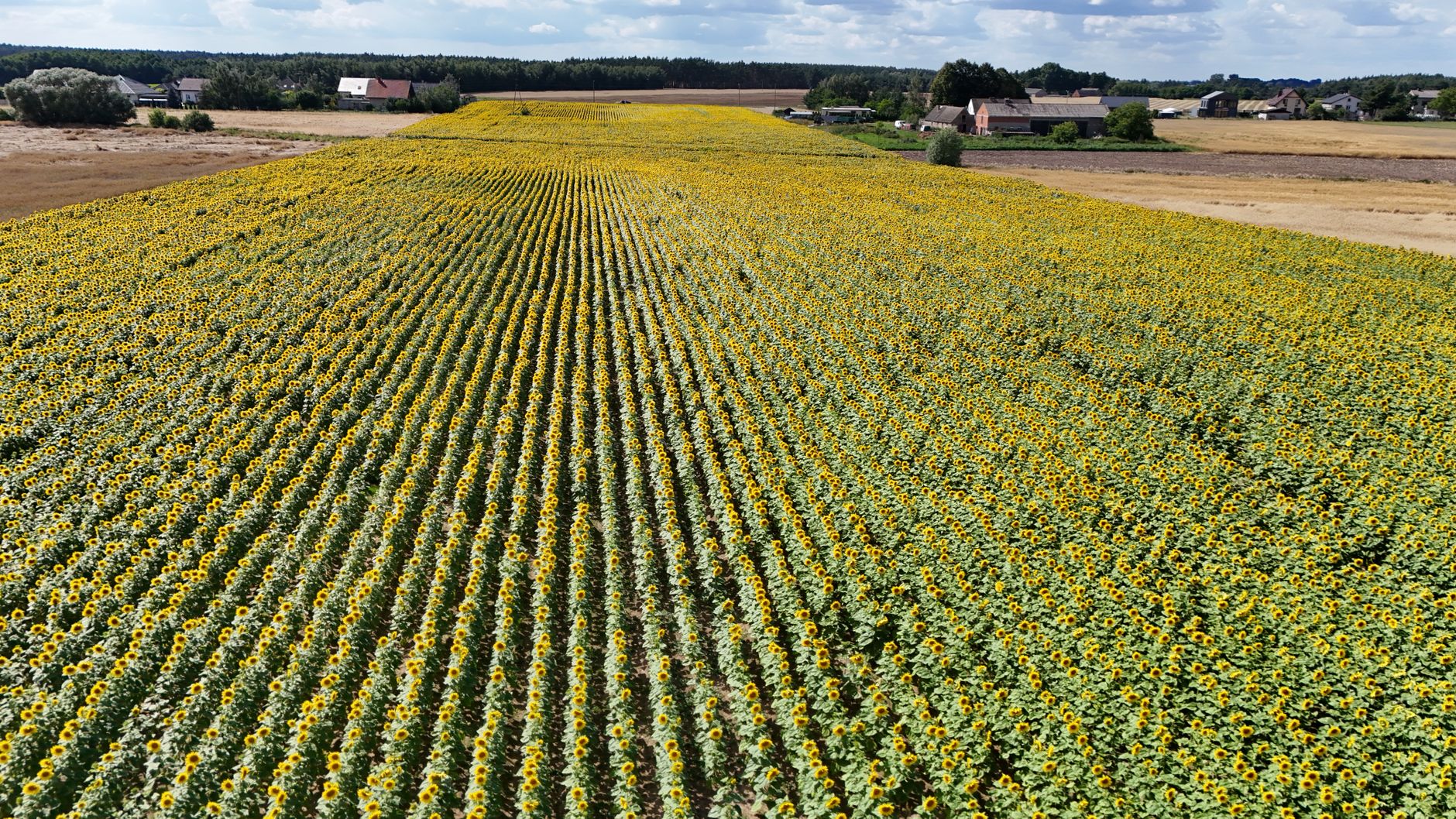
Sunflower Intercropping: Boost Yields With Compatible Crops
Intercropping is one of the most practical tools a sunflower farmer in Kenya can reach for, and yet it is still underused on many smallholder plots. When you pair sunflowers with the right companion crops, the same piece of land can deliver better soil health, lower pest pressure, and income from more than one harvest in a single season. The sections below walk through which crops work best alongside sunflowers, how to lay out your field, and how farmers across our network are putting these ideas to work.
Why Intercrop With Sunflowers
Sunflowers grow tall and relatively upright, which means they leave a great deal of lateral space unused at ground level, especially during the early weeks of the season. Planting a compatible crop in that space turns what would otherwise be idle soil into productive ground. A farmer working two or three acres in Bungoma or Embu can effectively harvest from a larger area without acquiring additional land. Over time, that efficient use of space compounds into meaningful gains in annual output.
Crop diversity is also one of the most reliable natural buffers against pest and disease buildup. When a field carries only one crop, a single pest species can spread unchecked from plant to plant across the entire plot. Introducing a second crop breaks up that uniformity and disrupts the movement and feeding cycles of many common pests. Sunflower head moths and aphids, for example, tend to be less destructive in diverse plantings than in monocultures. This does not eliminate the need for scouting and management, but it does reduce pressure meaningfully.
Legume companions bring a specific and well-documented benefit to any sunflower field: they fix atmospheric nitrogen and deposit it in the soil through their root nodules. Beans and groundnuts planted alongside sunflowers can improve soil fertility for the current season and leave the ground in better condition for the next planting. This natural fertility boost can reduce the volume of synthetic fertilizer a farmer needs to apply. For farmers working on a tight input budget, that saving matters at every season's end.
Finally, intercropping spreads financial risk across more than one crop. If sunflower prices soften in a particular season, income from beans or maize on the same plot cushions the impact. Having two or three revenue streams from one field gives a household more stability than depending on a single commodity. That kind of risk-spreading is especially valuable in counties where rainfall can be variable and any one crop faces uncertainty.
Best Intercropping Partners for Sunflowers
Beans and Pulses
Beans are among the most compatible companions a sunflower farmer can choose, largely because of their nitrogen-fixing ability. As sunflowers draw heavily on phosphorus and potassium, beans work alongside them by enriching the soil with nitrogen rather than competing for the same nutrients. Bush bean varieties are particularly suitable because they stay low and do not compete for light once sunflowers reach full height. A farmer in Tharaka Nithi planting climbing beans should select a shorter, bushier variety specifically to avoid light competition. The resulting soil after a bean-sunflower season is measurably better than after sunflower alone.
Maize
Maize and sunflowers are a traditional pairing across many parts of sub-Saharan Africa, and the logic behind the combination is straightforward. Both crops are tall, but they tend to develop their canopies at slightly different heights and widths, allowing them to share vertical space without fully shading each other. Labor efficiency improves because many field operations, including weeding and harvesting, can be timed to cover both crops in the same pass. In higher-rainfall counties like Bungoma and Busia, the combination performs particularly well because both crops respond strongly to adequate moisture. Farmers who already grow maize will find the transition to intercropping familiar and low-risk.
Groundnuts
Groundnuts develop their root systems at a shallow to moderate depth, while sunflower taproots reach deeper into the soil profile. This difference in root architecture means the two crops draw water and nutrients from different soil layers, keeping direct competition low. In drier counties such as Narok and Tharaka Nithi, that separation is especially valuable because every centimeter of soil moisture counts. Groundnuts also fix nitrogen, adding the same soil-building benefit that beans provide. After harvest, groundnut shells and vines returned to the field contribute organic matter that improves soil structure over successive seasons.
Herbs and Leafy Greens
Quick-growing vegetables such as spinach, kale, or coriander can be planted between sunflower rows and harvested before the sunflower canopy closes and shades them out. This timing-based intercrop effectively turns the early weeks of the sunflower season into a second income window without disrupting the main crop. A farmer with access to a local market or vegetable buyer can sell greens while waiting for the sunflower harvest months later. The key is to choose varieties with a short growing window of four to eight weeks and to plant them immediately after sunflower establishment. Once the sunflowers reach about knee height, the leafy crops should already be nearing or past their harvest point.
Planning Your Intercrop Layout
Row spacing that works for a sunflower monoculture is often too narrow to support a productive intercrop. When you plan to grow a companion crop, sunflower rows should be spaced wider, typically ninety centimeters to one meter apart, to give companion plants access to light and air. That extra room makes a real difference to bean or groundnut yields, which can drop sharply if they are crowded by sunflower stems. Wider spacing also makes mechanical weeding more practical and reduces the humidity that can encourage fungal disease in dense plantings. Do not reduce sunflower plant-to-plant spacing to compensate; keep that at the recommended distance for your certified variety.
Staggering planting dates is a simple technique that makes harvest management much easier. If you plant beans two to three weeks after your sunflowers, their maturity window shifts, and you will not be harvesting two crops simultaneously during the same labor-intensive peak. For households with limited family labor or small hired-labor budgets, this staggering can mean the difference between a manageable harvest and an overwhelming one. It also allows you to apply post-emergence inputs to each crop at its own correct growth stage rather than trying to serve both crops at once. Think through the calendar before you plant and mark the expected harvest dates for each crop.
Choosing companion crops that have clearly different maturity periods from your sunflower variety removes much of the guesswork from timing. A sixty-day bean variety planted alongside a ninety-five-day sunflower means the beans come off the field before the sunflower enters its critical grain-fill stage. During that late sunflower period, you can direct all remaining inputs and attention to the main crop without dividing your resources. Matching the companion's calendar to your sunflower variety is therefore just as important as matching it to your soil type. When you collect certified seeds from our offices, ask about the days-to-maturity for the sunflower variety you are buying and plan your companion selection around that figure.
Shading is the most common mistake farmers make when they set up an intercrop layout for the first time. Sunflowers can reach two meters or more at full height, and their broad heads cast meaningful shadows, particularly in the late afternoon. Planting shorter companion crops on the western side of north-south sunflower rows exposes them to more morning light and less shadow. For east-west oriented rows, leaving a slightly wider buffer on the southern edge gives companions better light access. A simple walk through your field at midday during the sunflower's tallest growth stage will show you exactly where the shade falls and where adjustments are needed.
Intercropping Across Kenya's Counties
Bungoma and Busia
The higher and more reliable rainfall in Bungoma and Busia makes maize-sunflower intercropping a natural fit for farmers in those counties. Both crops respond well to the moisture levels typical of the region and can be managed on a similar irrigation-free schedule. The soils in many parts of these counties also have the organic matter content that supports productive maize stands alongside sunflowers. Farmers in our Bungoma and Busia network have used this combination to increase total farm income without expanding their planted area. If you are farming in either county and want guidance on spacing and variety selection, our local offices can provide support specific to your soil block.
Narok
Narok sits in a semi-arid zone where rainfall is less predictable and water management becomes a central part of every planting decision. Sunflower-bean intercropping works well here precisely because sunflowers are drought-tolerant and beans can be chosen in short-season varieties that complete their growth before the driest part of the season. Planting along contour lines and using tied ridges to capture runoff makes a meaningful difference to how much moisture both crops can access. Farmers in Narok who have adopted this combination report that the bean income during a difficult sunflower season has sometimes been the margin that kept their household finances stable. Strategic water use is not optional in this county; it is the foundation of any successful intercrop plan.
Tharaka Nithi and Embu
Groundnut-sunflower pairings have shown strong results in the dryland areas of Tharaka Nithi and Embu, where both crops share a tolerance for lower moisture availability. The two crops also share similar planting-season windows, which simplifies field preparation and input scheduling for a farmer managing limited time. Groundnut yields in this pairing have been consistent enough that several farmers in our Tharaka Nithi network have built groundnut sales into their annual income planning alongside their sunflower contracts. Embu's slightly more varied rainfall across different sub-locations means farmers there should check with our local team about which specific groundnut variety performs best in their area. The broader principle holds across both counties: pair crops with similar drought tolerance and different root depths.
Matching Combinations to Your Local Climate
No single intercrop combination works identically in every part of Kenya, and local variation in soil type, altitude, and seasonal rainfall patterns matters more than general advice. A pairing that thrives in Busia's deep loam soils may underperform on the shallow, rocky soils found in parts of Narok. Before committing to an intercrop plan, talk to other farmers in your specific location who have tried the combination, and cross-reference their experience with advice from our county offices. Sunflower Africa's field teams work directly in these counties and can advise on combinations that have been tested locally rather than just recommended in general literature. Getting that local input before you plant is one of the fastest ways to avoid a costly mismatch between crop choice and actual growing conditions.
Managing Inputs and Harvest With Intercrops
Fertilizer application requires more thought when a nitrogen-fixing legume is part of the system. Applying high-nitrogen fertilizer directly to a bean or groundnut row suppresses the plant's own nitrogen-fixing activity, which means you lose the primary benefit of growing that companion crop. Instead, apply basal fertilizer in the sunflower planting furrow and keep it away from legume roots. For top-dressing, focus nitrogen applications on the sunflower rows rather than broadcasting across the entire field. This targeted approach saves money and preserves the soil-enriching work your companion crop is doing for free.
Pest scouting needs to cover both crops throughout the season, not just the sunflowers. Some pests that would normally concentrate on a monoculture will shift to the companion crop when the field becomes diverse, and a new problem on your beans or maize can develop quickly if you are not watching. Check both crops on the same weekly scouting walk rather than treating them as separate activities. Record what you find so that you can track whether pest pressure is building or declining over time. A simple notebook with dates and observations is enough to spot patterns and respond before damage becomes serious.
Harvest timing in an intercrop system requires planning from the very beginning of the season. When two crops mature close together, you may face a situation where beans need to be shelled at exactly the same time your sunflower heads are ready to cut, and doing both well with limited labor is genuinely difficult. Staggering planting dates, as discussed in the layout section, is the primary tool for managing this, but you should also have a clear plan for hired labor if your household cannot cover the workload alone. Line up any casual labor arrangements before the season peaks rather than looking for workers when everyone else is also harvesting. A missed harvest window on either crop is an avoidable income loss.
Keeping clean and separate records for your certified sunflower seed and any certified companion crop seed is important for both agronomic and commercial reasons. Buyers and contract farming agreements increasingly require documentation of seed source, and a farmer who can produce those records is in a stronger position during delivery and payment discussions. Store seed bags with their labels intact, note the lot numbers in your farm records, and keep receipts from any input purchases. This practice also helps you track which seed varieties performed best on your specific plot so that you can make better choices in the following season.
Market Benefits of Intercropping
A farmer who delivers certified sunflower produce and can also offer clean, sorted beans or groundnuts is a more valuable supply partner than one selling a single commodity. Buyers working through contract farming arrangements often prefer suppliers who can provide multiple products because it reduces their own sourcing complexity. Building a reputation for consistent quality across more than one crop strengthens your position when contract terms are discussed at the start of each season. That stronger position can translate into better pricing or priority access to markets when supply is tight. Reliability and product range matter to buyers just as much as volume.
Spreading sales across two or three crops also reduces your exposure to price volatility in any single market. If sunflower prices are under pressure in a particular season due to national supply conditions, income from a healthy bean or maize harvest on the same plot keeps cash flowing into the household. This kind of on-farm diversification does not require a farmer to take on new land or new risks; it simply makes better use of what is already being planted. For farmers in our network who sell through our guaranteed market channel, having additional crops to sell locally or through other buyers adds another income layer on top of that guaranteed sunflower income.
Increasing per-acre income without a proportional increase in input costs is one of the most direct financial benefits of well-planned intercropping. The additional companion crop shares the land preparation, weeding, and some of the irrigation or water-harvesting effort already invested in the sunflower plot. The marginal cost of adding, for example, a bean crop on established sunflower rows is primarily seed and a modest amount of additional labor. Against that small additional investment, a farmer can generate an extra harvest worth tens of thousands of shillings per acre in a good season. That return on marginal investment is what makes intercropping compelling even for farmers who are already satisfied with their sunflower yields.
Sunflower Africa works with farmers across our network counties to connect produce to buyers, and that support extends to helping you think through where intercrop products fit in your overall farm business. Talk to our team at your nearest county office about what companion crops are selling well locally and whether our buyer relationships include markets for your intercrop harvest. Learn more about our contract farming services and how we support farmers from seed selection through to sale. We are here season after season, and we want every acre in our network to work as hard as possible for the farmers who tend it.
Getting the most from your sunflower farm does not always mean farming more land. It often means thinking more carefully about how every row, every season, and every input works together to produce the best outcome. Intercropping is one of the most accessible ways to move in that direction, and with the right companion crops matched to your county's soil and rainfall, the results can show up clearly in your next harvest income. If you are ready to try an intercrop combination this season, start with one section of your field, observe closely, and build from what you learn.