Get Sunflower Moisture Content Right Before Storage in Kenya
Bagging sunflower seeds before they are fully dry is one of the most expensive mistakes a farmer can make after harvest. Moisture trapped inside a bag creates the exact conditions mould and aflatoxin need to destroy your produce before it ever reaches a buyer. You will learn the safe moisture range for sunflower seeds, how to measure it accurately, and the drying and storage steps that protect your price at delivery.
See everything Sunflower Africa can do for you.
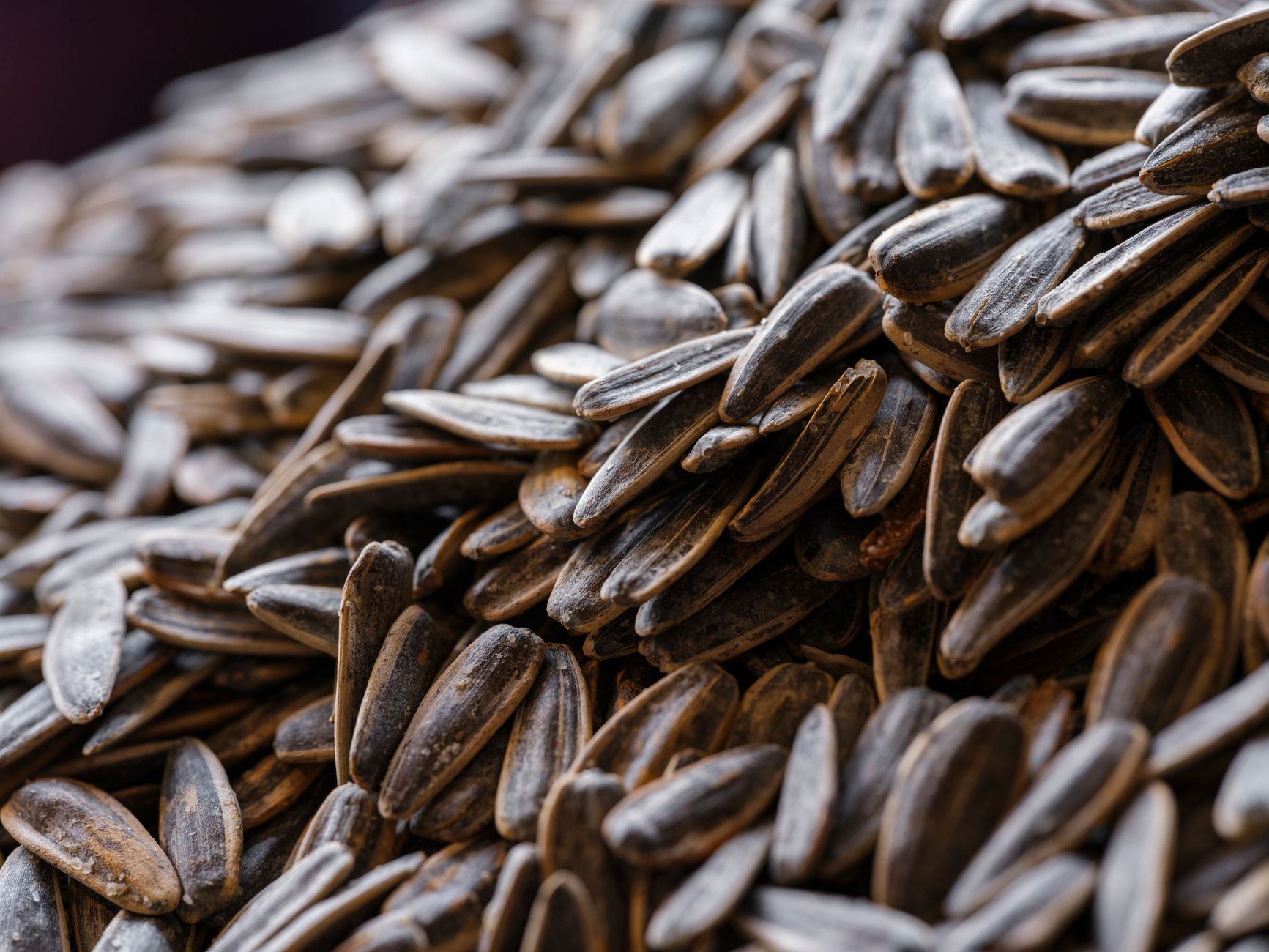
Every step you take after harvest shapes how much money you walk away with at the end of the season, and nowhere is this truer than with sunflower moisture content storage kenya. When you bag seeds before they are properly dry, you are locking in the conditions that mould, aflatoxin, and bacteria need to destroy your produce from the inside out. Buyers and certified aggregators across Kenya test moisture levels before they accept a single kilogram, and they have the equipment and authority to turn your truck away at the gate. Understanding the safe moisture range, how to measure it accurately, and how to maintain it through storage is as important as the planting and harvesting work that came before it. If you are serious about sunflower post-harvest storage kenya, moisture management is the non-negotiable first chapter of that story. Getting this one number right protects your income, your reputation with buyers, and the hard work of every season.
Why Sunflower Moisture Content Storage Kenya Matters for Your Price
Buyers and aggregators across Kenya use calibrated moisture meters at every delivery point, and any batch that tests above the accepted threshold faces an immediate price deduction or an outright rejection. These deductions are not small, and farmers regularly lose between ten and thirty percent of their expected payment because moisture was not checked before loading. When the buyer docks your price, you have no recourse because the reading is objective and recorded at the point of delivery. The financial loss from a single bad batch can cancel out months of careful crop management, which makes moisture monitoring one of the highest-return activities you can invest time in. Building a habit of testing before you bag rather than at the delivery point is the single most effective change most Kenyan sunflower farmers can make to protect their seasonal income.
Mould and aflatoxin develop rapidly inside damp sunflower seeds, and they do their worst damage in the sealed, warm environment of a poorly dried bag. Aflatoxin contamination renders an entire batch unsafe for human and animal consumption, and no reputable buyer will accept contaminated grain even at a reduced price. The problem is invisible in its early stages, which is why many farmers do not realize the damage until they open bags at the delivery point and find grey or green fungal growth throughout. At that stage there is nothing to recover, and the financial and reputational damage follows the farmer into the next season. Sunflower moisture content storage kenya practices that prioritize drying before bagging are the only reliable way to prevent this outcome.
Proper sunflower post-harvest storage kenya practices start with moisture management before the bag is ever sealed, and everything that follows, from stacking to ventilation to inspection schedules, depends on having achieved the right moisture level at that initial stage. Farmers who treat drying as an optional or shortened step are building their storage on an unstable foundation, because the seeds carry the problem with them into the bag, into the store, and finally into the buyer's hands. Counties like Bungoma, Busia, and Embu experience high post-harvest humidity, which makes skipping the drying step even more costly in those regions. Getting moisture right is not one task among many in the post-harvest process. It is the task that makes all the others meaningful and financially worthwhile.
The Safe Moisture Range for Sunflower Seeds
Sunflower seeds intended for bagging and storage must reach a moisture content of between eight and ten percent before they are sealed. This range is widely accepted by Kenyan buyers, certified aggregators, and quality assurance bodies as the threshold below which fungal activity slows dramatically. Seeds at eight percent moisture are stable and resistant to mould even in moderately warm storage conditions, while seeds at ten percent are acceptable for storage periods of up to three months when storage conditions are well managed. Anything above ten percent requires careful monitoring and ideally more drying time before the bag is closed, because the margin for error narrows quickly as moisture rises beyond that point. Farmers who understand this range and use it as a firm target consistently achieve better outcomes at the delivery gate than those who rely on visual or tactile judgements alone.
Seeds sitting at twelve percent moisture or higher are at serious risk of fungal colonization within just a few weeks, and often much sooner in humid counties like Busia or during the long rains. The fungus does not need much to get started, since warmth, a closed environment, and seeds that are not fully dry are all it needs to spread from seed to seed and eventually through the entire bag. Farmers in areas with naturally high ambient humidity should aim for the lower end of the safe range, targeting nine percent or below, precisely because storage conditions will apply upward pressure on effective moisture levels over time. Understanding this dynamic means you are not just drying to a number but drying with a buffer that protects your batch throughout its time in storage. That buffer is especially important for farmers who plan to hold grain beyond the two-month mark before selling.
Different intended storage periods genuinely require different moisture targets, and recognizing this helps you plan your drying effort more precisely. If you plan to sell within four to six weeks of harvest, seeds at ten to eleven percent may remain within acceptable limits provided your storage space is cool and well ventilated. For storage beyond three months, which is common among farmers who choose to wait for better prices, the eight to nine percent range is necessary to protect quality throughout that longer window. Most Kenyan buyers and certified aggregators reject batches that test above twelve percent moisture without exception, and some buyers working to export standards set their rejection threshold even lower. Knowing your buyer's specific threshold before you begin drying helps you choose a moisture target that gives you confidence at delivery.
How to Measure Sunflower Moisture Content Accurately
Portable moisture meters are the fastest and most practical measurement tool available to Kenyan farmers, and a quality grain moisture meter costs between three thousand and eight thousand shillings depending on the brand and features. This is a one-time purchase that pays for itself after a single avoided rejection, since the savings from one accepted batch far exceed the cost of the meter. The meter gives you a reading within seconds and allows you to test multiple samples across your drying pile before you make any bagging decisions. Many farmer groups and cooperatives in counties like Narok and Tharaka Nithi are now pooling resources to own shared moisture meters that members can borrow during the critical post-harvest window. If buying individually is not possible right away, approaching your local cooperative or aggregator about access to a shared meter is a practical first step that costs nothing.
Testing multiple samples from different points in your drying pile is essential because sunflower seeds dry unevenly, and the top layer is almost always drier than the seeds underneath. A single reading from the surface can give you a false sense of confidence while wet pockets remain buried below, and those wet pockets are exactly where mould takes hold first. Take at least five samples from different depths and horizontal positions across your drying surface, and use the average of those readings as your guide for bagging decisions. If any single reading is above twelve percent, continue drying until every sample consistently reads within the safe range before you seal any bag. Sunflower moisture content storage kenya recommendations always emphasize sampling discipline because a single wet sample is enough to nucleate mould growth across an entire bag.
The oven drying method is a free alternative for farmers who do not have access to a moisture meter, and it produces accurate results when done carefully. You weigh a small sample of seeds before placing them in an oven or on a metal tray over a consistent heat source, then weigh them again after heating at approximately 105 degrees Celsius until the weight stops changing between readings. The difference in weight divided by the original weight, expressed as a percentage, gives you the moisture content. This method takes several hours and requires a reliable scale, but it can be done at home with basic equipment and no additional cost beyond firewood or electricity. After bagging, test again three days into storage because moisture levels sometimes shift slightly as seeds settle and redistribute internally.
Keeping written records of every batch's moisture reading, testing date, and storage location is a practice that separates organised farmers from those who are always caught off guard at the delivery point. Good records also build your credibility with buyers because you can demonstrate that your storage practices are consistent and traceable over multiple seasons. At Sunflower Africa, we encourage farmers across all our county networks to maintain simple logbooks for post-harvest quality data, and buyers respond positively when farmers can show that documented history. A paper record costs nothing to maintain and communicates a level of professionalism that influences how buyers treat your batches at the delivery point. Starting this habit even mid-season pays dividends immediately and compounds in value over time.
Best Drying Practices to Reach Target Sunflower Moisture Levels
Spreading seeds in a thin, even layer on a clean tarpaulin or on raised drying beds in direct sunlight is the most accessible and cost-effective drying method for most Kenyan smallholder farmers. The layer should be no more than five to eight centimetres deep so that sunlight and airflow can reach seeds throughout the pile rather than just at the surface, which is where surface-only drying creates a false impression of readiness. Five to seven full sunny days are usually sufficient to bring freshly threshed sunflower seeds down to the target moisture range under the conditions common in counties like Narok, Embu, and Tharaka Nithi. Farmers near Lake Victoria in Busia county should account for higher ambient humidity and allow additional drying time as a precaution, since the air in that region rarely provides the same drying power as drier inland zones. Starting the drying process as soon as possible after threshing reduces the window for mould to gain a foothold before seeds reach the safe range.
Turning seeds every two to three hours during daylight hours is not optional, and it is one of the most important physical actions you take during the drying period. Seeds that sit undisturbed develop hot spots on the surface while the interior remains damp, and those damp interior seeds do not dry at the same rate as the ones exposed to direct sun. A simple hand rake or a wooden stick works well for turning, and the task takes only a few minutes for a typical smallholder batch. Building this turning routine into your daily schedule during the drying period makes the process consistent and reduces the risk of missing wet spots that could compromise the entire batch. Farmers who dry seeds on raised wire mesh beds benefit from natural airflow below the seeds, which reduces the frequency of turning needed and speeds the overall drying process.
Bare ground is one of the worst surfaces on which to dry sunflower seeds, and yet it is among the most common choices because it requires no additional materials. Moisture from soil moves upward through the seed pile by capillary action, particularly in the morning when ground temperature rises faster than air temperature, undoing progress made during the previous afternoon's drying. Soil also carries bacteria and fungal spores that contaminate seeds during drying and contribute to storage problems later. A basic woven polypropylene sack split open and laid flat, or a clean canvas tarpaulin, breaks the contact between seeds and the ground without any significant cost. This single change in practice can meaningfully improve the moisture outcomes you achieve by the end of the drying period and adds no meaningful labour to your post-harvest work.
Mechanical driers, which use fuel or electricity to circulate heated air through seed batches, reduce drying time to two to three days and offer more control over the final moisture level. They are particularly useful in counties where rainfall during the harvest season makes outdoor sun drying unreliable, and farmers in those zones sometimes cannot afford to wait for several consecutive sunny days. However, the operating cost is significant, and they are generally practical only when a farmer's batch is large enough to justify the investment or when drying is being done at a cooperative level with cost shared among members. If outdoor drying consistently leaves your seeds above twelve percent moisture even after seven days, mechanical drying is the practical solution rather than continuing to hope for better weather. Approaching a cooperative or aggregator in your county about access to shared mechanical drying facilities is worth the conversation if your location makes sun drying unreliable.
Storage Conditions That Preserve Moisture Levels
Even seeds that reach the target moisture range before bagging can reabsorb moisture from their storage environment if conditions are not properly managed. Bags stored in direct sunlight experience cycles of warming and cooling that cause internal condensation, and that condensation raises effective moisture levels within the bag over time in ways that are difficult to detect until the damage is already done. A cool, dry storage space that maintains temperatures below fifteen degrees Celsius and relative humidity below sixty-five percent provides the stable environment that prevents this moisture creep. Many Kenyan farmers store in rooms that are accessible and convenient but not optimally conditioned, so a practical improvement is as simple as closing windows during humid nights and opening them during dry, warm midday hours. These small adjustments in ventilation habits cost nothing and extend the protective effect of your initial drying work.
Stacking bags on wooden pallets rather than directly on concrete floors is a low-cost practice that makes a measurable difference in moisture outcomes during long-term storage. Concrete floors conduct ground moisture upward through the bag material, especially in regions with high water tables or during the wet season, and bags resting directly on concrete absorb that moisture steadily over weeks. A gap of at least ten centimetres between the bottom of your stack and the floor allows air to circulate freely under the bags and prevents this moisture wicking from undermining your carefully dried batch. Pallets are reusable season after season, making them a practical one-time investment for any farmer who stores grain regularly. Even recycled timber pieces arranged as a simple platform serve the same purpose when commercial pallets are not available, and the cost of finding such timber is almost always less than the cost of one rejected batch.
Leaving small gaps between stacked bags allows air to circulate laterally through the storage stack and carry away any moisture that builds up between tightly packed bags. A common mistake is stacking bags as tightly as possible to maximise use of floor space, which traps warm, moist air in pockets between bags and accelerates mould growth at those contact points in ways that are not visible from the outside. Inspecting bags every week during the first month of storage, when mould risk is highest, allows you to catch condensation or a musty smell before the problem spreads to neighbouring bags. If you detect either sign, remove the affected bags immediately, spread seeds to re-dry, and identify the source of the moisture problem in your storage environment before re-bagging. Catching a problem in week one and correcting it costs far less than discovering it at the delivery gate after months in storage.
Common Mistakes That Ruin Sunflower Moisture Content Before Delivery
Bagging seeds while they are still visibly damp, often done to save time during a busy post-harvest period, is the single most predictable cause of total batch loss among sunflower farmers in Kenya. The logic of saving a few days' drying time does not survive contact with the reality of what happens inside a sealed bag of damp seeds over three to four weeks, because heat builds, moisture concentrates, and mould consumes the batch from the inside out in a process that is both complete and irreversible by the time most farmers open the bag. No buyer will purchase a mouldy batch, and no amount of explanation changes a moisture meter reading at the delivery point. The time and effort you invested in planting, weeding, and harvesting all become worthless in this scenario, which is why drying fully before bagging must be treated as a rule rather than a suggestion. The time you save by bagging early is never worth the income you forfeit at the gate.
Mixing dried and partially dried seeds in one bag is another mistake that creates the conditions for mould even when a significant portion of the seeds were correctly dried. Wet seeds transfer their moisture to neighbouring dry seeds through contact and shared air inside the sealed bag, and the result is a bag whose effective average moisture is higher than any single sample would suggest before sealing. Keep dried seeds and partially dried seeds in completely separate areas during processing, and finish drying all seeds from a given batch before mixing them into storage containers. Labelling separate piles clearly during the drying process costs nothing and prevents the kind of accidental mixing that ruins otherwise well-managed batches. Sunflower moisture content storage kenya best practice treats each batch as a discrete unit with its own drying timeline and its own moisture verification before bagging.
Storing bags in damp rooms or near water sources, even when the seeds were at the correct moisture level at the time of bagging, allows humidity from the environment to re-enter bags gradually through the bag material over weeks and months. Woven polypropylene bags are not fully moisture-proof, and in a room with high relative humidity they will slowly equilibrate to the surrounding air, erasing the careful drying work you did before sealing. Storerooms used for sunflower should not double as bathrooms, washing areas, or spaces where water is regularly present, because the ambient moisture in such rooms is consistently higher than the safe storage threshold. If your only available storage space has known damp problems, line the inner walls with plastic sheeting and place a bucket of dry wood ash or agricultural lime in a corner to absorb ambient moisture. These are simple, affordable measures that extend the protective window your initial drying work created without requiring structural changes to your storage building.
Delaying moisture testing until delivery day eliminates any opportunity to correct a problem before it becomes a costly rejection, and this delay is one of the most common and avoidable mistakes in Kenyan sunflower post-harvest management. Testing takes fifteen minutes with a portable meter, and doing it at least three times before delivery, at bagging, after one week in storage, and two days before loading, gives you a reliable picture of how your batch is holding its moisture level across the storage period. Farmers who test only at the point of sale are essentially gambling that the storage environment was good enough throughout the weeks between bagging and delivery. That gamble does not always pay off, and the consequences at the delivery gate are immediate and financially painful with no mechanism for appeal or recovery. Spacing your testing across the storage period gives you the information you need to intervene while intervention is still possible.
Getting moisture right before the bag is sealed is one of the most practical and high-impact decisions you will make in your entire post-harvest process, and it is a step that is fully within your control regardless of where you farm in Kenya. The safe range of eight to ten percent is achievable with proper sun drying, regular turning, clean drying surfaces, and a moisture meter or oven test to confirm your work before any bag is closed. When you deliver grain that consistently meets moisture standards, buyers trust you, reject fewer batches, and are more likely to offer the fair pricing you deserve for your seasonal effort. Sunflower Africa works directly with farmers across Narok, Bungoma, Busia, Tharaka Nithi, Embu, and additional counties to support good post-harvest practices exactly like these, because the quality of what arrives at the delivery point reflects the quality of every step taken after harvest. Taking the time to dry your seeds fully, test them accurately, and store them correctly is not extra work. It is the work that protects everything else you have already done, and season after season, the farmers who manage moisture well are the farmers who earn fair prices and build lasting relationships with buyers, an outcome that begins with one careful, measurable step before the bag is ever closed.
See everything Sunflower Africa can do for you.
Visit Sunflower Africa →