Sunflower Pricing in Kenya: How Fair Contracts Protect Your Farm
Sunflower prices in Kenya fluctuate due to global oil markets, seasonal supply gluts, and middlemen markups. Contract farming agreements lock in prices before planting, eliminating price uncertainty and protecting farmers' income across regions like Narok, Bungoma, and Tharaka Nithi from harvest-season volatility.
See everything Sunflower Africa can do for you.
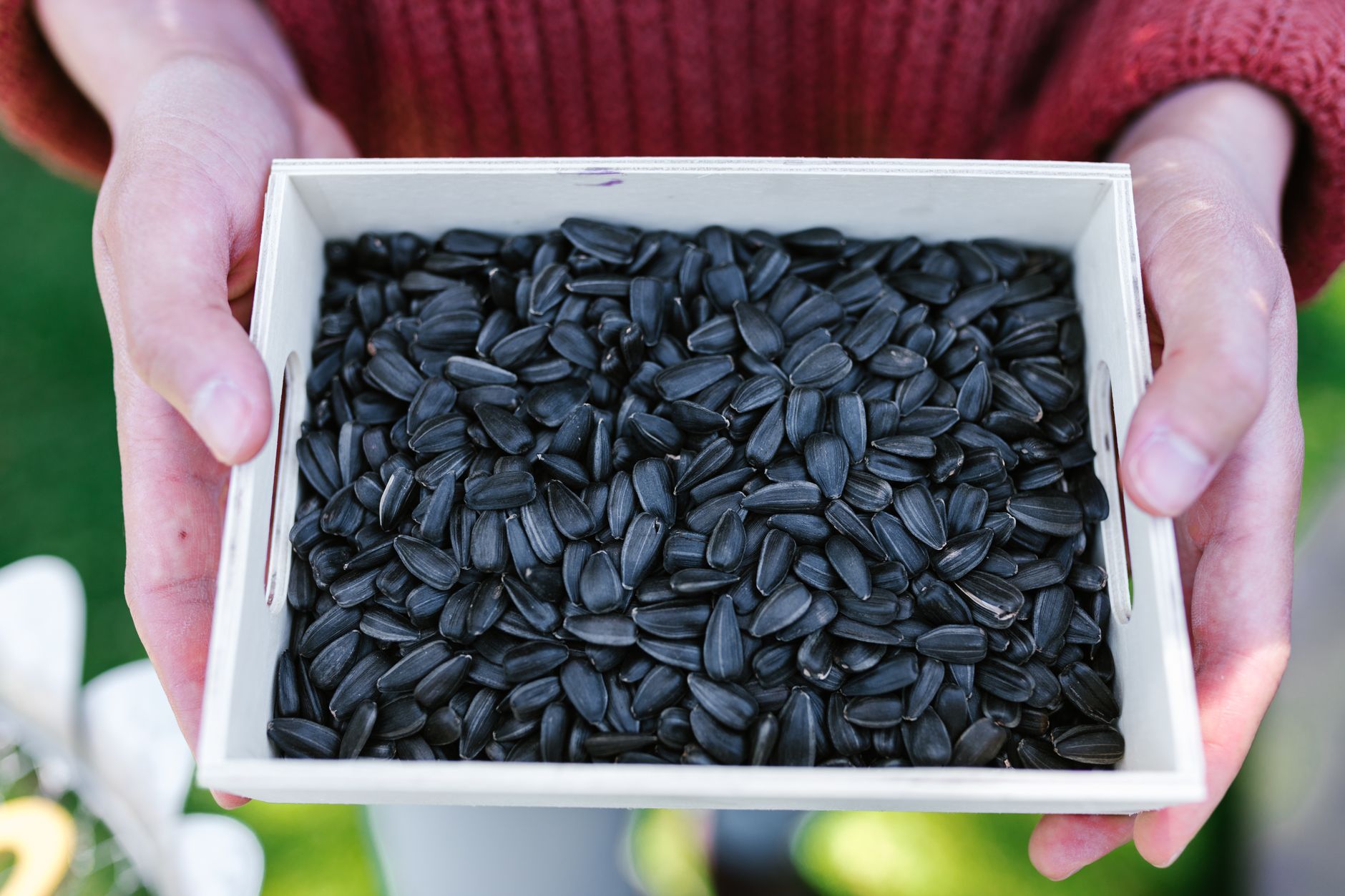
If you grow sunflower in Kenya, you already know that the price you get for your harvest can feel like a lottery. One season a trader pays well, and the next he shows up at your gate with a figure that barely covers your inputs. This post explains why that happens, how a contract farming agreement changes the equation, and what fair pricing actually looks like for sunflower farmers across Narok, Bungoma, Busia, Tharaka Nithi, Embu, and beyond.
Why Sunflower Prices Fluctuate in Kenya's Open Market
How global oil prices ripple down to the farm gate
Sunflower is primarily grown for oil, and the price that processors are willing to pay Kenyan farmers tracks international vegetable oil markets more closely than most farmers realise. When global palm or soy oil prices drop, Kenyan processors face pressure from cheaper imported alternatives, and they pass that pressure straight down to sunflower producers. You planted your crop based on the price you heard at the beginning of the season, but by the time you harvest, the processor's appetite has changed. That disconnect between planting-time expectations and harvest-time reality is one of the most consistent sources of income loss for smallholder farmers. Understanding this link is the first step toward protecting yourself from it.
Seasonal supply gluts that push prices down
Kenya's sunflower calendar means that many farmers across the Rift Valley and Western regions finish their main-season harvest within the same six to eight week window. When large volumes arrive at the market simultaneously, traders know they hold all the leverage. Prices that looked reasonable in August can fall by twenty to thirty percent simply because every farmer in the county is trying to sell at the same time. Storing your crop to wait for better prices is possible, but post-harvest losses, the cost of storage, and the urgent need for cash after a season of spending make it a difficult strategy for most households. The seasonal glut is a structural problem, not bad luck.
Middlemen who capture the margins you earned
The typical sunflower sales chain in Kenya involves at least two intermediaries between the farmer and the processor, and each one takes a cut. A village-level trader buys from you at a low price, aggregates volumes, and sells to a larger broker who then negotiates with the processor. By the time sunflower reaches the factory, its value has increased considerably, but almost none of that increase flows back to the person who planted and tended the crop. This is not a criticism of traders as individuals; it is simply a structural feature of an unorganised market. Removing those layers is the most direct way to put more money in the farmer's pocket.
Weather and production cycles create unpredictable supply
Erratic rainfall across different counties means that supply volumes are never uniform from season to season. A dry spell in Tharaka Nithi that reduces yields there can coincide with a bumper crop in Bungoma, and the net national volume still overwhelms buyers who have fixed processing capacity. Farmers in a good-rainfall zone end up being penalised by oversupply even when they managed their farms well. Weather-driven uncertainty also makes it difficult to plan inputs and labour costs, because you never know whether your investment will be rewarded with a decent price. A price guarantee does not control the weather, but it separates your income from the volume swings that weather causes.
How Contract Farming Locks in Your Price Before Planting
Signing before the first rains, not after the last harvest
The most important feature of a contract farming agreement is that the price discussion happens before you commit a single shilling to seeds or fertiliser. At Sunflower Africa, the agreed price per kilogram is written into your contract before the planting season begins, giving you a firm number to build your farm budget around. That reverses the normal dynamic, where farmers take all the production risk and then negotiate from a weak position once harvest is piling up in the store. Knowing your guaranteed floor price before planting lets you calculate whether you need additional inputs, whether to expand your acreage, or whether to allocate family labour differently. It turns farming into a business decision rather than a gamble.
How a locked-in price compares to waiting for market rates
Consider the difference between planting with a confirmed price of, say, KES 40 per kilogram and planting with no agreement in place. The farmer with no contract might achieve KES 45 in a good market year, but they might also get KES 28 in a bad one, and they have no way to know which outcome they are facing at planting time. The farmer with a contract knows their minimum return and can plan accordingly. Over five seasons, the consistency of a contract price almost always outperforms the average of unpredictable open market rates, because the bad years are fully absorbed by the guarantee rather than wiping out gains from the good years. Stability and predictability have real financial value, even when the contracted price is not the highest single-season figure.
Protection during the bulk harvest crunch
The months when most Kenyan sunflower farmers are harvesting are exactly when open market prices hit their lowest point. A contract agreement insulates you from that dynamic because the buyer is already committed before they even know what the harvest season looks like nationwide. Your price does not change because your neighbour's farm also had a good season. This protection is especially valuable for farmers in high-production zones like Bungoma and Busia, where aggregate county volumes can move market prices significantly. A guaranteed off-take means your income is determined by your own yield, not by everyone else's.
Multi-season contracts that help you plan further ahead
A single-season agreement is useful, but a multi-season contract relationship gives farmers a longer planning horizon. When you know that the same buyer will return next season at a price that reflects real input costs and fair margins, you can invest in soil health, irrigation improvements, or better equipment with more confidence. Multi-season contracts also reduce the time you spend each year looking for buyers, which has a real cost in transport, phone calls, and waiting. Sunflower Africa designs its agreements with repeat partnerships in mind, so each season you renew, both sides already understand the quality expectations and logistics involved. That familiarity itself saves time and money.
Real Price Examples: Contract vs. Open Market Sales
What open market prices look like across Kenyan sunflower counties
In counties like Narok, Embu, and Tharaka Nithi, open market sunflower prices during peak harvest have ranged from as low as KES 25 per kilogram to around KES 42 per kilogram in high-demand periods, with most farmers landing somewhere in the lower half of that range because they sell when they must rather than when the market is favourable. In Bungoma and Busia, where volumes are high, the lower end of that range is more common at harvest time. These are not unusual prices; they are the predictable result of unorganised supply meeting an organised buying system. When you compare these figures against the cost of certified seeds, fertiliser, and labour, the margin left for the household is often uncomfortably thin in a bad price year.
How certified seeds and quality grading improve your contract price
Certified sunflower seeds produce consistent oil content and seed size, and that consistency is exactly what processors need to run their facilities efficiently. When a farmer delivers a uniform, well-dried batch of sunflower produce that meets grading standards, the processor can offer a higher price with confidence because they are getting predictable raw material. Sunflower Africa supplies KEBS-certified seed varieties specifically chosen for Kenyan conditions, and our extension support helps farmers achieve the drying and cleaning standards that qualify for the top payment tier. The quality premium is not trivial; it can add several shillings per kilogram compared to mixed, ungraded produce sold to a roadside trader. Building quality into your production process is one of the highest-return investments you can make.
Cost savings from selling directly without middlemen
When a farmer sells through two intermediaries, each taking a margin, the effective price received can be fifteen to twenty-five percent lower than the processor's actual purchase price. On a two-acre farm producing 800 kilograms per season, that difference can mean KES 8,000 to KES 16,000 disappearing into the trading chain rather than reaching the household. Selling directly through a contract arrangement captures that margin for the farmer instead. The calculation is straightforward, and it does not depend on any unusual price movements. Removing layers from the supply chain is one of the few ways to increase farm income without changing anything about what happens in the field.
Income stability for repeat-contract farmers season to season
Farmers who have renewed their contracts with Sunflower Africa across multiple seasons consistently report that the ability to predict cash inflow changes how they manage their household finances. School fees, input purchases for the next season, and decisions about farm equipment all become easier to plan when you know approximately when payment arrives and at what price. That predictability has compounding benefits: farmers who plan better tend to plant on time, use inputs correctly, and deliver higher-quality produce, which in turn strengthens their position for the next contract renewal. Stability creates a positive cycle rather than the anxiety-driven cycle of the open market.
Beyond Price: What a Fair Contract Includes
Guaranteed market access so your harvest moves
The price in your contract is only valuable if someone actually shows up to buy your produce. A fair contract includes a guaranteed off-take commitment, meaning the buyer is obligated to purchase the agreed volume at the agreed price, not just encouraged to. Sunflower Africa operates collection points and coordinates logistics across our county network so that farmers in Embu, Tharaka Nithi, and other locations are not left with a full store and no buyer. This is particularly important for farmers in areas with limited transport infrastructure, where finding an alternative buyer at short notice is genuinely difficult. Knowing that your harvest has a confirmed destination reduces post-harvest anxiety and post-harvest losses significantly.
Extension support and inputs that lower your production costs
A contract that improves your revenue side is valuable, but a contract that also helps reduce your costs is even better. Sunflower Africa provides agronomic extension support as part of the farming partnership, covering planting schedules, spacing, pest management, and harvesting practices suited to each county's conditions. Access to certified inputs through the same channel reduces the risk of buying counterfeit seed or substandard fertiliser from informal markets. Lower input costs combined with better agronomic practice improve your yield per acre, and a higher yield at a guaranteed price multiplies your total seasonal income. The technical support is not an add-on; it is part of making the contract financially meaningful.
Quality standards that ensure you are paid fairly for what you deliver
Grading criteria can feel like a disadvantage to farmers when they are set arbitrarily by buyers who lower the standard after delivery to justify a price cut. A fair contract spells out exactly what moisture content, purity level, and seed condition qualify for each payment tier before you plant. When those standards are clear and applied consistently, you can manage your harvest and drying process to reliably achieve the best tier rather than finding out at delivery that your produce has been downgraded. Sunflower Africa communicates quality standards at the beginning of each season so there are no surprises at the weighbridge. Transparent grading is a form of price protection in itself.
On-time payment that keeps your farm finances flowing
Late payment is one of the most common complaints from contract farmers across Kenya, and it can undo much of the benefit of a good price agreement. If you deliver your produce in March but payment arrives in June, you may have missed the window to buy inputs for the next season at reasonable prices, or you may have taken an emergency loan at high interest in the meantime. Sunflower Africa's contracts specify payment timelines, and the multi-county office network means there is a local point of contact if any issue arises rather than a distant head office that is hard to reach. Reliable, on-time payment is as important as the price itself when you are managing a smallholder farm budget.
Getting Started with a Guaranteed Price Contract
Connecting with a Sunflower Africa office near you
The easiest way to begin is to visit or call the Sunflower Africa office in your county. We have offices in Narok, Bungoma, Busia, Tharaka Nithi, and Embu, and our field teams are also active in additional counties across Kenya. You do not need to travel far or navigate a complicated registration process; our local staff are familiar with the farming conditions in their specific areas and can give you relevant advice rather than generic information. If you are unsure which office covers your location, you can find contact details on our contact page. Starting the conversation early, well before the planting season, gives you the best chance of having a contract in place before your first input purchase.
What farmers need to bring to the first meeting
When you come in for an initial discussion, it helps to have a rough idea of your acreage, your county sub-location, and whether you have grown sunflower before or are starting fresh. You do not need formal land title documents to begin the process, but any records of previous yields or input costs you have will help the field officer give you a realistic income projection. The office team will walk you through the contract terms, explain the quality standards, and confirm seed availability and delivery timelines for your area. The goal of the first meeting is to make sure you have all the information you need to make a confident decision, not to pressure you into signing immediately.
Timeline from contract signing to seed delivery
The ideal sequence is to sign your contract four to six weeks before your target planting date so that certified seed can be confirmed and delivered in time. Rushing this process increases the chance that seed availability or logistics create a delay that pushes your planting past the optimal window for your county. Once the contract is signed, the Sunflower Africa team coordinates seed delivery to a convenient collection point near your farm. If you are in an area where planting windows are tight, such as parts of Tharaka Nithi with a shorter reliable rainfall period, communicating your planting date early is especially important. Planning ahead is the single biggest thing you can do to start a contract season well.
How renewals and price adjustments work in later seasons
When a contract season ends and you deliver your produce, the renewal process for the following season begins with a review of that season's performance, yours and ours. Input costs, oil market trends, and your yield data all inform the price discussion for the next agreement, and both sides have a chance to raise any issues before signing again. Farmers who have built a track record of delivering quality produce consistently are in a stronger position during renewal discussions, which is another reason why agronomic support during the season matters. Sunflower Africa aims to maintain pricing that reflects genuine market conditions and allows farmers to cover costs and earn a fair margin, season after season. Learn more about our contract farming services to see what a long-term partnership looks like in practice.
Sunflower prices in Kenya's open market will always move, and not always in your favour. A well-structured contract agreement does not eliminate uncertainty from farming, but it moves the price risk away from you and toward a buyer who is better positioned to absorb it. Whether you farm in Narok, Embu, Bungoma, Busia, Tharaka Nithi, or another sunflower-growing county, the conversation about your next season's price should happen before you plant, not after you harvest.
See everything Sunflower Africa can do for you.
Visit Sunflower Africa →