Sunflower Seed Quality: Why Certified Seeds Deliver Higher Profits
Certified sunflower seeds undergo rigorous testing for germination rates, purity, and disease screening by accredited bodies like Kenya's PHISC, ensuring 85%+ germination and traceability. Farmers using certified varieties in Kenya report yields of 1,200–1,800 kg/acre versus 600–900 kg with uncertified seeds, delivering significantly higher profits through consistent performance and reduced input waste.
See everything Sunflower Africa can do for you.
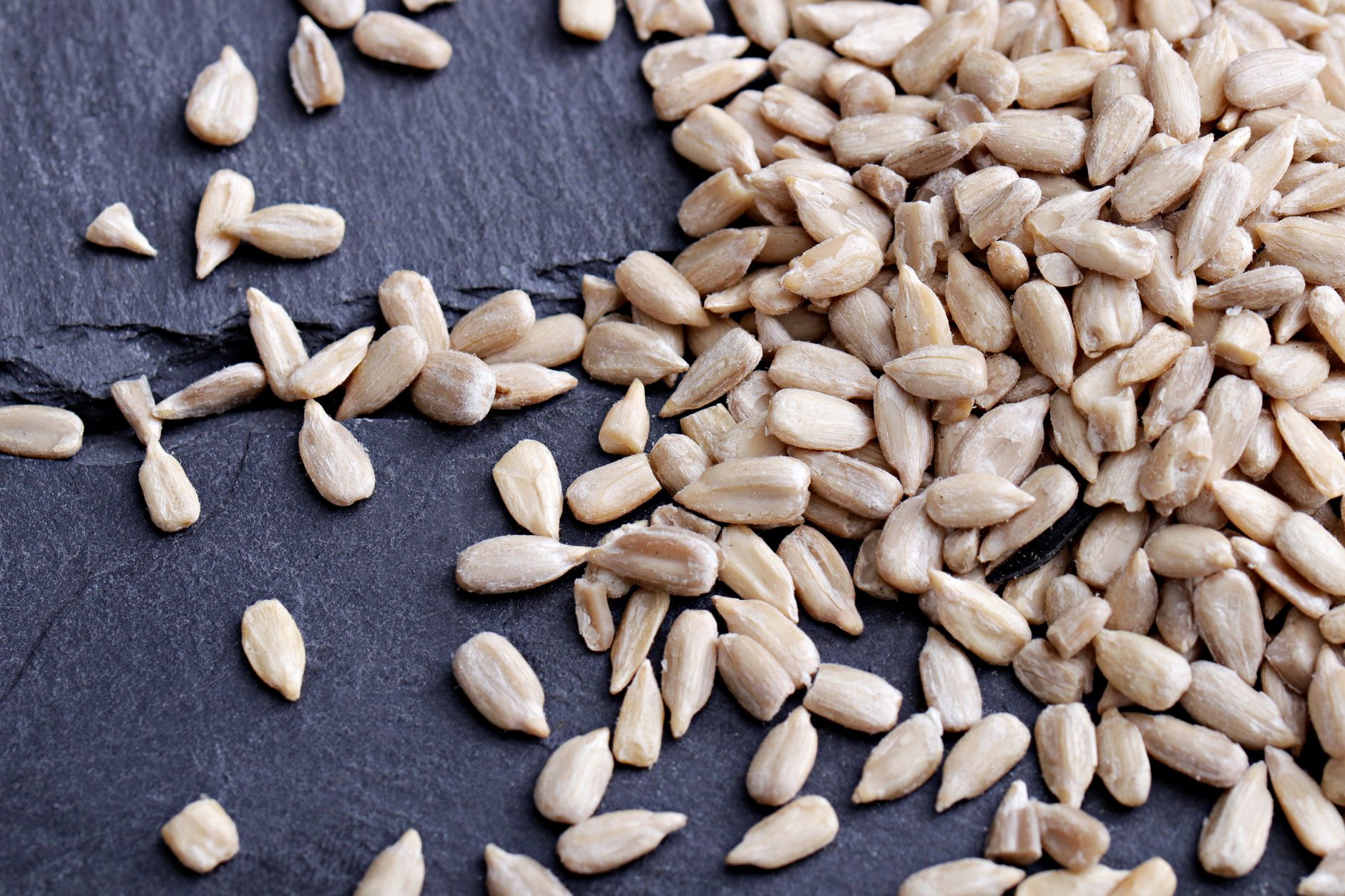
If you have ever bought sunflower seeds from a local agro-dealer and ended up with a patchy, thin crop, you already understand why seed quality matters more than almost any other decision you make at the start of a season. The seed is where your profit is either locked in or lost, and every other input you spend money on, whether fertiliser, irrigation water, or labour, is working on top of that foundation. Poor seed quality is not always visible at the point of purchase, which makes it a particularly costly mistake to discover weeks into a growing season. Understanding what certified seeds actually are and what they protect you from can be the difference between a season that pays well and one that barely breaks even.
What Makes a Sunflower Seed Certified
Certification is not simply a label that a seller prints at will. Before a seed lot earns certified status, it goes through official testing by an accredited body, in Kenya that is typically the Kenya Plant Health Inspectorate Service, which checks purity levels, germination rates, and whether the genetic traits match the registered variety. A seed that tests below the minimum germination threshold, usually around 85 percent for quality sunflower varieties, does not pass. The process is repeated across multiple growing seasons before a variety reaches commercial release, so the performance data behind a certified bag is substantial. This rigour means that when you open a certified bag, you know what you are actually planting.
Disease screening is another step that sits at the heart of the certification process. Sunflower crops face serious threats from seed-borne pathogens such as Sclerotinia, downy mildew, and Alternaria, all of which can travel invisible inside an uncertified seed. Testing intercepts contaminated batches before they ever reach a field, removing the risk at the cheapest point in the chain. A farmer who skips this protection is essentially rolling the dice on whether a disease arrives in the bag. The consequences of losing that gamble mid-season, after weeks of inputs have already been committed, are far more expensive than the cost of certified seed ever could be.
Traceability is a feature of certified seed that growers sometimes overlook but buyers rarely do. Every certified lot can be traced from the original breeder, through the seed multiplier, to the bag you plant, creating a clear chain of accountability. If anything goes wrong, there is a record and a point of responsibility. That accountability allows processors, cooperatives, and formal buyers to trust the quality of what they are purchasing. It is largely absent when seeds change hands informally through unregistered channels, which is one reason formal buyers increasingly ask where seed originated before they agree on a price.
Uncertified seeds carry risks that only become visible after you have already committed your land and your season to them. The seeds may be a mixture of varieties with different maturity periods, which makes uniform harvesting almost impossible. Germination rates could be anywhere, sometimes as low as 40 or 50 percent, meaning nearly half your planting space produces nothing. The gaps in a poorly germinated field attract weeds, waste applied fertiliser, and make accurate yield forecasting unreliable. The apparent saving at the point of purchase disappears quickly once you factor in the gaps, the replanting costs, and the reduced output at the end of the season.
Yield Differences: Certified vs Uncertified Seeds
Farmers across Narok, Bungoma, and Tharaka Nithi who have switched from informal seed sources to certified varieties consistently report meaningful increases in yield per acre. Documented comparisons from contract farming programmes in western and central Kenya show certified sunflower varieties producing between 1,200 and 1,800 kilograms per acre under reasonable management, while uncertified seed on similar soils often delivers 600 to 900 kilograms at best. Those numbers are not abstract: they translate directly into what you earn at the end of the season. A farmer on two acres who doubles their yield per acre effectively gains a third productive acre without any additional land cost. That kind of return from a single upstream decision is difficult to replicate anywhere else in the production budget.
Germination rate is the first place the gap appears, and it compounds from there. A certified seed at 85 percent germination on an acre planted at recommended spacing gives you close to the intended plant population. Poor germination means empty spots in the rows, and each empty spot is ground that received rainfall, any applied fertiliser, and tillage labour without returning anything. A thin plant population also allows weed pressure to build faster, adding yet another cost to an already underperforming crop. By the time harvest arrives, the yield shortfall from a bad germination rate has been amplified by every subsequent input that was wasted on bare ground.
Consistency across seasons is one of the most financially important advantages of staying with certified stock. Because the genetics are uniform and documented, you can plan your rotations, your labour calendar, and your marketing with reasonable confidence that this season will look similar to the last. Farmers who source seeds informally often find wide swings in performance from one season to the next, which makes planning, budgeting, and securing forward contracts very difficult. A buyer who agrees to purchase your harvest in advance needs to trust that you will deliver a predictable volume and quality. Certified seed is a large part of what makes that trust possible.
Poor germination does more than reduce your plant count. It wastes the water your soil holds from early rains, it allows compaction and weed encroachment in bare patches, and it forces you to decide mid-season whether to gap-fill with more seed and more cost or simply accept the loss. That mid-season scramble is where a lot of working capital disappears, pulling money away from other inputs or household needs. Replanting is rarely as effective as a well-established stand from the first planting, because the later-emerging plants never fully catch up with the crop's growth stage. Farmers who have experienced this cycle more than once tend to agree that the cheapest version of the season is one where certified seed performed as expected from day one.
Disease and Pest Risks with Uncertified Seeds
Sclerotinia stem rot, downy mildew, and certain bacterial wilts are among the seed-borne diseases that certified testing is specifically designed to screen out before a bad batch reaches the field. These diseases do not always show up at germination. Sometimes a crop looks healthy for weeks and then collapses as it approaches flowering, which is the worst possible moment for a loss. Certified testing interrupts the chain of infection at the seed stage, where it is cheapest and most effective to do so. No post-emergence spray or management practice can fully compensate for planting seed that was already carrying a pathogen into the soil.
The financial cost of a mid-season disease outbreak is far larger than most farmers calculate in advance. When a disease sweeps a field after six to eight weeks of growth, you have already paid for land preparation, planting, two or three rounds of weeding, and possibly a fertiliser application. All of that expenditure is gone, and it cannot be recovered regardless of what you do next. You are then faced with the decision of whether to replant, which costs money again, or to walk away from the season entirely. Neither option recovers what was already spent, which is why prevention at the seed selection stage is so much more valuable than any response available after the crop has failed.
Quarantine and containment after a serious soil-borne disease outbreak can be expensive and time-consuming. Some pathogens, once established, require you to rest the affected piece of land from sunflower or related crops for several seasons to reduce inoculum levels. That lost productivity over following seasons is a hidden cost of a single bad seed decision that rarely appears in anyone's simple cost comparison between certified and uncertified bags. If your farm is small and that resting land represents a significant portion of your total area, the impact on your household income over two or three seasons can be severe. The true cost of an uncertified seed gamble often stretches far beyond the season in which it was planted.
Repeated use of uncertified seeds, particularly if those seeds carry pathogens, builds up disease pressure in the soil over time. Farmers in parts of western Kenya who rotated sunflower on the same fields using informal seed for several consecutive years have reported rising rates of Sclerotinia damage precisely because the source of infection kept arriving fresh each season. Breaking that cycle requires clean seed and often a break from the crop, both of which represent real costs that could have been avoided. The clean-seed principle is simple: if the pathogen never arrives in your field, it cannot establish. Certified screening is the most reliable mechanism for keeping that arrival from happening in the first place.
True Cost: Price per Unit vs Cost per Kilogram Harvested
The seed price you see on the bag is only one number in the actual cost calculation, and it is not the most important one. A certified bag that costs more per kilogram of seed but gives you 1,500 kilograms of output per acre delivers a much lower cost per kilogram harvested than a cheaper bag that produces 700 kilograms. Dividing your total seasonal cost, including seed, fertiliser, labour, and land preparation, by your final harvest weight gives you the real cost of production. When you run that calculation honestly, certified seed almost always wins by a significant margin. Farmers who have done this comparison for two or three consecutive seasons rarely return to informal sources.
Healthy plants grown from certified seed use water and fertiliser more efficiently because they establish faster, cover the ground more completely, and suffer fewer check-backs from disease stress. When a crop is growing uniformly and vigorously, the applied nutrients go into productive biomass rather than being lost to leaching or taken up by weeds filling empty spaces. Labour costs also drop because a well-established stand needs less gap-filling, less extra weeding, and fewer emergency interventions. Over the course of a full season, these savings accumulate into a meaningful reduction in the total cost of production. That reduction widens the margin between what you spent and what you earn at the buying point.
There is also an insurance dimension to certified seed that is easy to dismiss until a difficult season arrives. In a year with erratic rainfall or unusual pest pressure, a genetically consistent, disease-screened variety is more likely to give you a harvest that at least covers your costs than an unknown seed with no documented performance history. That floor-level reliability has real financial value, especially for a farmer managing cash flow tightly across the year. When rainfall is short, a crop with documented drought tolerance in its variety description performs more predictably than one whose origins are unknown. The security of knowing what your seed is designed to do under stress is worth paying for.
Calculating the payback on certified seed is straightforward if you track your numbers. Take the difference in seed cost between certified and informal options, add any extra inputs you spend on certified seed management, and then compare that total against the additional revenue from the higher yield. In most cases on Kenyan sunflower farms, the payback arrives within the first harvest. Every subsequent season at the same yield level is pure gain from that initial quality decision, compounding year after year as your farm builds a track record of consistent, documentable output.
Why Buyers Prefer Sunflower from Certified Seed Farms
Oil processors and large traders in Kenya are not simply buying any sunflower that arrives at the gate. They are buying predictable oil content, consistent seed size, and a supply they can count on in volume. Certified seed varieties have documented oil content percentages, which means a processor knows roughly what yield of oil they will get from a tonne of your produce. Sunflower grown from unverified seed can vary enormously in oil content, which creates uncertainty that buyers price into their offers or avoid altogether. Arriving at the buying point with produce from a known, documented variety removes that uncertainty and puts you in a stronger negotiating position.
Quality premiums are real and they are accessible to farmers who can demonstrate that their crop came from certified seed under documented management. Some buyers operating formal offtake agreements, including cooperatives and processors working through contract farming arrangements, pay above the open market price precisely because they trust the quality and consistency they are receiving. That price difference, even a few shillings per kilogram, adds up substantially across an acre or several acres of produce. A farmer receiving a ten-shilling premium per kilogram on 1,500 kilograms per acre earns 15,000 shillings more per acre than a neighbour selling the same crop at the base price. Over multiple acres and seasons, that differential is a powerful argument for starting with the right seed.
Rejection rates at the point of sale are a significant financial risk that many farmers underestimate until it happens to them. A consignment rejected for moisture content, foreign matter, or off-type seed is either sent back at the farmer's cost or bought at a steep discount. Produce from certified varieties managed under good agronomic practice arrives at the buying point with far fewer of the characteristics that trigger rejection. That means the price you expected when you planted is the price you actually receive when you sell. The predictability of that transaction is something that farmers who have experienced a rejection rarely take for granted again.
For farmers interested in reaching premium buyers, export markets, or processor contracts that require traceability documentation, being able to show that your crop originated from certified seed is often a minimum requirement for entry. As formal agricultural value chains in Kenya mature, this kind of documentation is becoming a condition of participation rather than an optional extra. Starting with certified seed positions a farmer well ahead of that requirement, and it builds the kind of track record that opens doors to better contracts over time. The investment in documentation and quality pays forward into every subsequent season, not just the current one.
How to Source Certified Seeds in Kenya
Sourcing certified sunflower seed across Kenya has become more accessible as suppliers with established networks have expanded their presence into counties like Narok, Bungoma, Busia, Embu, and Tharaka Nithi, which are among the most productive sunflower-growing regions in the country. Sunflower Africa works directly with farmers in these counties and others, supplying certified seed as part of contract farming agreements that also cover market access and technical guidance. Having a supplier present in your county rather than at a distant distribution point makes it easier to ask questions, resolve problems, and receive seed on time. Early contact with a local field officer also gives you access to variety recommendations suited to your specific agro-ecological zone. That localised guidance is something a distant agro-dealer cannot easily provide.
Once you have sourced certified seed, how you store it until planting day matters enormously. Seed should be kept in a cool, dry place with good ventilation, away from direct sunlight and off bare concrete floors. Moisture is the fastest way to damage germination potential, so a raised wooden surface or pallets inside a shaded store makes a practical difference. Even a few days of poor storage in a hot, damp environment can reduce germination rates below the level you paid for. Even the best certified seed performs below its potential if it has been stored badly for weeks before it goes into the ground.
Season timing is something worth planning around, not just for the seeds but for the entire production calendar. Certified seed availability can be constrained if many farmers in a region are planting at the same time, so early orders placed before the season begins protect you from shortages. At Sunflower Africa, we encourage farmers to confirm their seed requirements well ahead of the planting window so that allocation is secure and delivery reaches you before the optimal planting date has passed. A delayed planting caused by a late seed order can cost you two to three weeks of optimal growing conditions, which shows up directly in your final yield. Planning seed procurement as the first step in your season calendar, rather than the last, is one of the simplest ways to protect your harvest.
When you plant certified varieties through a contract farming arrangement, you also gain access to the agronomic advice that helps you realise the full potential of those seeds. Guidance on spacing, fertiliser timing, pest scouting, and harvest management is part of what Sunflower Africa's field teams provide across our county network. That ongoing support is part of why contract farmers consistently achieve better yields than those who plant certified seed without a technical support structure around them. Agronomic advice is most valuable when it is specific to your field conditions, your soil type, and your local weather patterns rather than generic. You can learn more about how our farmer support works on our services page.
Choosing certified sunflower seed is one of those decisions that looks like a cost at the moment you make it and reveals itself as an investment every time you compare your yield, your rejection rate, and your final payment to what you were achieving before. With direct relationships, guaranteed market access, and support from planting to sale, the path from certified seed to profitable harvest is a clear one. If you are ready to start that journey or simply want to understand your options better, Sunflower Africa's offices across Kenya are a practical first step.
See everything Sunflower Africa can do for you.
Visit Sunflower Africa →