Sunflower Seed Quality: Why Your Choice Matters for Harvest
Certified sunflower seed quality directly determines your harvest success and income. High germination rates (85%+ viability), genetic purity, disease-free status, and traceability distinguish certified seed from poor alternatives. Quality seed establishes uniformly, reduces production costs, suppresses weeds naturally, and performs reliably in Kenyan agro-climatic zones, making it essential for consistent yields.
See everything Sunflower Africa can do for you.
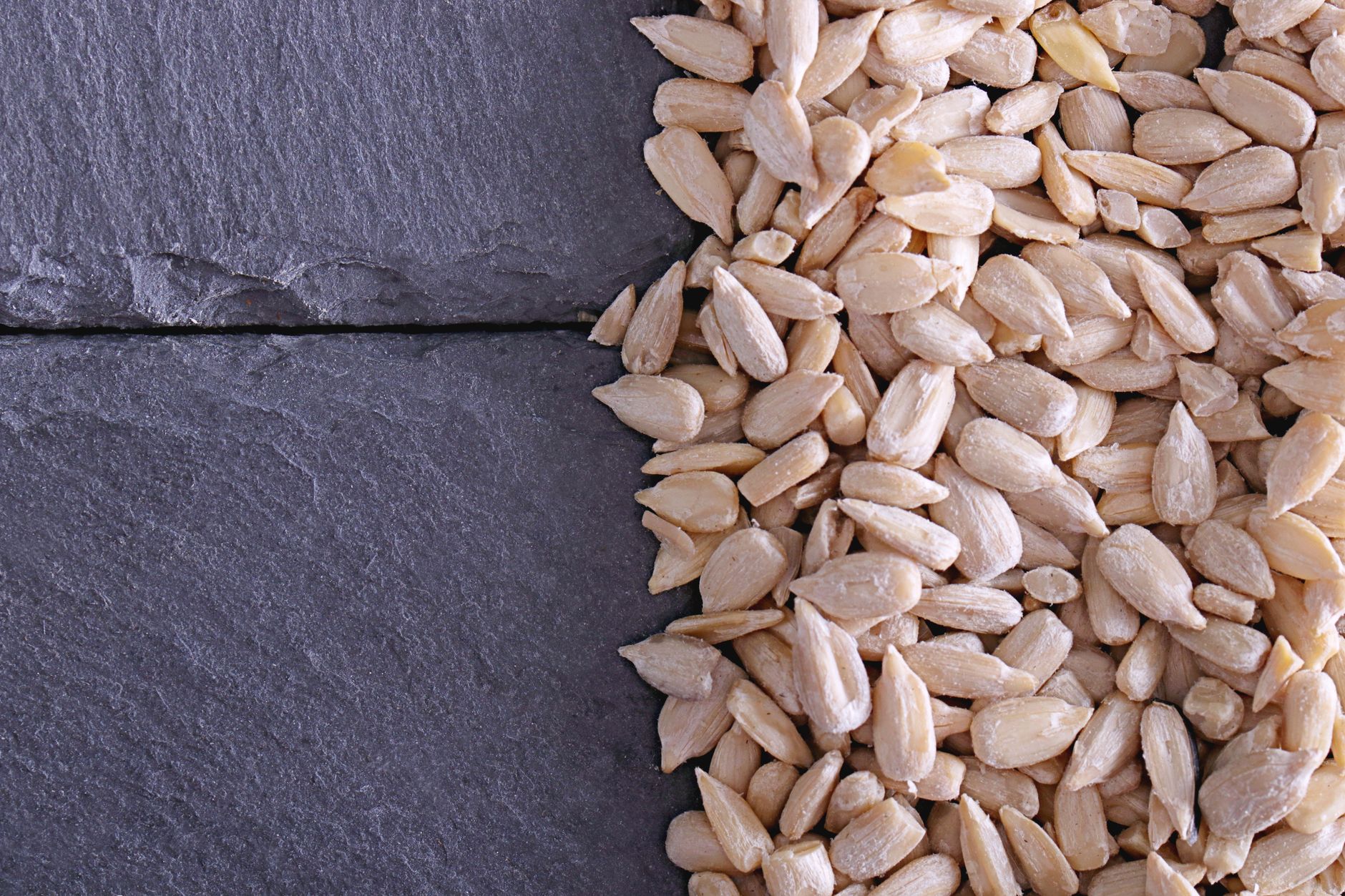
If you have ever planted a full acre of sunflower only to watch half the field emerge thin and uneven, you already know that the seed you start with shapes everything that follows. The quality of your sunflower seed is not just a planting detail. It is the foundation of your income for the entire season, and understanding what separates good seed from poor seed gives you real power over your harvest.
What Makes a Sunflower Seed Certified
Certified sunflower seed earns that label through a process, not just a sticker on the bag. Germination testing is the first gate, and reputable certifying bodies in Kenya require at least 85% viability before seed qualifies for sale. That figure is not arbitrary. It tells you that if you plant 100 seeds in prepared soil under reasonable conditions, at least 85 plants should emerge and establish themselves. Anything lower means you are gambling a portion of your input cost before you even start.
Genetic purity is what keeps your field uniform from one end to the other. When a variety is certified for purity, it means the seed traces back to a single, well-documented parent stock rather than a mixture of different lines. A field with consistent genetics matures at roughly the same time, reaches similar plant heights, and produces heads with comparable oil content. That uniformity is not cosmetic. It makes harvesting more efficient and the produce more attractive to buyers who pay for consistent quality.
Third-party testing adds a layer of protection that a farmer cannot easily replicate on their own. Accredited laboratories check seed batches for the presence of diseases, fungal contamination, and foreign matter before the seed ever reaches a packet. This step costs the producer time and money, which is one reason genuinely certified seed sometimes carries a higher upfront price than uncertified alternatives. That cost, however, is far smaller than the loss from a disease outbreak traced back to contaminated seed.
Traceability is the final marker of a certified seed, and it matters more than most farmers initially expect. Every certified batch carries documentation linking it to its origin variety and production season. If you purchase seed that lacks this paper trail, you have no way to know whether you are planting the variety printed on the label or a mix gathered from multiple sources. In Kenya's market, where counterfeits do circulate, that documentation is your first line of defence against being sold something that will not perform.
How Seed Quality Directly Affects Your Yield
The connection between seed quality and final harvest weight is direct, and the math is easier to follow than many farmers expect. A weak seedling starts behind its neighbours in the race for soil moisture and nutrients, and it rarely catches up. Fields planted with poor-quality seed tend to show a pattern where strong plants cluster near areas of higher soil fertility while the rest struggle, creating a patchwork harvest that is hard to manage and harder to sell uniformly.
High germination rates cut your cost of production in a way that is easy to overlook. When seed germinates reliably, you spend less on replanting gaps, less on the labour to identify and fill those gaps, and less time waiting to see whether your stand will be adequate. A field that establishes uniformly in the first two weeks of planting also closes its canopy earlier, suppressing weeds naturally and reducing the need for additional weeding rounds. That saving compounds across the season.
Disease-free seed removes an entire category of risk before it enters your field. Sunflower rust and charcoal rot are both capable of causing significant yield loss when they are introduced through infected seed, because the pathogen is present from the moment of germination rather than arriving later from the environment. A certified batch that has been tested and cleared gives you a clean start. Controlling diseases that arrive through the air or soil is possible. Controlling a disease that was already in your seed is much harder.
Varieties bred and tested for Kenyan conditions perform differently from imported or uncertified lines that have not gone through local adaptation trials. Certified varieties recommended for specific agro-climatic zones in Kenya have been evaluated for performance under the rainfall patterns, temperatures, and soil types found in those regions. When you plant a certified variety matched to your county's growing conditions, the yield estimates on the seed label are based on data from environments similar to yours, not from overseas trials that may bear little resemblance to your farm.
Recognizing Low-Quality Seed Problems
Some seed quality problems announce themselves early in the season, and knowing what to look for saves you from making the same purchase twice. Uneven plant emergence across a field is one of the clearest early warning signs. When plants come up in scattered patches over a period of two to three weeks rather than together within a few days of each other, you are looking at seeds that had inconsistent viability from the start. Uneven emergence leads directly to uneven maturity, which means some heads will be ready to harvest while others are still filling, stretching your labour over a longer and more difficult window.
Weed contamination in cheaper, uncertified seed batches is a problem that many farmers discover only after planting. Some suppliers bulk up their product with seed swept from storage floors or dried alongside other crops, and that mixture brings weed seeds along with it. Those weeds germinate alongside your sunflowers and immediately compete for the same soil moisture, nitrogen, and light that your crop needs. The cost shows up as reduced plant vigour in the first six weeks, which is the period when sunflower plants are building the root systems that will support their heads.
Physical damage to seed coats during handling or storage is a sign of poor processing and storage practices at the supplier's end. Thin or cracked seed coats allow moisture to enter the seed and begin breaking down the embryo before planting. When you pour a bag of seed into your planter or hand, broken seed fragments and shrivelled kernels are visible indicators that the viable count in that bag is lower than the weight suggests. Buying damaged seed at a discount is rarely a saving because you are paying for weight that will not grow.
Uncertified varieties are a particular concern in dryland zones and areas with marginal or erratic rainfall, which describes a significant portion of Kenya's sunflower-growing regions. A variety that has not been tested under low-rainfall conditions may perform adequately in a good year but collapse in a season where the long rains are late or shorter than average. Certified varieties carry performance data across multiple seasons, giving you a clearer picture of what to expect when conditions are not ideal. That information is simply not available for uncertified seed.
Storage and Handling of Quality Seed
Certified seed that is stored poorly can lose its advantage before it ever enters the ground. Moisture is the primary enemy of stored seed, and germination rates drop sharply when seed is held in conditions where humidity allows moisture content to rise above 10%. In practical terms, this means keeping your seed in a room that feels dry to the touch, away from earth floors, leaking roofs, or the damp corners common in traditional storage structures. A few weeks of poor storage conditions can undo the careful testing your seed went through before packaging.
Pests and rodents cause damage that goes beyond the seeds they consume outright. Rodents gnaw through bags and disturb large quantities of seed while feeding on a small portion. Weevils and other grain insects puncture seed coats and lay eggs that continue developing in storage. Any of these infestations reduces your effective seed count and may introduce contamination that affects the seeds that look intact. Placing certified seed in a separate, secured area away from grain stores is a straightforward precaution that costs almost nothing.
Sealed containers offer protection that woven bags cannot, especially when seed will sit for longer than three months between purchase and planting. Airtight plastic or metal containers keep moisture levels stable and deny pests access. Label your containers clearly with the variety name and purchase date, because certified seed does have a shelf life and planting old seed even of high quality can produce disappointing results. The best habit is to buy seed as close to your planting window as your budget allows, so storage time is minimised.
Before the growing season opens, it is worth performing a simple germination check on any seed you plan to use, including certified seed you have stored from a previous purchase. Place 20 seeds on a damp cloth in a warm spot and count how many germinate after five to seven days. That quick count tells you whether your stored seed is still performing at the level you expect. If the number is significantly lower than the rate stated on your seed certificate, you have time to source a fresh batch before planting begins.
Why Farmer Networks Choose Certified Seeds
Farmers who work within organised networks and cooperatives consistently favour certified seed, and the reasons are practical rather than theoretical. Direct access to certified seed from a trusted source removes the extra cost added by traders who buy from distributors and resell at inflated prices. That cost reduction matters especially in seasons when input prices are already stretching household budgets. Knowing exactly where your seed came from also means you can ask specific questions about the variety and receive answers based on real documentation rather than a salesperson's word.
Buyers who purchase sunflower produce at scale pay attention to consistency, and certified varieties deliver that consistency season after season. When a guaranteed market partner knows that a farmer group is planting a certified, tested variety, they can predict oil content, moisture levels at harvest, and head size within a reasonable range. That predictability allows buyers to plan their processing or trading operations more efficiently, and it gives farmers a stronger negotiating position. Buyers who can rely on your produce will return to you before they look elsewhere.
Capacity building support from a seed provider who works closely with farmers turns the value of certified seed into something greater than the seed itself. Understanding when to plant for maximum head development, how to manage spacing for your specific variety, and how to recognise early signs of disease means you are using certified seed to its full potential rather than simply paying more for a bag. That knowledge, shared through farmer training and field visits, is part of what separates a seed supplier who is genuinely invested in your success from one who is focused only on selling bags.
Fair pricing on certified seed reflects the actual cost of testing, genetic maintenance, and quality control, not inflated margins added by traders who handle seed multiple times between producer and farmer. When you buy certified seed directly from a provider with a transparent pricing structure, you can compare the price against the documented germination rate, the variety's yield history in your region, and the support that comes with the purchase. That comparison almost always shows that the per-kilogram cost of certified seed is justified by the reduction in replanting costs, the improvement in yield uniformity, and the access to a reliable market for your harvest.
Choosing certified seed is not the most expensive decision you will make in a growing season. Choosing poorly and watching a large part of your field underperform is. Every input you apply to your crop, from fertiliser to labour to water management, performs better when the seed underneath it was selected, tested, and handled with care from the start. At Sunflower Africa, our commitment to working directly with farmers across counties including Narok, Bungoma, Busia, Tharaka Nithi, and Embu means we are here to help you make that starting choice well and to stand with you through every season that follows. Learn more about how we support farmers through our contract farming services.
See everything Sunflower Africa can do for you.
Visit Sunflower Africa →