Sunflower Seed Storage: Keep Quality High Until Planting
Good seed storage is one of those details that separates a strong harvest from a disappointing one. Many farmers focus on soil preparation and planting schedules, but the weeks or months between receiving certified seeds and putting them in the ground matter just as much. If your seeds degrade in storage, no amount of good field management will recover the yield you expected. This guide walks you through what you need to know to keep your sunflower seeds in top condition from the day you receive them until the moment they go into the soil.
Why Seed Storage Matters for Your Sunflower Yield
Certified sunflower seeds are bred and tested to meet specific germination standards, but those standards only hold if the seeds are handled correctly after purchase. Exposure to wrong conditions can reduce viability within weeks, meaning fewer seeds sprout and those that do may produce weaker plants. A drop in germination rate from 95 percent to 60 percent does not just mean thinner stands. It means uneven growth, patchy fields, and lower overall output per acre. The financial impact is real: you have already paid for those seeds, and poor storage quietly erodes that investment before planting season even begins. Protecting seed quality is not complicated, but it requires deliberate steps starting on day one.
Moisture and heat are the two conditions that damage sunflower seeds fastest. When seeds absorb humidity from the surrounding air, the internal moisture content rises and biological processes within the seed begin to break down stored energy reserves. Heat accelerates those same processes, so seeds stored in a warm, humid room deteriorate far more quickly than seeds stored in a cool, dry space. In the Kenyan highlands, temperature swings between morning and afternoon can be dramatic, and that daily variation introduces its own risks. Even seeds that look fine on the outside may have lost the internal vigour needed to push a seedling through the soil. Checking your storage conditions before you store seeds is far easier than discovering germination failures two weeks into planting season.
The Ideal Storage Environment for Sunflower Seeds
For seeds you plan to store beyond a few weeks, the target temperature range is between 10 and 15 degrees Celsius. In practical terms for most Kenyan counties, this means choosing the coolest room in your house or store, ideally one that does not receive afternoon sun through the walls or roof. Areas at higher elevation, such as parts of Tharaka Nithi and Embu, naturally stay cooler and are well suited to seed storage compared to the hotter lowland zones. If temperatures consistently exceed 20 degrees in your storage area, the seeds' useful storage life shortens considerably. Plan your storage location before you bring seeds home, not after they have already been sitting in a warm room for a week. Consistency matters more than perfection: a steady 18 degrees is better than a room that swings between 12 and 28 degrees daily.
Moisture content inside the seed itself should stay below 8 to 10 percent. You cannot measure this directly without lab equipment, but you can control it by keeping the surrounding air dry. Seeds placed in an open sack in a room where cooking or washing happens indoors will absorb that ambient moisture within days. A simple test is to shake a container of seeds: properly dry seeds rattle freely, while seeds that have absorbed moisture tend to clump or stick together slightly. Direct sunlight is an additional threat because it raises both temperature and humidity inside a container faster than most people expect. Store seeds away from windows, water storage tanks, and any area where the floor stays damp during the rainy season.
Containers and Packaging That Work
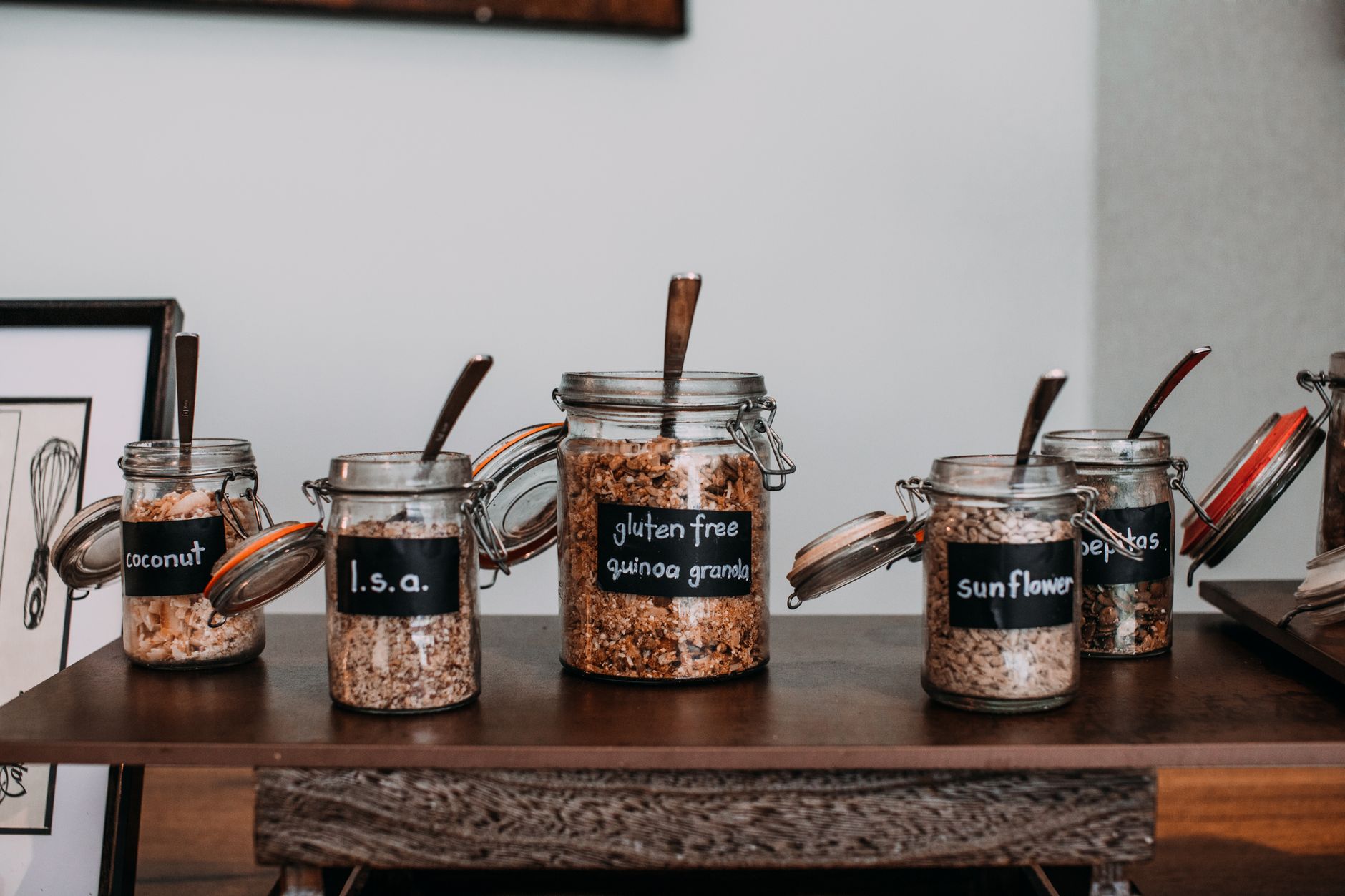
Sealed plastic or glass containers are the most reliable choice for keeping moisture away from your seeds over an extended period. Airtight lids prevent humid air from cycling in and out each time the temperature changes between day and night. If you are storing seeds from Sunflower Africa in their original packaging, check whether that packaging has been resealed or compromised since purchase, and transfer to a sealed container if there is any doubt. Glass jars with rubber-sealed lids work very well for smaller seed quantities, and rigid plastic containers with snap-shut lids are practical for larger volumes. The key requirement is that no air gap allows ambient moisture to enter. Avoid flexible plastic bags on their own, as they do not provide enough structural protection against compression or rodent access.
Paper bags alone are not sufficient for storage beyond a few weeks in Kenyan conditions. Paper breathes, which means humidity passes through it freely, and paper tears easily under the weight of stacked items or when rodents investigate. Many farmers receive seeds in branded paper or foil packaging that is designed for transport rather than multi-month storage. If your planting window is more than three weeks away from when you receive seeds, it is worth investing in a hard-sided container. Label every container clearly with the seed variety, the batch or season, and the date you put it into storage. This habit becomes especially useful when you are managing seeds for multiple plots or when you carry stock over from one season to plan the next.
Wherever you place the container, choose a shelf or raised surface rather than the floor. Floors are cooler but also more exposed to moisture wicking up from the ground, and they are the first place rodents travel. A lockable wooden box or a metal bin with a secure lid adds a second layer of protection in households where children or livestock might disturb storage areas. Keep seeds well away from fertiliser bags, pesticides, or fuel cans, as fumes from those products can affect seed viability even through sealed containers. A dedicated storage area, even a single shelf in a locked store, is a worthwhile arrangement if you are managing seeds across a full planting season.
Protecting Seeds from Pests and Mold
Rodents and insects are attracted to seeds year-round, and sunflower seeds are no exception. Mice and rats can chew through paper packaging and even thin plastic in a single night, so physical barriers matter. Beyond the damage to seeds themselves, rodent activity introduces droppings and contamination that accelerate mold growth. Keeping your storage area clean and free of spilled grain, chaff, or other food materials removes the broader attraction that draws pests into the space in the first place. If you store sunflower seeds in the same area as maize or bean stocks, organise them so each commodity is in its own sealed container rather than sharing open sacks. Regular sweeping and checking of the storage area once or twice a month takes very little time compared to the cost of replacing damaged seed.
Mold grows wherever moisture and organic material combine, and it can establish inside a seed container within days of conditions turning damp. The first signs are often a musty or sour smell when you open the container, followed by visible grey or white growth on the seeds themselves. Seeds showing any discoloration or unusual texture should be examined carefully because surface mold often indicates deeper moisture penetration that has already reduced viability. Do not mix suspected seeds back into a clean batch hoping the problem will not spread. Remove affected seeds entirely, dry out the container, and assess what remains before deciding whether the stock is still worth planting. Catching mold early, through monthly checks, gives you time to act before the entire stored quantity is affected.
Testing Seed Quality Before Planting
Running a germination test one to two weeks before you plan to plant is a simple practice that removes a lot of guesswork. Take a small sample of around 20 to 30 seeds from your stored batch, place them on a damp cloth or between two damp paper towels, and keep them in a warm spot away from direct sunlight. Check them daily over five to seven days and count how many sprout successfully. This process costs you almost nothing and gives you a clear picture of whether your stored seeds are still performing at the level you need. A germination rate of 80 percent or above is generally considered acceptable for planting. If the rate falls below that threshold, you will need to increase your seeding rate or replace the batch before committing an entire plot.
If your test results come back below 80 percent, contact your seed supplier before planting rather than hoping for the best in the field. Planting seeds with poor germination leads to thin, uneven crop stands that are harder to manage and produce significantly lower yields. At Sunflower Africa we work directly with farmers who are under contract with us to provide storage guidance before the season and to address quality concerns when they arise. If seeds supplied through us show unexpected viability issues, we want to know about it so we can help you find a solution before your planting window closes. Our team members based in counties including Narok, Bungoma, Busia, Tharaka Nithi, and Embu are available to assist with these questions in person. Reaching out early always gives more options than waiting until the problem has already affected a full season's planting.
Good storage practice is a short daily discipline that protects a significant seasonal investment. The steps covered here, choosing a cool dry location, using sealed containers, checking monthly for pests and mold, and testing before planting, are all achievable without specialised equipment or large expense. When your seeds arrive in certified, viable condition, your job is simply to keep them that way until the rains arrive and the soil is ready. If you have questions about the sunflower varieties we supply or the support available through sunflower buying program, our field teams are ready to help you prepare for a productive season.