Sunflower Storage and Post-Harvest Care in Kenya
Proper post-harvest handling directly impacts sunflower prices in Kenya. Seeds must reach 10% moisture content before bagging to prevent mold, pest damage, and buyer rejection. Farmers who invest in careful drying, testing, and clean storage earn significantly more per season and build reliable supplier relationships with fair-trade buyers.
See everything Sunflower Africa can do for you.
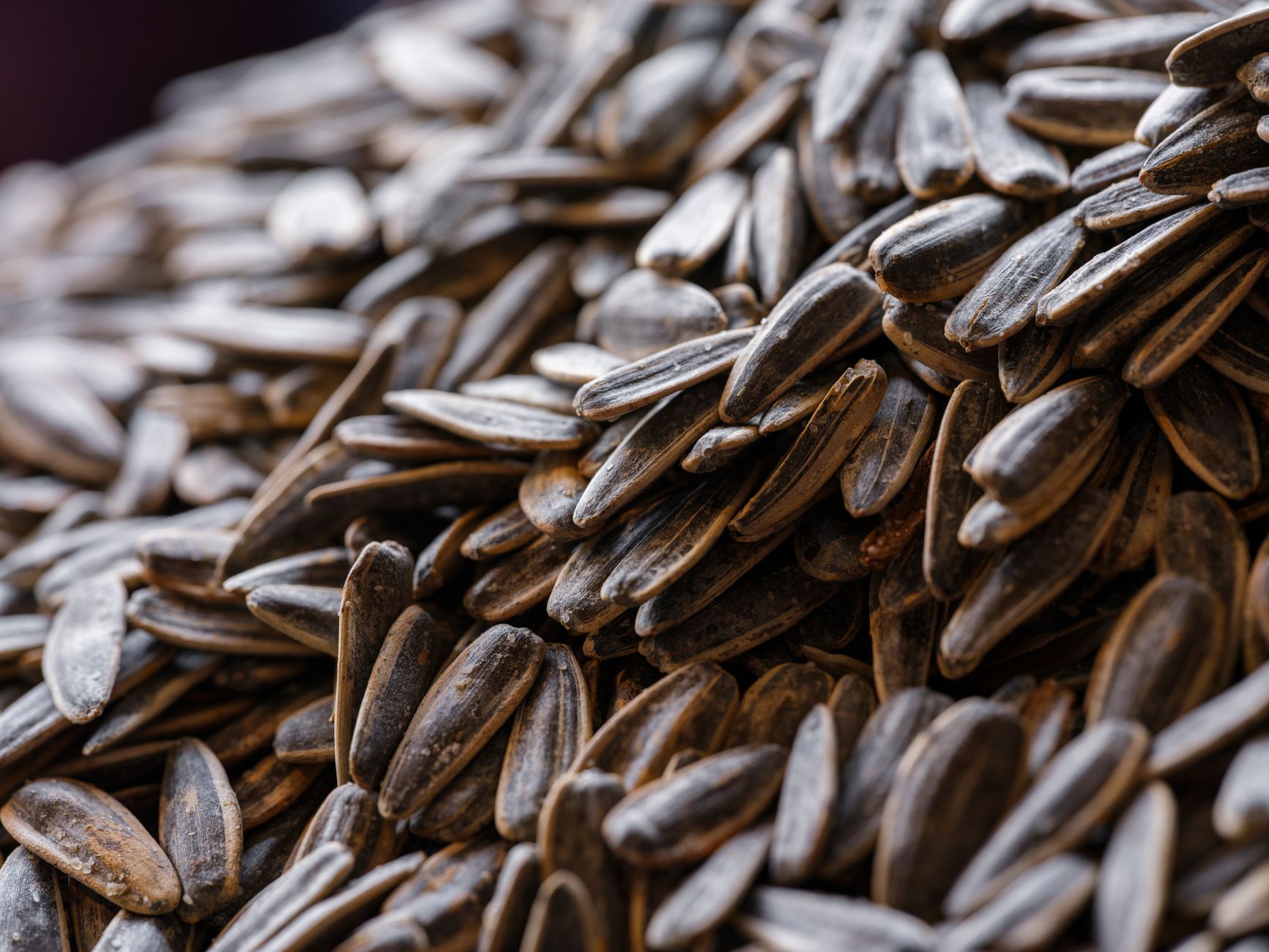
Post-harvest handling is one of the most overlooked steps in sunflower farming, yet it has a direct effect on the price you receive at the end of the season. Many farmers invest heavily in land preparation, certified seed, and inputs, then lose significant value because the stored seeds arrive at the market with high moisture or pest damage. Understanding what happens between harvest and sale is just as important as what happens in the field. This guide walks you through practical, proven steps to protect your crop from the moment you cut the heads to the day you deliver.
Why Post-Harvest Handling Determines Your Final Price
Poor storage is one of the leading reasons farmers receive less money than they expected for their sunflower crop. When seeds sit in damp conditions, mold grows quickly, and buyers will either reject the entire consignment or offer a sharply reduced price. Pest damage leaves visible holes and odors that are impossible to hide during quality inspection. Even a small percentage of contaminated seeds in a bag can disqualify the whole delivery. The difference between a well-handled crop and a poorly stored one can be several thousand shillings per bag.
Buyers who pay premium prices are looking for sunflower seeds that are clean, dry, and free from foreign material. At Sunflower Africa, our buying teams inspect incoming produce for moisture levels, cleanliness, and physical condition before accepting delivery. Seeds that meet the required standards move through quickly and earn the fair prices we have committed to under our contract farming agreements. Farmers who invest time in proper post-harvest care consistently earn more per season than those who rush to market with poorly prepared seed. That extra care before the sale is essentially free money waiting to be collected.
Moisture content above ten percent is a firm threshold that affects pricing at most buying points in Kenya. Seeds stored above this level are vulnerable to aflatoxin-producing molds, which create serious food safety concerns and cause buyers to reject entire batches. Reducing moisture to the correct level before bagging is not a complicated process, but it does require patience and a few days of careful drying. Farmers in humid counties such as Busia or Bungoma need to pay particularly close attention to this number, because ambient humidity can re-absorb into seeds that appeared dry. Getting this right protects both your income and your long-term relationship with buyers.
Harvesting and Initial Drying Steps
Timing your harvest correctly sets the foundation for good post-harvest quality. Cut sunflower heads when roughly seventy to eighty percent of the florets on the back of the head have turned brown and papery. Cutting too early means seeds are still filling and will shrink during drying, reducing your total weight and oil content. Cutting too late in wet weather increases the risk of mold starting before you even begin the drying process. Watching the heads carefully during the final two weeks before harvest is time well spent.
After cutting, leave the heads in the field or on a raised surface for two to three weeks of natural drying before you begin threshing. Choose dry weather for this step whenever possible, and avoid leaving heads directly on bare soil where they can absorb ground moisture. Stacking heads loosely allows air to circulate around them, which speeds the drying process considerably. If rain is expected, cover the heads with a breathable tarpaulin rather than plastic sheeting, which traps moisture. This field-drying phase is free and requires very little labor, yet it dramatically reduces the drying work you need to do later.
Threshing separates the seeds from the head material, and it can be done by hand beating or with a mechanical thresher where one is available. Mechanical threshers, sometimes accessible through farmer groups or county agricultural offices, save time and produce cleaner output than hand threshing alone. After threshing, spread the seeds thinly across clean tarps or raised drying beds so that air reaches every layer. Thick piles trap heat and moisture in the centre, which creates exactly the conditions that mold needs to take hold. A thin, even layer dries faster and more uniformly, which means less time spent on this stage overall.
Moisture Control: The Key to Long Storage
Reaching ten percent moisture content before you bag your seeds for sale is the single most important target in post-harvest sunflower handling. Seeds stored above this level will continue to respire, generating heat and moisture inside the bag, which feeds mold and reduces oil quality over time. Simple handheld moisture meters are available at most farm input stockists in towns like Narok, Embu, and Bungoma, and they cost a fraction of what a rejected consignment would lose you. Testing your seeds before bagging takes about five minutes and removes all guesswork from the process. If your seeds consistently arrive at buying points at or below ten percent, you build a reputation as a reliable supplier.
Sun drying is the most practical method for most smallholder farmers in Kenya, and it works very well when done correctly. Spread seeds in a single layer and stir or turn them every two to three hours so that the bottom layer receives the same exposure as the top. A useful field test is to press a seed firmly between your thumbnail and fingernail. If the seed shatters cleanly, it is close to the target moisture level. If it flattens or bends without breaking, it still contains too much moisture and needs more time in the sun.
Farmers in humid regions face an extra challenge because the air itself carries moisture that seeds can absorb, even after a good drying session. In counties with high ambient humidity, extending drying time by one to two additional days is a sensible precaution before final storage. Ventilated storage racks made from timber or wire mesh allow air to move around the seeds continuously, helping to maintain low moisture levels even in damp environments. Some farmer groups in Busia and Tharaka Nithi have built simple raised drying structures under corrugated iron shelters, combining protection from rain with continued airflow. Sharing infrastructure like this among neighboring farmers reduces costs while improving the quality of the entire group's output.
Storage Facilities and Containers
The container you use and the place you store your seeds in matter more than most farmers realize. Clean, dry woven polypropylene bags or sealed metal containers are both suitable options, provided they are free from previous residues and completely dry before seeds go in. Never store sunflower seeds directly on a concrete or earthen floor, because moisture travels upward from the ground and re-wets the bottom layers of your bags. Pallets, raised timber frames, or even thick layers of dry cardboard can break this contact effectively. This simple step alone prevents a large proportion of the moisture-related storage losses that farmers report.
Good ventilation in your storage space prevents condensation from forming on the walls and ceiling and dripping onto your seeds. A tightly sealed room with no airflow traps humidity, even if the seeds were dry when they went in. Small openings near the roofline and at low wall level, covered with fine wire mesh to block insects, create natural airflow without exposing seeds to rain or direct sunlight. Keep the storage area free from standing water, leaking roofs, and drainage problems before the season begins rather than discovering these faults when your seeds are already inside. A dry inspection of your storage room before harvest is a good habit.
Heat speeds up the breakdown of oils in sunflower seeds and encourages insect activity, so keeping stored seeds cool and shaded is important for maintaining quality over several weeks. Avoid storing seeds in direct sunlight or in metal containers left outside, as temperatures inside can rise dramatically on a warm afternoon. A shaded room or store built from brick, stone, or thick timber maintains a much more stable temperature than a thin metal structure. Inspecting stored seeds at least once a week allows you to catch early signs of heating, clumping, or unusual smell before the problem spreads through the whole batch. Catching problems early nearly always means you can still save the majority of the seed.
Pest and Disease Prevention During Storage
Insects are a persistent threat to stored sunflower seeds, and the best defense is preventing their entry in the first place. Weevils and grain beetles can enter through very small gaps in poorly tied bags or cracked containers, and once established, a single pair can produce thousands of offspring within weeks. Seal bags tightly and inspect the tops of containers regularly for any signs of insect activity. If you are storing seeds for more than two to three weeks before selling, consider hermetic bags, which deny insects the oxygen they need to survive. These are increasingly available through agro-input dealers in major market towns across Kenya.
Rodents cause significant losses in stored grain across Kenya, and sunflower seeds are no exception. Rats and mice are attracted by the smell of oil-rich seeds and will gnaw through woven bags with ease. Storing bags on raised platforms at least thirty centimeters above the floor makes access harder, and placing tight-fitting lids on any container removes the easy entry points rodents prefer. Check the walls and floor of your storage area for burrow holes before the season and seal them with concrete or packed stone. Combining these physical barriers with regular inspection is far more reliable than relying on poisons alone.
One often-overlooked risk is storing sunflower seeds in the same space as other grains, animal feeds, or fertilizers. Cross-contamination from stored maize or beans can introduce weevil populations that quickly move into your sunflower stock. Fertilizer or chemical odors can also transfer into seeds and affect buyer acceptance at the point of sale. If a separate dedicated space is not available, divide storage areas clearly with physical partitions and ensure that each commodity is in its own properly sealed containers. Buyers at professional buying points can detect unusual odors and will downgrade or reject a consignment on that basis alone.
Preparing Seeds for Sale to Buyers
A little cleaning work before delivery makes a real difference to the price and speed of your sale. Use a clean sieve or fine mesh to remove chaff, broken seed fragments, and any stones or soil particles that collected during threshing and drying. Buyers weigh and sample your seeds at the point of delivery, and foreign material adds weight that will be deducted while also raising questions about overall quality. Broken seeds spoil faster than whole ones and contribute to the moisture and mold risk in a mixed batch. Taking one hour to clean a consignment properly before bagging is consistently worth more than the time it takes.
Pack your seeds into food-grade woven bags that are clean and undamaged, and label each bag with the seed variety, the approximate harvest date, and your name or farmer registration number. This information matters to buyers because it enables traceability back to the source farm, which is increasingly important for commercial and export-linked buyers. Bags that arrive well-labeled and cleanly presented signal to buyers that the farmer behind them is organized and serious about quality. If you have tested your seeds with a moisture meter, note the reading and the test date on a simple piece of paper tucked inside the bag or attached to the outside. A moisture certificate, even a handwritten one from your own testing, builds trust and can speed up the transaction considerably.
When your seeds are clean, dry, and properly bagged, get in touch with Sunflower Africa as early as possible so we can schedule pickup or advise you on the nearest delivery point. Our team across counties including Narok, Bungoma, Busia, Tharaka Nithi, and Embu is ready to receive produce that meets our quality standards, and we work to keep the process straightforward for every farmer in our network. Early communication also helps us plan logistics efficiently, which means faster payment for you. You can learn more about how we work with farmers through our contract farming services. We are committed to fair pricing season after season, and proper post-harvest handling on your side is the part of the partnership that makes that possible.
Taking care of your sunflower crop after harvest is not complicated, but it does require consistency and attention to detail during the days and weeks between cutting and selling. Moisture control, clean storage, pest prevention, and careful packaging are steps that any farmer can follow with tools and materials already available in most parts of Kenya. Farmers who build these habits into their routine season after season earn better prices, face fewer rejections, and develop stronger long-term relationships with reliable buyers. If you have questions about quality standards or want to join our network, reach out to the Sunflower Africa office closest to you.
See everything Sunflower Africa can do for you.
Visit Sunflower Africa →